Singapore's Timeless Tales: A Cultural Odyssey Through Its Famous Historical Landmarks
As a seasoned traveler and a passionate storyteller for MLIFEON, I've always been drawn to destinations that seamlessly weave their past into the fabric of their present. Singapore, often celebrated a...
As a seasoned traveler and a passionate storyteller for MLIFEON, I've always been drawn to destinations that seamlessly weave their past into the fabric of their present. Singapore, often celebrated as a futuristic city-state, a dazzling hub of innovation and modernity, holds a captivating secret beneath its gleaming skyscrapers: a profound and vibrant history waiting to be discovered. It is a city that, for the culturally curious, offers far more than just sleek architecture and world-class shopping.
My journeys have repeatedly shown me that to truly understand a place, one must delve into its origins, walk its historical streets, and listen to the whispers of its ancient stones. Singapore's famous landmarks are not mere static monuments; they are living narratives, each telling a compelling chapter of the nation's remarkable evolution. Join me as we embark on an immersive journey, tracing the intricate tapestry of Singapore's heritage through its most iconic historical and cultural sites.
Tracing Singapore's Roots Through Its Landmarks
Singapore's history is a multi-layered chronicle, spanning from its origins as a humble fishing village and a crucial trading post of the Srivijayan empire, through its colonial past under the British, the tumultuous period of Japanese occupation, and finally, its miraculous emergence as an independent, thriving nation. Each era has left an indelible mark, shaping the city's unique identity. It is a story of resilience, adaptation, and an enduring spirit that is palpable in its historical sites.
For anyone who believes Singapore is solely a modern marvel, I urge you to look closer. Beneath the veneer of contemporary brilliance lies a profound respect for heritage, meticulously preserved in its buildings, temples, mosques, and even its vibrant streetscapes. The diverse cultural influences — Malay, Chinese, Indian, and European — are not just celebrated; they are intricately woven into the very architecture and traditions that define this island nation. These landmarks serve as powerful anchors, connecting a bustling present to a rich and complex past.
The journey through Singapore's historical landmarks is an intimate exploration of its soul, offering insights into the struggles and triumphs that have forged its identity. It is a chance to step back in time, to imagine the lives of those who walked these streets before us, and to appreciate the rich legacy they left behind. From grand colonial edifices to humble shophouses, each site contributes a vital piece to the captivating puzzle of Singapore's story.
The Civic District: Where Modernity Meets History
Stepping into Singapore's Civic District is like walking onto a grand historical stage where every building holds a dramatic tale. This area, nestled along the Singapore River, served as the administrative heart of British colonial Singapore and continues to be a crucial governmental and cultural hub today. It is a striking testament to the city-state's ability to preserve its heritage while embracing relentless progress, a juxtaposition I find utterly fascinating.
The wide, tree-lined boulevards and stately colonial buildings here evoke a sense of grandeur and a bygone era, yet they hum with the energy of a vibrant, modern metropolis. Here, one can witness the seamless blend of architectural styles, from Neoclassical to Victorian, all meticulously maintained and repurposed for contemporary use. The Civic District offers a profound sense of continuity, a bridge between Singapore's foundational past and its dynamic present.
This district is not just a collection of old buildings; it is an open-air museum, inviting you to wander and discover the origins of Singapore's governance, its legal system, and its cultural institutions. As I stroll through these magnificent grounds, I often imagine the significant historical events that unfolded here, from the signing of treaties to pivotal national declarations. It’s an area that truly encapsulates Singapore's journey from a colonial outpost to a sovereign nation.
Victoria Theatre and Concert Hall
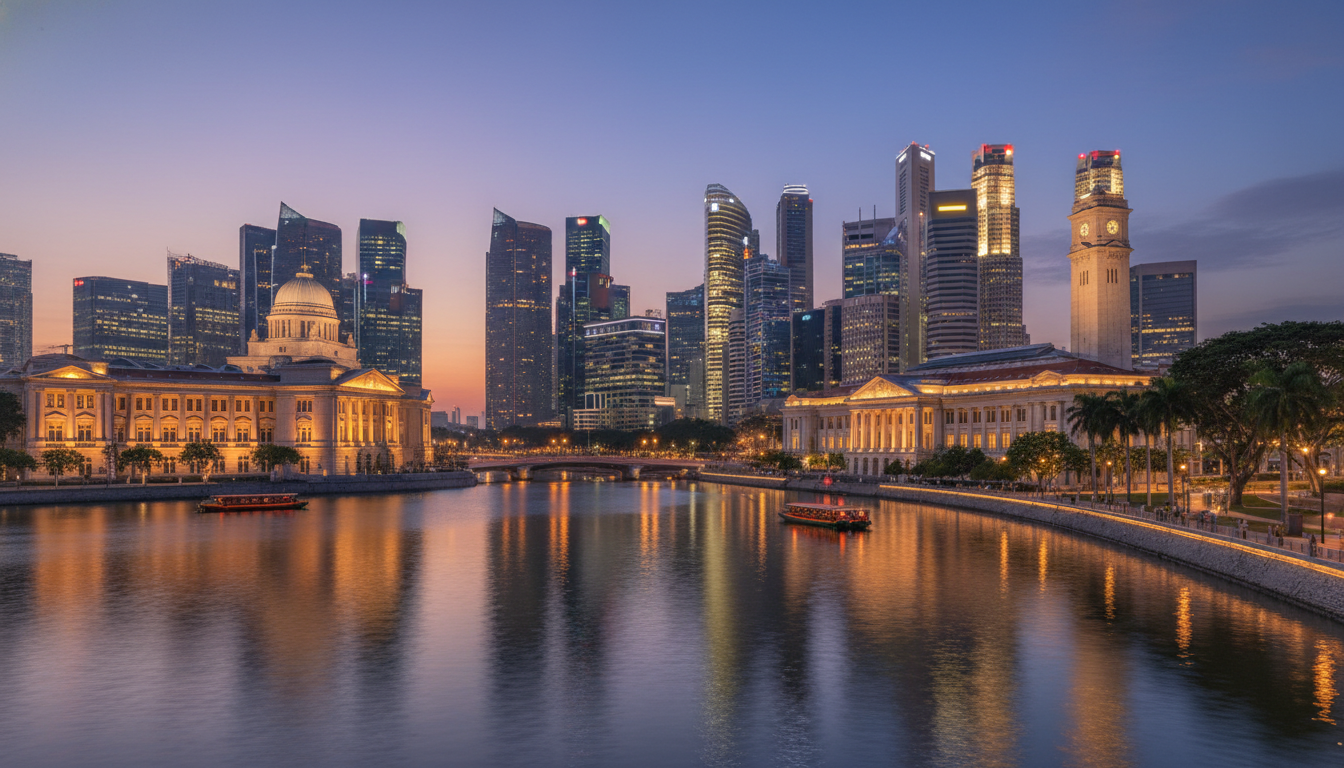
Among the many gems of the Civic District, the Victoria Theatre and Concert Hall stands out as a beacon of Singapore's cultural evolution. Originally built as the Town Hall in 1862 and later expanded with the Victoria Memorial Hall in 1905, this magnificent complex has long been at the very heart of the nation's artistic and political life. Its Victorian Neoclassical architecture, with its iconic clock tower, is instantly recognizable and deeply embedded in the city's visual identity.
I vividly recall attending a performance here, feeling the weight of history in the ornate halls and grand auditoriums. Beyond its aesthetic appeal, this landmark has played a pivotal role in Singapore's social fabric. It has hosted everything from political rallies and parliamentary sittings during the colonial era to world-class orchestral concerts and theatrical productions in the modern age. It truly has been a witness to Singapore's journey, adapting and evolving with the nation.
Following extensive renovations, the Victoria Theatre and Concert Hall reopened, beautifully restored to its former glory while incorporating state-of-the-art facilities. Today, it continues its legacy as a premier venue for the performing arts, symbolizing Singapore's enduring commitment to culture and artistic expression. Its enduring presence reminds us that even as cities grow and change, some institutions remain timeless anchors of identity and community.
St. Andrew’s Cathedral
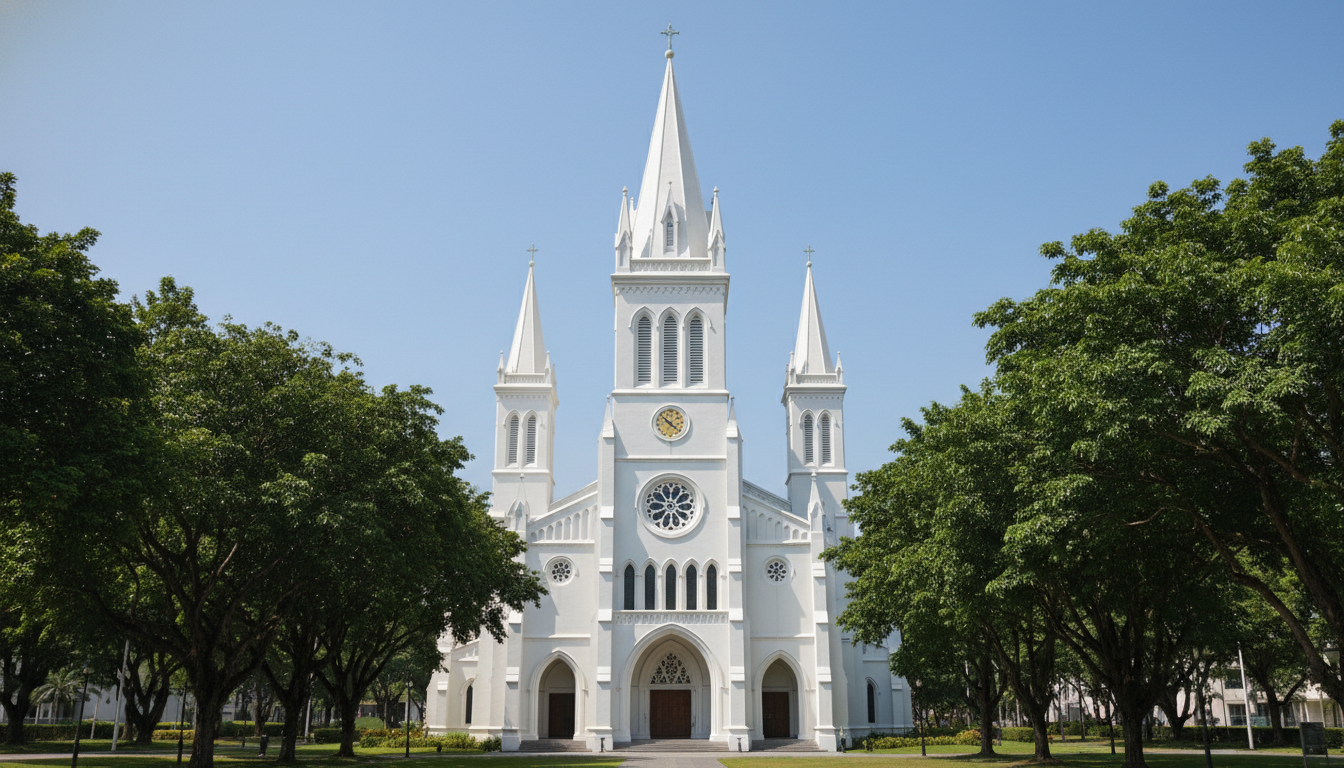
Just a short walk from the bustling heart of the Civic District, St. Andrew’s Cathedral offers a serene sanctuary and a majestic architectural spectacle. This pristine white Anglican cathedral, with its soaring spires and Gothic Revival design, is a striking contrast to the tropical greenery surrounding it. Its construction history is as fascinating as its appearance, having been rebuilt twice after lightning strikes damaged earlier structures.
The current cathedral, consecrated in 1862, was largely built by Indian convicts, a poignant detail that speaks volumes about Singapore's colonial past and the diverse communities involved in its development. Its exquisite pure white exterior, achieved through a technique using shell lime plaster (Madras Chunam), gives it a luminous quality that stands out against the city skyline. It is a place of profound peace, a haven of tranquility amidst Singapore's urban dynamism.
During one of my visits, I spent a quiet afternoon within its cool, hallowed walls, appreciating the intricate stained-glass windows and the hushed reverence of the space. St. Andrew’s Cathedral is not merely an architectural marvel; it is a vital spiritual center for Singapore's Anglican community and a powerful symbol of religious harmony in a multicultural society. Its enduring presence underscores the nation's rich spiritual tapestry and its respect for diverse faiths.
Heritage Shophouses in Katong and Joo Chiat
While the grand colonial buildings of the Civic District tell a story of institutional power, the vibrant heritage shophouses of Katong and Joo Chiat offer a more intimate, community-level glimpse into Singapore's past. These charming precincts, located in the eastern part of the island, are renowned for their beautifully preserved Peranakan shophouses, each a testament to a unique cultural fusion. Walking through these streets feels like stepping into a living, breathing museum, a truly immersive experience.
The Peranakan culture, a captivating blend of Malay and Chinese influences, is vividly expressed in the architecture, cuisine, and traditions of these areas. The shophouses themselves are architectural masterpieces, characterized by their intricate facades, ornate ceramic tiles, colourful motifs, and European-inspired windows. Each building tells a story of the families who lived and worked within its walls, adapting global influences to create something distinctly local and beautiful.
My personal explorations of Katong and Joo Chiat always involve indulging in the local culinary delights. The aroma of Nyonya laksa, the vibrant colors of kueh (traditional Peranakan cakes), and the unique flavors of Peranakan dishes are an integral part of understanding this heritage. These shophouses are not just relics; many still house bustling businesses, quaint cafes, and residences, ensuring that the spirit of the Peranakan community continues to thrive. It's a testament to Singapore's commitment to preserving not just structures, but entire cultural ecosystems.
Fort Canning Park: A Hill of History and Green Serenity
Rising majestically in the heart of Singapore, Fort Canning Park is far more than just a verdant green space; it is a hill steeped in centuries of history, a silent witness to the island's many transformations. Known as "Forbidden Hill" in ancient times, it was once the site of royal palaces for Malay kings of the 14th century, a place of spiritual significance and power long before the British arrived. The echoes of these early kingdoms still resonate within its ancient trees and pathways.
Under British colonial rule, the hill was transformed into a fort, complete with barracks, an armory, and a hospital, becoming a strategic military base. Sir Stamford Raffles, the founder of modern Singapore, also established his residence here, further cementing its importance. Today, visitors can explore various historical relics, including a spice garden reminiscent of Raffles' experimental plantation, ancient burial grounds, and even a Battlebox – a WWII underground command centre.
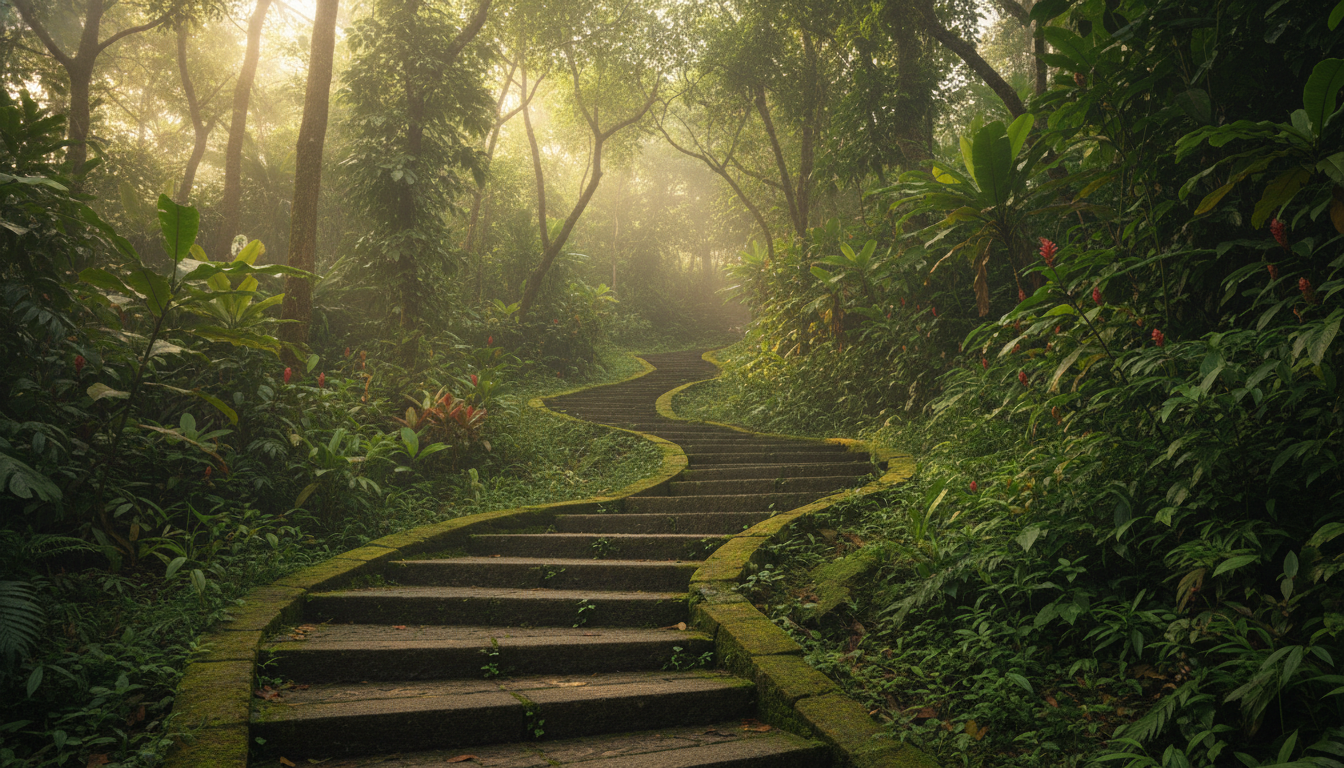
I find immense pleasure in wandering through Fort Canning's winding paths, discovering hidden staircases and archaeological digs that reveal Singapore's deep past. The park masterfully blends natural beauty with historical intrigue, offering panoramic views of the city skyline alongside glimpses into its ancient and colonial chapters. It's a place where history feels alive, where every rustle of leaves seems to whisper tales of kings, colonizers, and crucial wartime decisions.
The Sultan Mosque and Kampong Glam: A Glimpse into Malay Heritage
Venturing into Kampong Glam is like stepping into a different world within Singapore, a vibrant and historic quarter that serves as the heart of the Malay-Muslim community. Dominating the skyline here is the magnificent Sultan Mosque (Masjid Sultan), with its resplendent golden domes and grand minarets, a truly awe-inspiring sight. This iconic mosque, originally built in 1824 by Sultan Hussein Shah, has been a focal point of worship and community life for nearly two centuries.
The current structure, completed in 1928, is a stunning example of Islamic architecture, featuring intricate details and a truly majestic scale. I vividly remember my first encounter with the mosque; its sheer size and the brilliance of its golden domes, especially under the morning sun, left an indelible impression. What truly fascinated me was learning that the base of its dome is adorned with glass bottles, donated by poor Muslims during its construction, symbolizing that all Muslims, regardless of wealth, contributed to its creation. This detail speaks volumes about community spirit.
Beyond the mosque, Kampong Glam unfurls into a bustling labyrinth of streets like Arab Street and Haji Lane. Here, you can immerse yourself in a sensory feast: the rich aromas of Middle Eastern spices, the vibrant colours of traditional textiles, and the intricate designs of carpets and perfumes. Haji Lane, in particular, has transformed into a trendy alleyway adorned with colourful street art, boutique shops, and quirky cafes, yet it retains an undeniable historical charm. This district beautifully showcases how Malay heritage thrives and adapts in modern Singapore, making it a compelling cultural experience.
Thian Hock Keng Temple: A Sanctuary of Chinese Spirituality
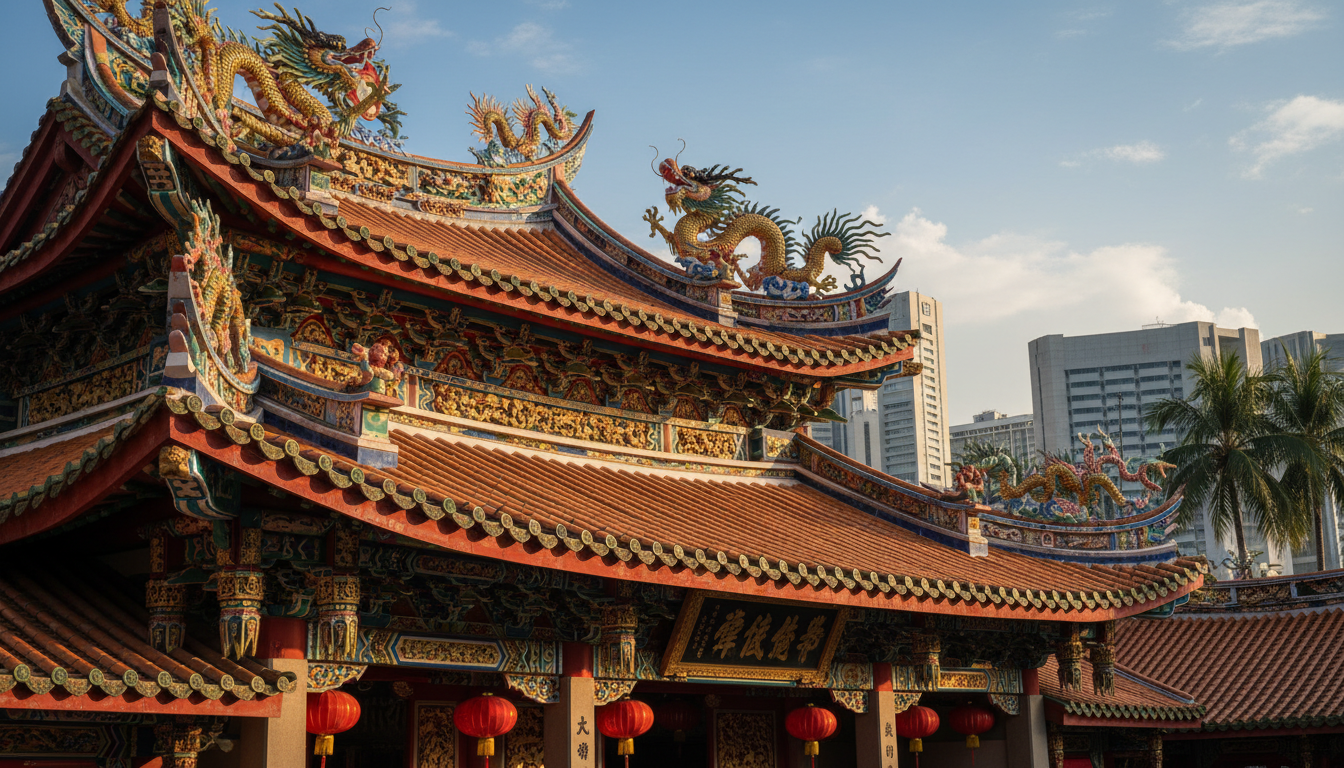
Among Singapore's oldest and most significant Hokkien temples, Thian Hock Keng Temple stands as a powerful testament to the faith and resilience of early Chinese immigrants. Built in 1840, this magnificent temple was originally located on the waterfront, serving as the first point of arrival for many Chinese immigrants who would immediately offer thanks to Mazu, the Goddess of the Sea, for their safe passage. It is a spiritual anchor, connecting the past to the present with profound reverence.
The architecture of Thian Hock Keng is breathtaking, a masterful display of traditional Southern Chinese temple construction. What makes it particularly remarkable is that the entire structure was built without a single nail, relying instead on intricate interlocking wood joints and traditional craftsmanship. The temple's elaborate carvings, vibrant ceramic shards depicting mythical creatures, and gilded ornaments tell stories of ancient legends and cultural beliefs. The craftsmanship is truly astounding, a visual feast for any visitor.
During my visits, I always take time to observe the devout worshippers, the scent of burning incense filling the air, and the quiet reverence that permeates the space. It offers a stark contrast to the colonial grandeur and the Malay vibrancy seen elsewhere, highlighting Singapore's rich multicultural mosaic. Thian Hock Keng is not just a place of worship; it is a cultural repository, preserving the stories, traditions, and artistic expressions of Singapore's early Chinese community. Its enduring presence is a powerful reminder of the diverse spiritual foundations upon which the nation was built.
The National Gallery Singapore: A Modern Home for History
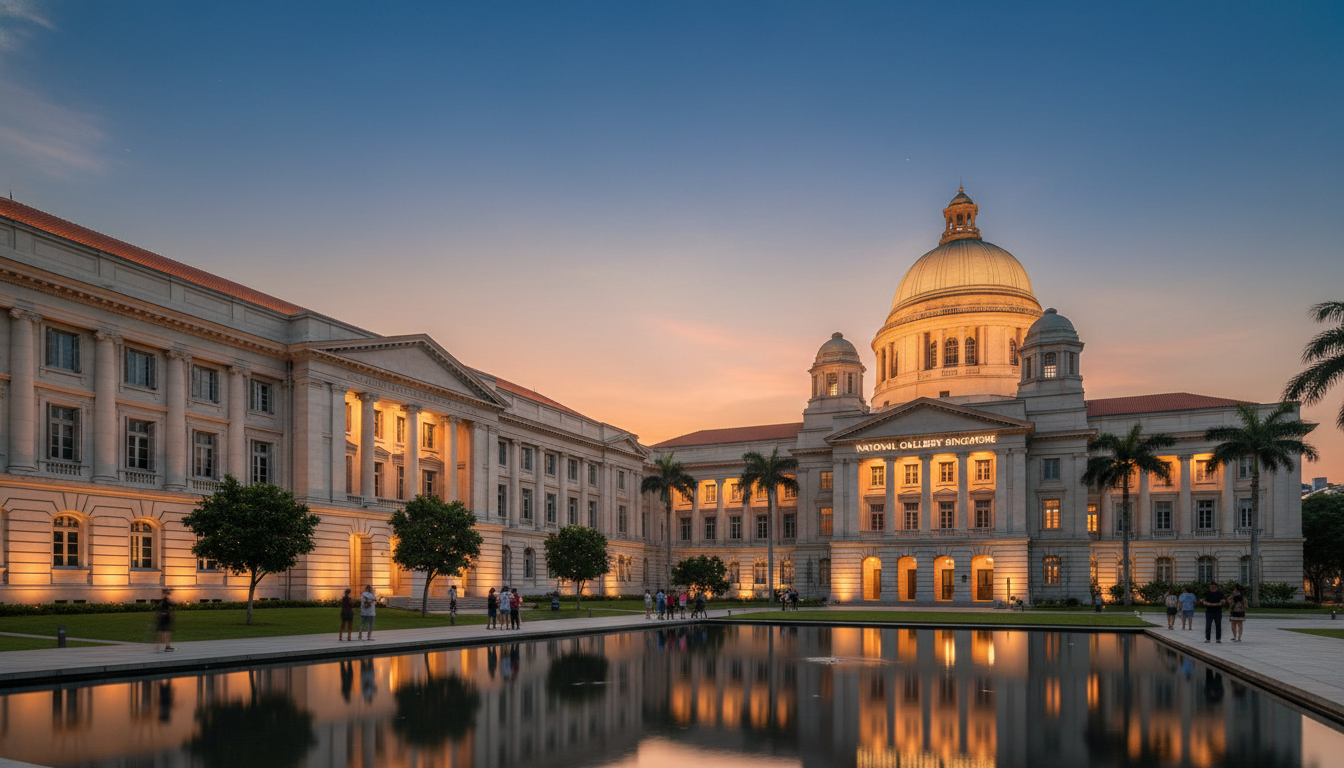
While not an ancient structure in its entirety, the National Gallery Singapore is a landmark of immense historical significance, housed within two meticulously restored national monuments: the former Supreme Court and City Hall. This grand institution perfectly embodies Singapore's commitment to cultural preservation and its vision for the future of art and heritage. It is a brilliant example of adaptive reuse, breathing new life into structures that once witnessed pivotal moments in the nation's history.
The former City Hall, where Japan surrendered to the British at the end of World War II and where Singapore’s first Prime Minister, Lee Kuan Yew, declared self-governance, holds profound historical weight. The former Supreme Court, with its iconic dome, was the bastion of justice. These buildings, now transformed into a world-class art museum, continue to tell stories, not just through the art they house, but through their very architecture and the events they witnessed.
Exploring the National Gallery is a journey through Southeast Asian art, but also a journey through the architectural grandeur of these colonial-era masterpieces. I am always impressed by how the architects seamlessly integrated modern exhibition spaces while preserving the original features, such as the Supreme Court's imposing main entrance and the City Hall steps. It stands as a powerful symbol of Singapore's journey, showcasing its rich artistic heritage within buildings that shaped its very destiny.
Preserving the Past, Shaping the Future
Singapore's approach to heritage preservation is a masterclass in balancing rapid modernization with a deep respect for its past. The Urban Redevelopment Authority (URA) and other cultural bodies play a crucial role in meticulously conserving these historical landmarks, ensuring they remain integral parts of the urban landscape rather than being relegated to forgotten corners. This deliberate effort reflects a profound understanding that a nation's identity is inextricably linked to its history.
The strategy isn't simply about freezing buildings in time; it's about giving them new life and purpose, allowing them to continue serving the community while educating future generations. This adaptive reuse, as seen in the National Gallery or the Victoria Theatre, ensures that these structures remain relevant and vibrant, contributing to the city's ongoing narrative. It's a dynamic form of preservation, where old and new coexist in harmonious and often surprising ways.
For residents and visitors alike, these historical sites offer more than just aesthetic beauty; they provide a tangible connection to Singapore's diverse origins, its struggles, and its triumphs. They are classrooms without walls, teaching us about the resilience of its people, the richness of its multicultural heritage, and the foresight of its leaders. My own experiences have shown me that these landmarks are essential keys to unlocking a deeper, more meaningful understanding of this remarkable nation.
Conclusion: Singapore's Enduring Legacy
My journey through Singapore's historical and cultural landmarks has always been an enriching exploration, revealing layers of history, culture, and human endeavor that defy its often-perceived image as a purely modern metropolis. From the stately colonial grandeur of the Civic District to the spiritual serenity of St. Andrew’s Cathedral and Thian Hock Keng Temple, and the vibrant heritage of Kampong Glam and the Peranakan shophouses in Katong, each site offers a unique window into the soul of this island nation. These places are not just points on a map; they are storytellers, chronicling the triumphs and challenges that have shaped Singapore into the dynamic, multicultural hub it is today.
Singapore's famous landmarks serve as powerful anchors, connecting its bustling present to a rich and complex past, reminding us that true progress is often built upon the foundations of heritage. They are living testaments to the diverse communities — Malay, Chinese, Indian, and European — who contributed to its growth, creating a truly unique cultural tapestry. For the culturally curious reader seeking substantive travel narratives and meaningful connections, Singapore offers an unparalleled opportunity for discovery.
I encourage you to look beyond the gleaming skyscrapers and delve into the heart of Singapore's historical sites. Let the whispers of the past guide you through its streets, immerse yourself in its diverse traditions, and savor the authentic cultural stories that abound. As MLIFEON always champions, it is through "More Discovery, More Experience" that we truly connect with the world and ourselves. Singapore's historical landmarks are waiting to share their timeless tales with you, promising an unforgettable journey.
Article URL Slug
The slug is auto-generated from the article title but can be edited for better SEO.
Preview URL: mlifeon.com/generating-73
Slug Best Practices:
- • Use lowercase letters, numbers, and hyphens only
- • Keep it short and descriptive (3-5 words)
- • Include target keywords when relevant
- • Avoid special characters and spaces
Multi-Language Translations
Translate this article to Vietnamese and Chinese using AI
How Translation Works:
- • Uses Google Gemini AI for natural, fluent translations
- • Preserves all Markdown formatting and image links
- • Optimizes SEO metadata for each language
- • Creates separate translation records linked to this article
- • Translations are stored in the database (not just cached)
Export Article JSON
ℹ️ The JSON file will be downloaded to your computer. Each format has a different structure optimized for its platform.
Publish to MLifeOn
📋 Publishing Activity Log
| Timestamp | Platform | Status | Category | API Endpoint | Message | Details |
|---|---|---|---|---|---|---|
| 2026-01-14 05:10:07 | MLIFEON | ✅ Success | travel |
http://localhost:8000/api/v1/agent/posts/
|
Article published successfully to MLifeOn |
Publishing Log Details - 2026-01-14 05:10:07Platform & StatusPlatform MLIFEON Status SUCCESS HTTP Status 201 Category travel API Endpointhttp://localhost:8000/api/v1/agent/posts/
MessageArticle published successfully to MLifeOn Full Response Data{'data': {'id': 'f4bccd06-0e20-43bc-8a24-448d8483096d', 'url': 'https://mlifeon.com/articles/singapores-timeless-tales-a-cultural-odyssey-through-its-famous-historical-landmarks', 'slug': 'singapores-timeless-tales-a-cultural-odyssey-through-its-famous-historical-landmarks', 'title': "Singapore's Timeless Tales: A Cultural Odyssey Through Its Famous Historical Landmarks", 'status': 'draft', 'created_at': '2026-01-14T05:10:04.857421+00:00', 'updated_at': '2026-01-14T05:10:04.857437+00:00', 'translations': {'en': "Singapore's Timeless Tales: A Cultural Odyssey Through Its Famous Historical Landmarks", 'vi': 'Singapore: Những Giai Thoại Vượt Thời Gian – Hành Trình Văn Hóa Khám Phá Các Di Tích Lịch Sử Danh Tiếng'}, 'dashboard_url': 'https://backend-v2.mlifeon.com/dashboard/posts/f4bccd06-0e20-43bc-8a24-448d8483096d/edit/'}, 'message': 'Bilingual article created successfully as draft', 'success': True}
|