Beyond the Reef and Resorts: Why Darwin and the Top End Offer Australia's Most Authentic Adventure
Australia's tropical north often conjures images of pristine beaches, vibrant coral reefs, and lush rainforests. Destinations like Cairns and Broome have rightfully earned their place on many traveler...
Australia's tropical north often conjures images of pristine beaches, vibrant coral reefs, and lush rainforests. Destinations like Cairns and Broome have rightfully earned their place on many travelers' wish lists, promising sun-drenched relaxation and breathtaking natural beauty. Yet, for the discerning traveler seeking a deeper, more profound connection with Australia's ancient land, rich history, and vibrant multicultural tapestry, Darwin and the Top End stand apart.
As a seasoned explorer of Australia's diverse landscapes and cultures, I've always found myself drawn to places that tell a story beyond the postcard. The Top End, with Darwin as its beating heart, offers an unparalleled journey into the raw, untamed spirit of Australia, a journey of discovery that transcends superficial tourism. It's an invitation to engage with ancient Indigenous cultures, witness dramatic natural wonders, and immerse oneself in a unique frontier history, making it a truly unforgettable experience.
This article delves into why Darwin and its surrounding Top End gateways offer a distinct and richer alternative to other popular tropical Australian destinations. We'll explore what sets Darwin apart from Cairns and Broome, highlighting its unique appeal in culture, history, adventure, and culinary delights. For MLIFEON readers, particularly those from the Vietnamese-Australian community, this journey promises "More Discovery, More Experience" – a chance to connect with stories that resonate with resilience, cultural fusion, and the enduring power of place.
Tropical Australia: Darwin vs. The Rest
When travelers dream of tropical Australia, their minds often drift to the iconic Great Barrier Reef or the stunning Kimberley coastline. These regions offer undeniable beauty and fantastic opportunities for relaxation and conventional tourism. However, the Top End, anchored by Darwin, presents a vastly different proposition.
It’s less about manicured resorts and more about rugged authenticity. Here, the focus shifts from pristine beaches (though Darwin has its own coastal charm) to ancient landscapes, dramatic waterfalls, and a living, breathing Indigenous culture that has shaped the land for tens of thousands of years. From my own travels, I've always felt that Darwin offers a grittier, more real Australian experience.
The Top End is a land of extremes, defined by its distinct wet and dry seasons, its vast savannas, and its powerful river systems teeming with wildlife. It’s a place where history isn't just in museums but etched into the very rocks and told through the stories of its people. This unique blend of natural wonder and cultural depth is what makes Darwin and its gateways an exceptional choice for those craving more than just a holiday.
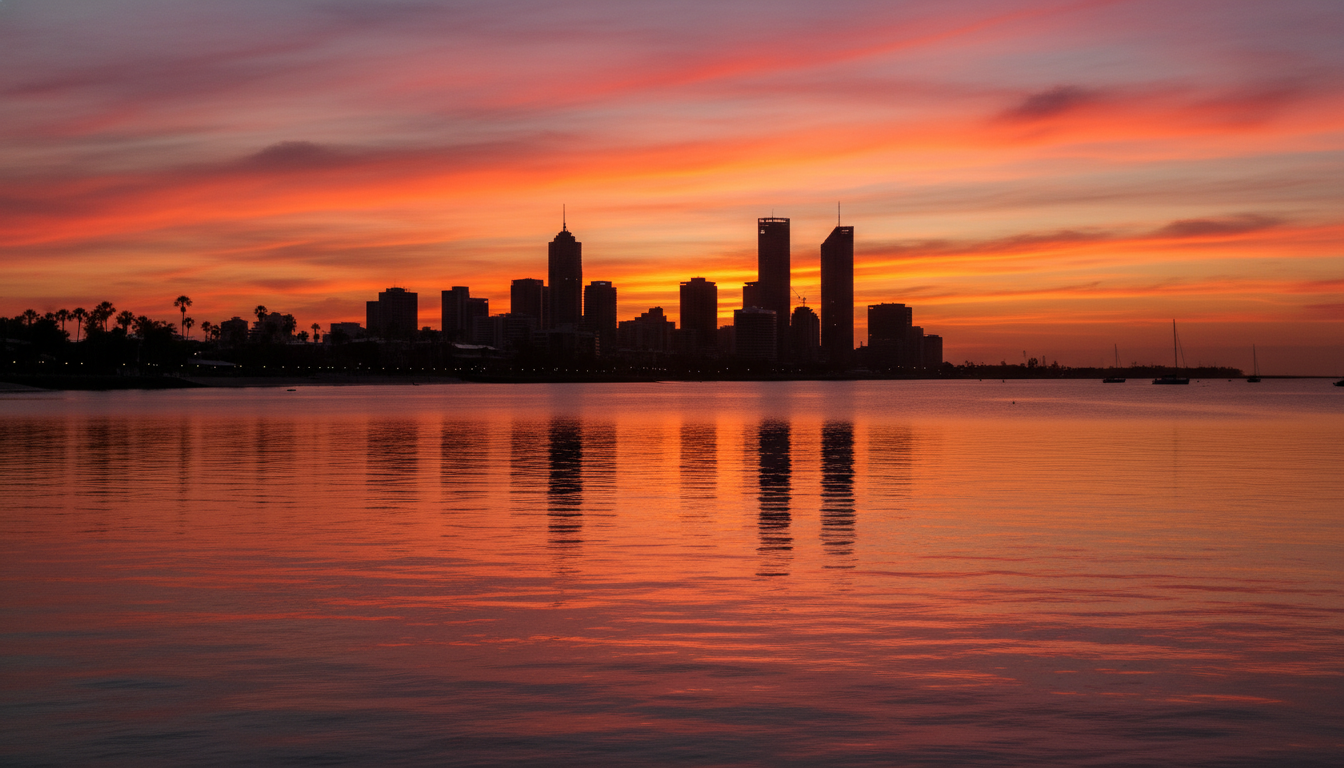
Darwin vs. Cairns: The Rainforest and Reef vs. The Savanna and Sea
Cairns, located in Far North Queensland, is often lauded as the quintessential gateway to Australia's tropical north. It's a vibrant hub for accessing the Great Barrier Reef and the ancient Daintree Rainforest, offering a classic blend of adventure sports, lush natural beauty, and a well-developed tourism infrastructure. My visits to Cairns have always been filled with exciting reef tours and refreshing dips in freshwater swimming holes.
Yet, Darwin, while also tropical, offers an entirely different flavor of Australian adventure. While Cairns leans into its reputation as a resort town with easy access to aquatic wonders, Darwin embraces its identity as a frontier city, rich in history and deeply connected to its unique Top End environment. The contrasts are striking and speak to different travel desires.
Cairns excels in providing immediate access to two UNESCO World Heritage sites: the Great Barrier Reef and the Wet Tropics Rainforest. Visitors can spend days snorkeling or diving among colorful corals, or exploring the dense, ancient rainforests by cable car or guided walk. The city itself has a bustling Esplanade, a lagoon for swimming, and a plethora of dining options catering to international tourists. It's a fantastic choice for families and those seeking a more conventional tropical escape.
Darwin, on the other hand, offers a raw, untamed beauty that feels worlds away from Cairns' polished appeal. Its natural attractions are not rainforests but vast wetlands, stunning waterfalls, and rugged escarpments found in places like Kakadu and Litchfield National Parks. Here, you're more likely to encounter saltwater crocodiles in their natural habitat or marvel at towering magnetic termite mounds than vibrant coral gardens. It’s a land where the savanna meets the sea, creating a distinct ecosystem unlike anywhere else.
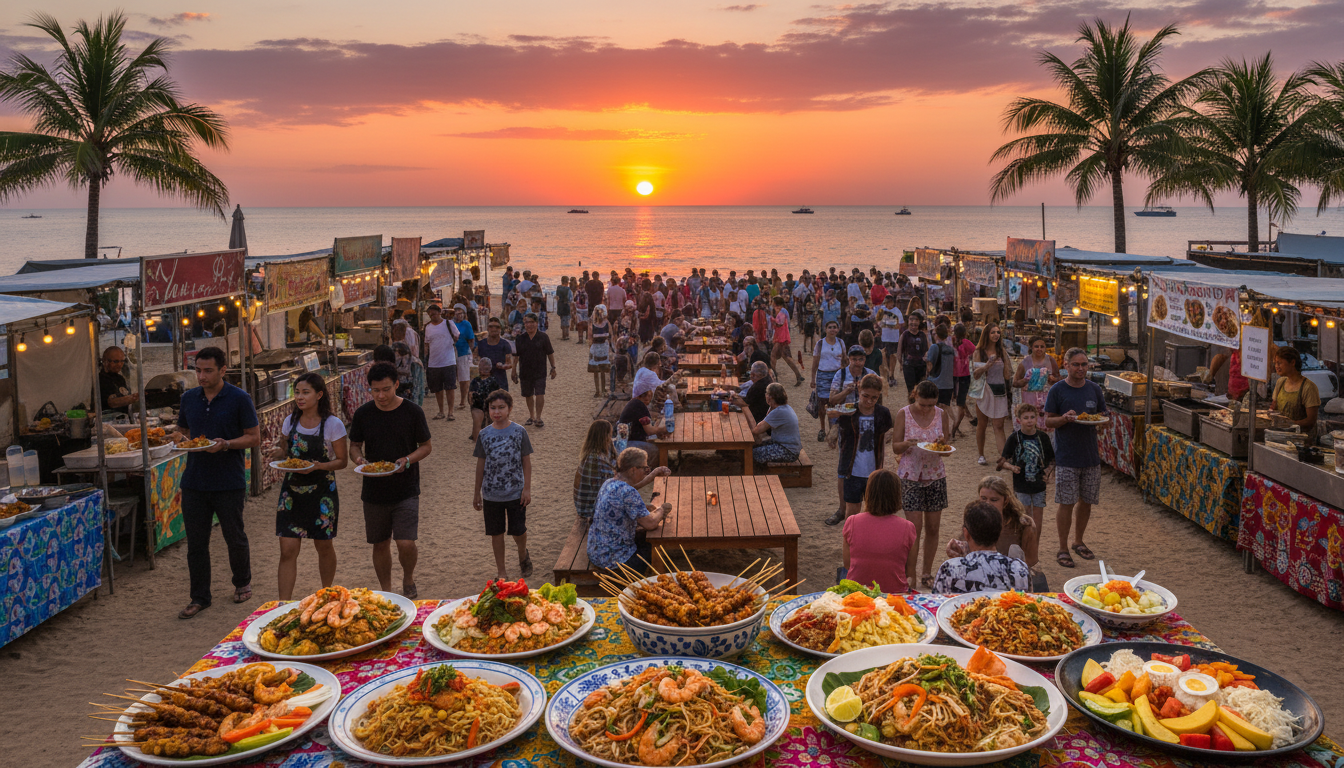
Culturally, Darwin presents a profoundly different experience. While Cairns has a diverse population, Darwin is a true multicultural melting pot, heavily influenced by its proximity to Asia. This is vividly apparent at the Mindil Beach Sunset Market, a sensory explosion of Southeast Asian street food, local crafts, and live music, all set against a breathtaking sunset over the Arafura Sea. As a food lover, I’ve spent countless evenings sampling everything from authentic Laksa to freshly grilled seafood there, a testament to Darwin's vibrant culinary scene.
Moreover, Darwin's history is incredibly rich and palpable. Its strategic location meant it played a pivotal role in World War II, suffering devastating bombing raids that are still commemorated today. Sites like the WWII Oil Storage Tunnels and the Darwin Military Museum offer a poignant glimpse into this turbulent past, a stark contrast to Cairns' more recent tourism-focused development. The city's resilience, its rebuild after Cyclone Tracy, and its enduring connection to Indigenous Australian culture (the Larrakia people are the traditional custodians) provide layers of historical and cultural depth that are less prominent in Cairns.
For MLIFEON's culturally curious readers, Darwin offers a chance to engage with Australia's Indigenous heritage on a profound level, particularly through its proximity to Kakadu, a dual World Heritage site for both its natural and cultural values. It’s a place to understand ancient stories, appreciate rock art that dates back tens of thousands of years, and experience the living traditions of the world's oldest continuous culture. This depth of cultural immersion is what truly distinguishes Darwin from the more leisure-focused offerings of Cairns.
Darwin vs. Broome: Pearling History vs. Frontier Spirit
Moving west, Broome in Western Australia presents another enticing tropical destination, renowned for its stunning Cable Beach, rich pearling history, and magnificent red-dirt landscapes meeting turquoise waters. Broome embodies a relaxed, somewhat luxurious vibe, offering iconic experiences like camel rides along the beach at sunset and the natural phenomenon of the Staircase to the Moon. I remember being utterly captivated by the sight of the full moon reflecting off the exposed mudflats, creating an illusion of a staircase to the sky.
However, a comparison with Darwin reveals two distinctly different types of frontier towns, each with its own unique allure. While both are gateways to vast, rugged wildernesses – Broome to the Kimberley, and Darwin to the Top End – their character, history, and the types of experiences they offer diverge significantly.
Broome's identity is inextricably linked to its pearling industry, which attracted a diverse array of cultures from Japan, China, Malaysia, and Europe in the late 19th and early 20th centuries. This history is beautifully preserved in its architecture, its cemeteries, and the stories told in its museums. The town exudes a sense of tranquil remoteness, a place where time seems to slow down, perfect for unwinding and soaking in the unique beauty of the Kimberley coast. Its natural wonders, like Gantheaume Point with its dinosaur footprints and the striking colours of Willie Creek Pearl Farm, are breathtaking.
Darwin, while also a port city with a multicultural past, possesses a more active, bustling, and historically significant frontier spirit. Its history is less about a single industry like pearling and more about its strategic geopolitical importance. As mentioned, its pivotal role in WWII and its subsequent complete rebuild after Cyclone Tracy in 1974 speak to a resilience and a dynamic evolution that feels different from Broome's more preserved historical charm. Darwin feels like a city constantly moving forward, yet deeply aware of its past.
The adventure offerings also differ. Broome is a fantastic base for exploring the southern Kimberley, including trips to Horizontal Falls or inland station stays. It offers a taste of the vastness of Western Australia. Darwin, however, is the direct gateway to the Top End's iconic national parks – Kakadu, Litchfield, and Nitmiluk (Katherine Gorge) – each presenting unique natural wonders and deep cultural significance. The wildlife encounters, particularly with crocodiles, are more pronounced and central to the Top End experience.
Culturally, both cities are rich, but in different ways. Broome's multicultural heritage is deeply rooted in its pearling past, creating a unique blend of Asian and Indigenous Australian influences that is truly fascinating. Darwin, by contrast, feels like a more contemporary cultural melting pot, with ongoing immigration and a vibrant, diverse population that contributes to its dynamic food scene, arts, and festivals. The Mindil Beach Market, for example, is a much larger and more diverse cultural event than anything you’d find in Broome.
For those seeking active exploration, genuine cultural immersion with ancient Indigenous traditions, and a deep dive into Australia's military and modern history, Darwin offers a more robust and varied itinerary. While Broome provides a luxurious and serene escape to a unique coastal environment, Darwin promises an invigorating journey into the heart of Australia's untamed north, a place where adventure and profound discovery go hand in hand.
The Unique Appeal of the Top End Gateways
What truly sets Darwin and the Top End apart is not just what it offers instead of other places, but its singular, unparalleled collection of experiences. It's a region that demands to be explored with an open mind and a spirit of adventure, promising rewards unlike anywhere else in Australia.
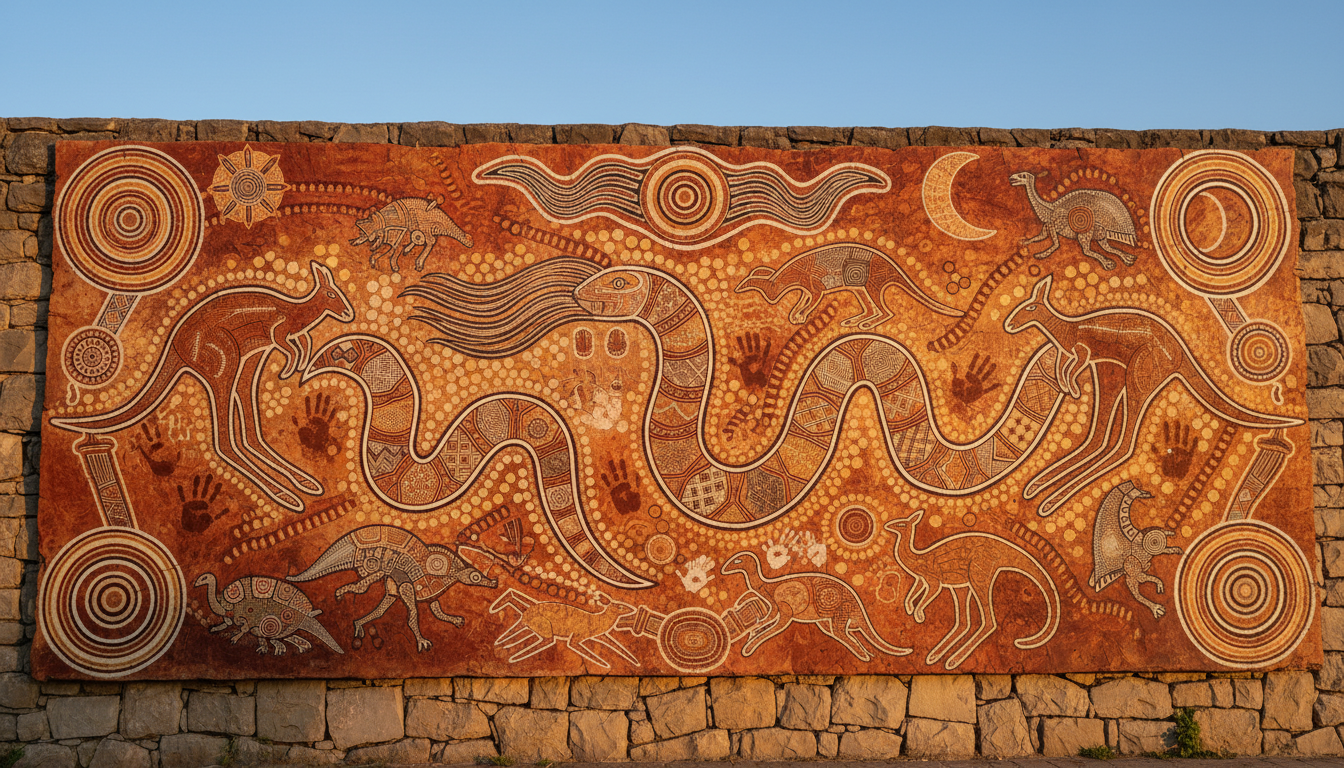
Kakadu National Park: This is arguably the crown jewel of the Top End, a dual UNESCO World Heritage site recognized for both its natural and cultural significance. Covering nearly 20,000 square kilometers, Kakadu is a landscape of immense beauty and ancient history. I remember standing before the rock art galleries at Ubirr and Nourlangie, feeling a profound connection to the countless generations who have lived here. These aren't just paintings; they are living narratives, some dating back over 20,000 years, offering an unparalleled insight into the world's oldest continuous living culture.
Kakadu's natural diversity is equally breathtaking. From the dramatic escarpments and waterfalls of the stone country to the vast wetlands teeming with birdlife and saltwater crocodiles, it’s a living museum of biodiversity. Cruising the Yellow Water Billabong at dawn or dusk is an unforgettable experience, witnessing the raw power and beauty of the ecosystem. The park’s traditional owners, the Bininj/Mungguy people, play a vital role in its management, offering visitors a chance for genuine cultural exchange and understanding, deeply aligning with MLIFEON’s focus on authentic cultural stories.
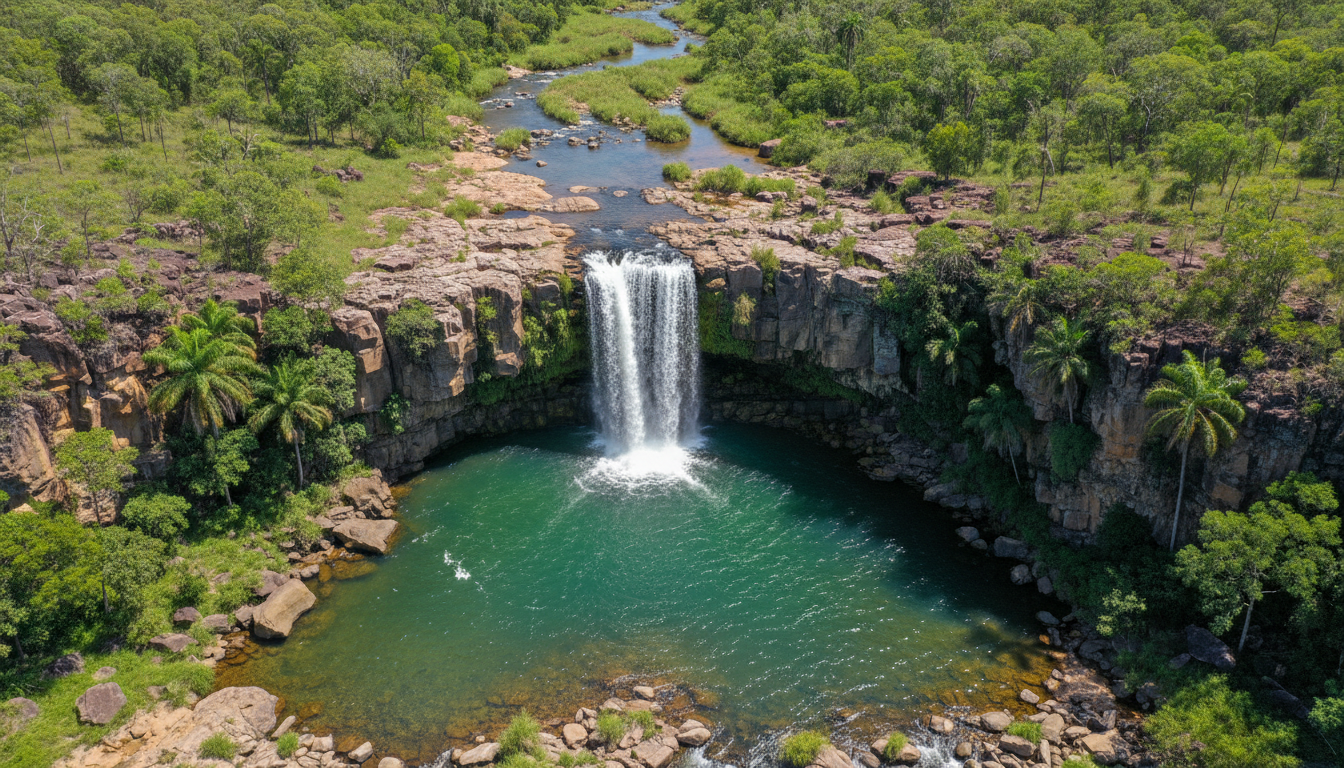
Litchfield National Park: A more accessible and equally stunning natural wonder, Litchfield is a favourite for locals and tourists alike for its magnificent waterfalls and crystal-clear swimming holes. Florence Falls, Tolmer Falls, and Wangi Falls offer refreshing dips in pristine natural pools, a welcome respite from the tropical heat. I've spent many joyful hours swimming beneath these cascades, feeling completely rejuvenated by the cool, clear water.
Litchfield is also home to the fascinating Magnetic Termite Mounds, towering structures built by termites that are perfectly aligned north-south to regulate temperature. It’s a testament to the ingenious adaptations of nature in the Top End. Its proximity to Darwin makes it an ideal day trip or an overnight camping adventure, providing stunning natural beauty without the extensive travel time required for Kakadu.
Arnhem Land: For those truly seeking "More Discovery, More Experience," Arnhem Land offers an extraordinary journey into one of Australia's most culturally significant and least-accessed regions. This vast, remote area is owned by the Yolngu people, and permits are required for entry, ensuring that tourism is managed in a way that respects traditional culture and land.
My experience in Arnhem Land was transformative, offering intimate encounters with Indigenous art, culture, and ancient traditions. It’s a place where you can learn directly from traditional custodians, witness age-old ceremonies, and appreciate the deep spiritual connection the Yolngu people have with their land. It represents the pinnacle of authentic cultural immersion, a rare privilege for any traveler.
Darwin City Itself: Beyond its role as a gateway, Darwin is a destination in its own right. Its laid-back, tropical vibe is infectious. The aforementioned Mindil Beach Sunset Market is an absolute must, not just for the food, but for the communal experience of watching the sun dip below the horizon. The Museum and Art Gallery of the Northern Territory offers insights into the region's natural history, Indigenous art, and the devastating impact of Cyclone Tracy.
The city's vibrant street art, its bustling waterfront precinct, and its unique blend of cultures create an atmosphere that is both welcoming and intriguing. From its poignant WWII history to its contemporary art scene, Darwin embodies a resilience and dynamism that is truly captivating. It’s a place where you can feel the pulse of Australia’s northern frontier, a city that has weathered storms both literal and metaphorical, emerging stronger and more culturally rich.
Cost and Accessibility Comparison
When planning a trip to Australia's tropical north, cost and accessibility are key considerations. While all three destinations – Darwin, Cairns, and Broome – offer a range of accommodation and tour options, there are nuances that distinguish the Top End experience.
Flights and Connectivity: Cairns typically boasts more direct flights from major Australian cities and international hubs, making it a very accessible destination. Darwin is also well-connected with regular flights from Sydney, Melbourne, Brisbane, Adelaide, and Perth, but may have fewer direct international connections compared to Cairns. Broome, being more remote, often requires connecting flights through Perth, which can add to both travel time and cost. From a Vietnamese-Australian perspective, connecting flights from major Australian cities to Darwin are readily available, making it a viable option for a culturally rich getaway.
Accommodation: All three destinations offer a spectrum of choices, from budget-friendly hostels to mid-range hotels and luxury resorts. Cairns has a higher concentration of large-scale resorts catering to a mass tourism market. Broome offers a mix of boutique stays and larger resorts, often with a focus on luxury and relaxation. Darwin has a good selection of modern hotels, serviced apartments, and unique boutique accommodations, with options for various budgets. While perhaps fewer 'five-star resort' options than Cairns, Darwin excels in providing comfortable and authentic stays.
Tours and Activities: The costs associated with tours and activities can vary significantly. Great Barrier Reef tours from Cairns, whether snorkeling, diving, or glass-bottom boat excursions, generally range from moderate to high, depending on the duration and inclusions. Similarly, Kimberley tours from Broome, especially multi-day expeditions into the remote wilderness, can be quite expensive due to the logistics and specialized guiding required.
Top End tours, particularly those to Kakadu and Arnhem Land, can also represent a significant investment. This is due to the vast distances, the need for specialized vehicles (often 4WD), expert Indigenous guides, and the conservation fees that contribute to park maintenance and cultural preservation. However, for MLIFEON readers, these costs are often justified by the unparalleled depth of cultural immersion and unique experiences offered, providing exceptional value for genuine discovery. Litchfield National Park, being closer to Darwin, offers more affordable day trip options, whether self-driven or guided.
Car Hire: For independent exploration of the Top End, particularly Litchfield and parts of Kakadu, car hire is highly recommended and often essential. A 2WD vehicle suffices for many sealed roads and main attractions, but a 4WD opens up access to more remote areas, especially during the dry season. This contrasts with Cairns, where many attractions are accessible via organized tours or public transport, and Broome, where a 2WD is generally sufficient for local exploration, though a 4WD is needed for venturing into the wider Kimberley. The need for a 4WD in the Top End adds to the sense of adventure and self-reliance that defines the region.
Industry Trends: The tourism industry in Darwin and the Top End is increasingly focusing on experiential travel, eco-tourism, and authentic cultural immersion. There's a growing recognition among travelers for unique, less-crowded destinations that offer genuine connection and learning opportunities. This trend aligns perfectly with MLIFEON’s ethos. While Cairns continues to be a strong market for conventional tropical holidays, and Broome for luxury relaxation, Darwin is carving out a niche for adventurous, culturally curious travelers seeking depth and meaning in their journeys. The focus is shifting towards sustainable tourism that benefits local communities, particularly Indigenous ones, and preserves the natural and cultural heritage of the region. This makes Darwin a forward-thinking choice for responsible travelers.
Conclusion: Why Darwin Wins for Adventurers
In the grand tapestry of Australia's tropical north, Darwin and the Top End present a compelling, distinct, and ultimately more profound alternative for the culturally curious and adventurous traveler. While Cairns offers the classic reef and rainforest escape, and Broome provides a luxurious pearling history by the sea, Darwin stands as the undisputed gateway to Australia's untamed frontier.
From the ancient rock art of Kakadu that whispers stories of millennia past, to the refreshing waterfalls of Litchfield, and the profound cultural insights offered in Arnhem Land, the Top End promises a journey of unparalleled discovery. Darwin itself, a city forged in resilience and steeped in multiculturalism, serves as a dynamic hub where Asian influences meet Indigenous traditions and frontier history. My own experiences in this region have consistently left me with a sense of awe and a deeper understanding of Australia's unique spirit.
For MLIFEON readers, particularly those seeking to bridge cultural divides and find meaningful connections, Darwin offers a chance to engage with Australia's Indigenous heritage on an intimate level, explore landscapes that are both breathtaking and spiritually significant, and savour a culinary scene that reflects its diverse population. It’s a destination that challenges, inspires, and ultimately enriches the soul, promising more than just a holiday, but a true adventure.
It's a journey into the heart of authentic Australia, where every sunset over the Arafura Sea, every ancient rock painting, and every story shared by a local adds another layer to an unforgettable experience. Darwin and the Top End are not just destinations; they are invitations to embark on "Your journey to unforgettable cultural stories and inspiring connections. More Discovery, More Experience." For those ready to look beyond the conventional, the Top End awaits with open arms and endless wonders.
Article URL Slug
The slug is auto-generated from the article title but can be edited for better SEO.
Preview URL: mlifeon.com/generating-155
Slug Best Practices:
- • Use lowercase letters, numbers, and hyphens only
- • Keep it short and descriptive (3-5 words)
- • Include target keywords when relevant
- • Avoid special characters and spaces
Multi-Language Translations
Translate this article to Vietnamese and Chinese using AI
How Translation Works:
- • Uses Google Gemini AI for natural, fluent translations
- • Preserves all Markdown formatting and image links
- • Optimizes SEO metadata for each language
- • Creates separate translation records linked to this article
- • Translations are stored in the database (not just cached)
Export Article JSON
ℹ️ The JSON file will be downloaded to your computer. Each format has a different structure optimized for its platform.