Navigating the Top End: Your Ultimate Guide to Darwin City & Beyond
The Top End of Australia, with Darwin as its vibrant heart, is a realm where ancient landscapes meet modern multiculturalism. It's a destination that calls to the adventurous spirit, offering a tapest...
The Top End of Australia, with Darwin as its vibrant heart, is a realm where ancient landscapes meet modern multiculturalism. It's a destination that calls to the adventurous spirit, offering a tapestry of experiences from bustling markets to ancient Indigenous rock art and breathtaking national parks. For those of us who cherish authentic cultural stories and meaningful connections, Darwin and its surrounding gateways offer an unparalleled journey.
Having explored countless corners of the world, I can attest that the Top End presents a unique set of considerations for the discerning traveler. It's a place where meticulous planning yields the richest rewards, transforming a simple trip into an unforgettable odyssey. This guide is crafted from personal insights and extensive travel, designed to equip you with the practical tips you need to master your adventure in this extraordinary part of Australia.
Our journey together will navigate the essential logistics, help you choose the perfect base, meticulously plan your itinerary, and weigh the options between guided tours and self-drive explorations. We’ll also tackle the unique challenges and charms of the tropical climate, ensuring your Top End experience is as comfortable as it is captivating. Prepare to discover the secrets to unlocking the true essence of Darwin City and its magnificent Top End gateways.
Mastering the Top End Logistics
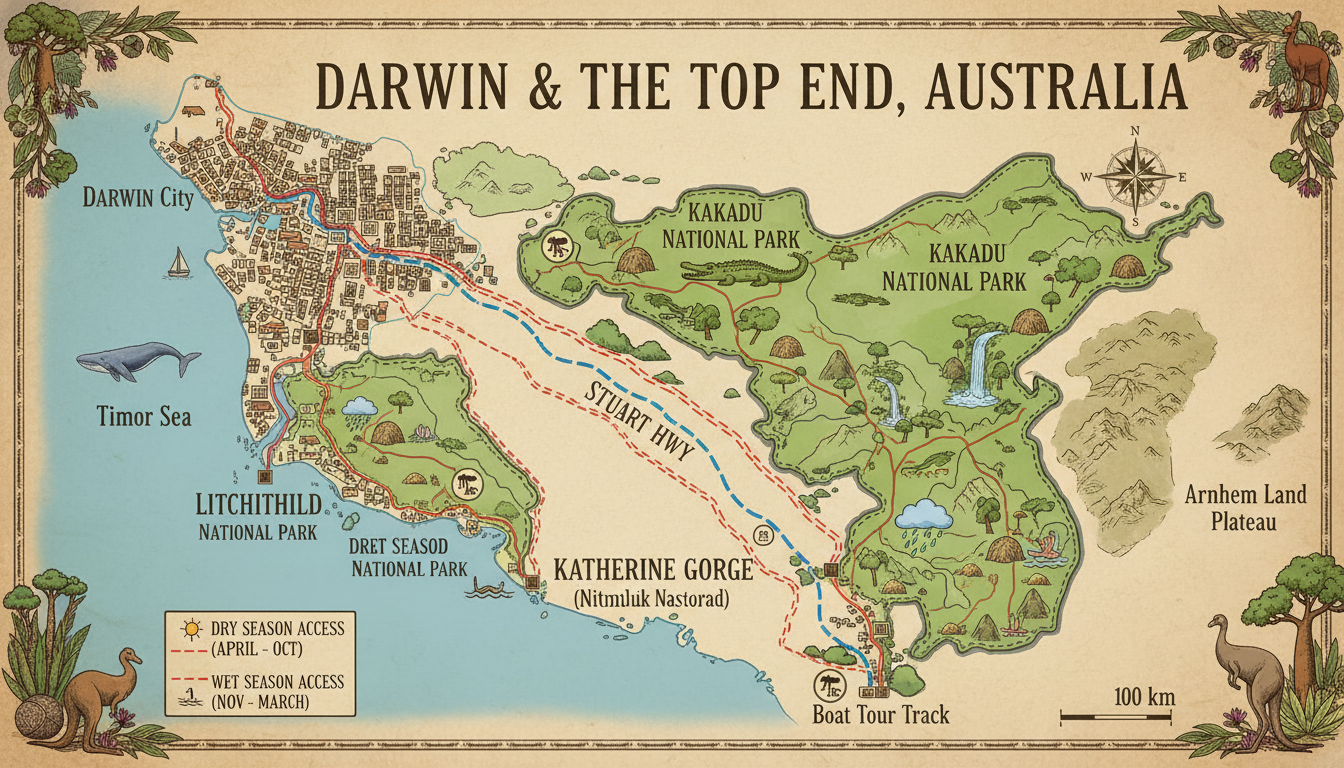
Embarking on a Top End adventure requires more than just booking flights; it demands a strategic approach to logistics that respects the unique environment. Understanding the rhythms of this tropical region is paramount to a successful and enjoyable trip. The primary logistical consideration revolves around the distinct wet and dry seasons, which dictate everything from accessibility to available activities.
The dry season, typically from May to October, is characterized by warm, sunny days and cooler nights, making it the most popular time to visit. During these months, national parks like Kakadu and Litchfield are fully accessible, and outdoor activities flourish. However, this popularity means higher prices and greater crowds, so booking accommodations and tours well in advance is crucial.
Conversely, the wet season, from November to April, brings dramatic thunderstorms, high humidity, and lush, rejuvenated landscapes. While some areas may become inaccessible due to flooding, this period offers a different kind of beauty, with fewer tourists and spectacular lightning shows. It's also the time for incredible waterfalls at their peak, though some roads may require 4WD or be completely closed.
Regardless of the season, essential gear includes lightweight, breathable clothing, a wide-brimmed hat, sunglasses, and strong insect repellent. Hydration is key in the tropical heat, so always carry a reusable water bottle. For those venturing into national parks, sturdy walking shoes are indispensable, and a first-aid kit with remedies for minor scrapes and bites is always a wise inclusion.
Health and safety are non-negotiable in the Top End. Be acutely aware of saltwater crocodiles in waterways and always observe warning signs; their presence is not to be underestimated. Sun protection is vital year-round, and it's wise to inform someone of your itinerary if you plan to explore remote areas. My own travels have taught me that respecting the environment and its inhabitants ensures a safer, more profound connection with this ancient land.
How to Choose Your Base in Darwin
Selecting the right accommodation in Darwin City can significantly shape your overall experience, acting as your gateway to both urban delights and Top End excursions. Darwin offers a range of options, from bustling city-centre hotels to serene waterfront retreats and more budget-friendly suburbs. Each area presents a different vibe and set of conveniences tailored to various travel styles.
For first-time visitors or those who appreciate being amidst the action, the Darwin City Centre is an excellent choice. Here, you're within walking distance of attractions like the Darwin Waterfront Precinct, Parliament House, and numerous restaurants and bars. The convenience of having everything at your fingertips, including tour departure points, makes it a popular hub.
The Waterfront Precinct offers a more resort-like atmosphere, with hotels, a wave lagoon, and a safe swimming beach (with a stinger net). It’s perfect for families and those who enjoy dining with ocean views and easy access to recreational activities. I often find myself drawn to the Waterfront for its relaxed ambiance and the refreshing opportunity for a dip after a day of exploring.
If you prefer a quieter stay or are traveling on a tighter budget, consider areas slightly outside the immediate city centre, such as Fannie Bay or Parap. These suburbs offer a glimpse into local life, with charming cafes and access to local markets. While they require a short drive or bus ride into the city, they provide a more tranquil base away from the central hustle.
When making your decision, consider your itinerary and how much time you plan to spend in Darwin versus venturing out to the national parks. Proximity to tour operators, vehicle rental depots, or public transport might be a deciding factor. My advice is to always book well in advance, especially during the dry season, as quality accommodations fill up quickly.
Step-by-Step Itinerary Planning
Crafting an itinerary for Darwin and the Top End is like composing a symphony; each day builds upon the last, creating a harmonious blend of culture, nature, and adventure. Whether you have a few days or a full week, strategic planning ensures you capture the essence of this captivating region. This section will guide you through maximizing your time, offering distinct focuses for shorter and longer stays.
3-Day Darwin City Focus
A three-day itinerary allows you to immerse yourself fully in Darwin's unique character, blending its wartime history, vibrant markets, and tropical charm. This duration is perfect for those with limited time or as an introductory prelude to a longer Top End expedition. It focuses on the city's key attractions, ensuring a rich and diverse experience.
Day 1: Historical Roots and Waterfront Wonders. Begin your exploration at the Darwin Waterfront Precinct, enjoying a leisurely breakfast with views of the Arafura Sea. Spend your morning at the Wave Lagoon or Recreational Lagoon, a refreshing start to any tropical day. In the afternoon, delve into Darwin's poignant past at the Darwin Military Museum and the Royal Flying Doctor Service Tourist Facility, which offers compelling insights into the city's WWII bombing raids and the pioneering spirit of the RFDS.
For dinner, explore the eclectic dining options at the Waterfront or head into the city centre for fresh seafood. Consider a sunset cruise on Darwin Harbour for a truly memorable end to the day. The shimmering colours reflecting on the water, often accompanied by live music and a delicious meal, are an iconic Darwin experience. I vividly recall the breathtaking hues of orange and purple painting the sky during one such cruise, a moment of pure serenity amidst the tropical warmth.
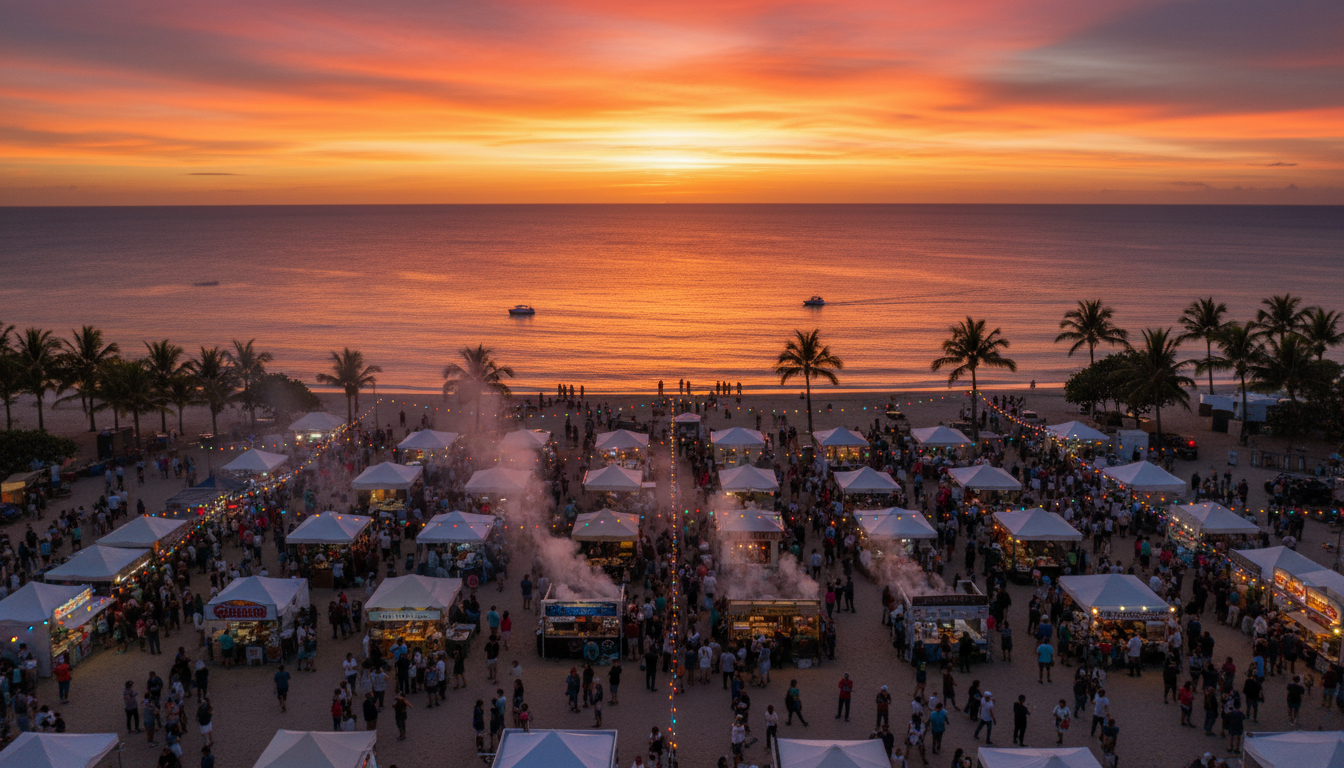
Day 2: Markets, Art, and Croc Encounters. Start your day bright and early at the famous Parap Village Markets (Saturday mornings) or the Mindil Beach Sunset Market (Thursday and Sunday evenings during the dry season). These markets are a sensory feast, offering incredible street food, local crafts, and live entertainment. Sample Vietnamese pho, Thai curries, or Indigenous-inspired delicacies—a true reflection of Darwin's multicultural fabric.
After the markets, immerse yourself in local art at the Museum and Art Gallery of the Northern Territory (MAGNT). It houses impressive collections of Indigenous art, natural history exhibits, and the beloved Cyclone Tracy display. In the afternoon, get up close with some of the Top End's most iconic inhabitants at Crocosaurus Cove in the city centre. Here, you can hold a baby crocodile or even brave the "Cage of Death" for an exhilarating experience with a huge saltwater croc.
Day 3: Botanical Beauty and Local Flavours. Dedicate your morning to the tranquil beauty of the George Brown Darwin Botanic Gardens. These extensive gardens showcase a stunning array of tropical plants, including palms, orchids, and cycads. It's a peaceful escape and a fantastic place for a leisurely stroll, offering a cool respite from the heat.
For lunch, seek out one of Darwin’s many charming cafes, perhaps in the Fannie Bay area. Spend your afternoon exploring Darwin’s street art scene, discovering vibrant murals hidden within laneways, or revisiting a favourite spot. As your final evening unfolds, enjoy a farewell dinner at a restaurant that captures the essence of Darwin's diverse culinary landscape, perhaps focusing on fresh, local produce and flavours.
7-Day Gateway Extension
With a week at your disposal, you can venture beyond Darwin City and truly unlock the majestic wonders of the Top End's national parks. This extended itinerary allows for deeper exploration, offering a taste of the region's ancient landscapes, cascading waterfalls, and rich Indigenous heritage. It's a journey into the wild heart of Northern Australia, an experience that stays with you long after you've returned home.
Days 1-3: Darwin City Immersion (as above). Use the first three days to explore Darwin City, utilizing the plan outlined previously. This provides a crucial foundation, allowing you to settle in, understand the local rhythm, and prepare for your adventures further afield. It also gives you time to pick up any last-minute supplies for your park excursions.
Day 4: Litchfield National Park's Waterfalls. Head south from Darwin to Litchfield National Park, a pristine natural playground renowned for its stunning waterfalls and crystal-clear swimming holes. Litchfield is often described as Darwin's backyard oasis, easily accessible for a day trip. Begin at Florence Falls, where twin cascades plunge into a pristine plunge pool, perfect for swimming.
Continue to Tolmer Falls, a spectacular single drop waterfall that cascades over a sheer escarpment, best viewed from the lookout. Conclude your Litchfield adventure with a visit to Buley Rockhole, a series of natural spa pools ideal for relaxing. Remember to take plenty of water, sunscreen, and insect repellent. The drive itself is scenic, offering glimpses of the vast Top End landscape.
Day 5-6: Kakadu National Park's Ancient Spirit. Dedicate two full days to Kakadu National Park, a UNESCO World Heritage site celebrated for its natural beauty and Aboriginal cultural significance. This park is immense, requiring careful planning to cover its highlights. On your first day, focus on the northern section: explore the ancient rock art galleries at Nourlangie (Burrungkuy), marveling at millennia-old paintings that tell stories of the Bininj people.
Afterward, take a tranquil boat cruise on the Yellow Water Billabong (Ngurrungurrudjba). This iconic experience offers unparalleled wildlife viewing, including saltwater crocodiles, diverse birdlife, and stunning reflections of the surrounding wetlands. The sunset over the billabong is particularly magical. For your second day in Kakadu, head to the western escarpment to Ubirr (Nadab), another significant rock art site. Climb to the top for panoramic views over the Nadab floodplain, especially breathtaking at sunset.
Consider visiting the Bowali Visitor Centre for valuable insights and information on the park's ecosystems and cultural significance. Kakadu is a place that truly touches the soul, offering a profound connection to ancient land and culture. My own experience exploring these sites left me with an overwhelming sense of awe and respect for the continuous custodianship of the Traditional Owners.
Day 7: Katherine Gorge (Nitmiluk National Park) or Return to Darwin. On your final day, you have a choice. For those eager for more natural wonders, embark on a longer day trip or an overnight stay to Nitmiluk National Park (Katherine Gorge), approximately a 3-hour drive south of Kakadu. Here, you can take a boat cruise through the magnificent sandstone gorges, paddle a canoe, or hike along the rim trails. The scale and beauty of the gorges are truly impressive.
Alternatively, if you prefer a more relaxed pace or have an evening flight, use Day 7 to slowly make your way back to Darwin. You could stop at the Adelaide River War Cemetery, a poignant tribute to those who served in WWII, or visit the Berry Springs Nature Park for a final refreshing swim in its clear waters. This flexibility allows you to tailor your departure to your energy levels and flight schedule.
Booking Tours vs. Self-Driving
The decision to book guided tours or embark on a self-driving adventure is a pivotal one for any Top End journey. Both options offer distinct advantages and disadvantages, and the best choice often depends on your budget, comfort level, and desired experience. I’ve personally experienced both, and each holds its own unique appeal.
Guided Tours provide unparalleled convenience and expertise. When you book a tour, all the logistics—transportation, accommodation, meals, and park fees—are typically handled for you. This eliminates the stress of navigation, particularly in remote areas where roads can be challenging. Tour guides often possess deep local knowledge, sharing insights into Indigenous culture, wildlife, and history that you might otherwise miss.
Furthermore, tours can grant access to areas that are difficult or impossible to reach independently, especially in Kakadu or Arnhem Land where permits and 4WD are essential. They also offer a layer of safety, as guides are trained to handle emergencies and are familiar with the terrain and local hazards. For solo travelers or those unfamiliar with remote Australian conditions, tours offer peace of mind and camaraderie.
Self-Driving, on the other hand, offers ultimate flexibility and a sense of freedom that many independent travelers crave. You can set your own pace, linger longer at places that capture your interest, and discover hidden gems off the beaten path. This option is often more cost-effective for groups or families, as you only pay for vehicle rental and fuel.
However, self-driving requires careful planning. You’ll need to research road conditions, particularly during the wet season, and ensure your vehicle is suitable (a 4WD might be necessary for certain routes). Navigation can be challenging in areas with limited mobile reception, so offline maps are crucial. You're also responsible for all bookings, park permits, and safety precautions. My own self-drive through Litchfield allowed me to discover a secluded swimming hole, a memory I cherish, but it also required diligent preparation.
For a comprehensive Top End experience, a hybrid approach often works best. Consider self-driving for accessible parks like Litchfield or for exploring Darwin's surrounds. For more remote or culturally sensitive areas like Arnhem Land or certain parts of Kakadu, a guided tour, particularly one led by an Indigenous operator, can enrich your journey immeasurably. This balance allows you to enjoy both independence and expert guidance, tailoring your adventure to your preferences.
How to Handle the Tropical Climate
The tropical climate of Darwin and the Top End is a defining characteristic, offering both exhilarating beauty and specific challenges. Understanding and adapting to the heat and humidity is crucial for a comfortable and safe trip. My travels through Southeast Asia and Northern Australia have taught me the invaluable art of embracing, rather than fighting, the tropical environment.
Hydration is paramount. The high temperatures and humidity mean you will perspire more than usual, necessitating constant fluid intake. Always carry a reusable water bottle and refill it whenever possible. Electrolyte drinks can also be beneficial, especially after active days. Dehydration can quickly lead to fatigue and heatstroke, so make this your top priority.
Dress appropriately. Opt for lightweight, loose-fitting clothing made from natural, breathable fabrics like cotton or linen. Light colours reflect sunlight and help keep you cooler. A wide-brimmed hat and sunglasses are essential for sun protection. Even on overcast days, the UV index can be very high, so don't be complacent.
Sun protection is non-negotiable. Apply broad-spectrum sunscreen with a high SPF liberally and frequently, even if you think you’re not directly in the sun. Seek shade during the hottest parts of the day, typically between 10 AM and 3 PM. Plan your most strenuous activities for early mornings or late afternoons.
Insect repellent is your best friend. Mosquitos and other biting insects are prevalent, especially during the wet season and around waterways. Use a repellent containing DEET or picaridin, and consider wearing long sleeves and pants in the evenings. Dengue fever and Ross River virus are present in the region, so prevention is key.
Understand the seasons. As mentioned earlier, the wet and dry seasons dramatically impact the environment and your activities. During the wet season, be prepared for heavy downpours, high humidity, and potential road closures. While it’s cooler during the dry season, the sun remains intense. Plan your activities according to the season you visit, embracing the unique experiences each brings. For example, during the wet season, the waterfalls are at their most spectacular, but you might need to view them from the air or from specific, accessible viewpoints.
Embrace the pace. The tropical heat naturally encourages a slower, more relaxed pace of life. Don’t try to cram too much into each day. Allow for afternoon siestas, enjoy a cool drink in the shade, and savour the moments. This unhurried approach not only helps you cope with the climate but also allows for a deeper appreciation of the Top End's laid-back charm.
Conclusion
Our journey through the logistical landscape of Darwin City and the Top End gateways reveals a destination of profound beauty, rich history, and vibrant culture. From meticulously planning your itinerary to choosing the perfect base and navigating the unique tropical climate, every tip shared is designed to transform your travel aspirations into tangible, unforgettable experiences. This region, where ancient Indigenous traditions meet modern Australian life, offers a depth of discovery that few other places can match.
Remember, the essence of a truly enriching trip lies not just in the places you see, but in the connections you make and the stories you gather. Whether you're savoring the multicultural delights of a Darwin market, marveling at ancient rock art in Kakadu, or swimming beneath a cascading waterfall in Litchfield, each moment contributes to a larger narrative of exploration and understanding. Embrace the planning, but also be open to the unexpected wonders that the Top End invariably presents.
As a publication dedicated to inspiring connections and cultural storytelling, MLIFEON encourages you to embark on this journey with an open heart and a curious mind. The Top End is more than just a destination; it's an invitation to engage with a unique ecosystem, to learn from its Traditional Owners, and to witness the raw, untamed beauty of Australia. Your journey to unforgettable cultural stories and inspiring connections awaits. More Discovery, More Experience.
Article URL Slug
The slug is auto-generated from the article title but can be edited for better SEO.
Preview URL: mlifeon.com/generating-166
Slug Best Practices:
- • Use lowercase letters, numbers, and hyphens only
- • Keep it short and descriptive (3-5 words)
- • Include target keywords when relevant
- • Avoid special characters and spaces
Multi-Language Translations
Translate this article to Vietnamese and Chinese using AI
How Translation Works:
- • Uses Google Gemini AI for natural, fluent translations
- • Preserves all Markdown formatting and image links
- • Optimizes SEO metadata for each language
- • Creates separate translation records linked to this article
- • Translations are stored in the database (not just cached)
Export Article JSON
ℹ️ The JSON file will be downloaded to your computer. Each format has a different structure optimized for its platform.