Singapore's Green Heartbeat: Unveiling Nature-Based Landmarks You Must Explore
Singapore, a glittering mosaic of modernity and tradition, often conjures images of futuristic skyscrapers, bustling hawker centers, and world-class shopping. Yet, beneath this vibrant urban veneer li...
Singapore, a glittering mosaic of modernity and tradition, often conjures images of futuristic skyscrapers, bustling hawker centers, and world-class shopping. Yet, beneath this vibrant urban veneer lies a profound commitment to nature, transforming the island nation into a veritable "City in a Garden." As a travel writer who has traversed countless urban landscapes, I'm always astonished by Singapore's unique ability to seamlessly integrate lush greenery and diverse ecosystems into its dense metropolitan fabric.
My journeys through Southeast Asia have taught me that true cultural immersion often involves understanding a place's relationship with its environment. In Singapore, this relationship is not just a backdrop; it's an active, celebrated part of its identity, offering a refreshing counter-narrative to the concrete jungle stereotype. For those of us seeking "More Discovery, More Experience," the natural famous landmarks of Singapore provide an unparalleled opportunity to connect with the island's green soul.
This article delves into some of Singapore's most breathtaking nature-based landmarks, places where history, culture, and ecology converge to offer unforgettable experiences. From ancient rainforests to meticulously curated gardens, these sites are testaments to Singapore's vision, inviting you to slow down, breathe deep, and discover the wild beauty within this extraordinary city-state. They are not merely parks; they are living testaments to human ingenuity coexisting with the natural world, each telling a unique story of resilience and aspiration.
The City in a Garden Concept: Singapore's Green Vision
Singapore's transformation into a "City in a Garden" is more than just an urban planning strategy; it's a national ethos deeply woven into the fabric of its development since its independence. This ambitious vision, first articulated by founding Prime Minister Lee Kuan Yew in 1967, aimed to create a green and livable environment amidst rapid urbanization. The goal was not just to plant trees, but to integrate nature into the very infrastructure of the city, enhancing the quality of life for its residents and creating a distinct identity on the global stage.
Over the decades, this concept has evolved into "City in Nature," pushing the boundaries of what a modern metropolis can achieve in terms of biodiversity conservation and ecological sustainability. This commitment is evident everywhere, from tree-lined expressways to green rooftops and vertical gardens adorning buildings. For me, walking through Singapore often feels like navigating an urban arboretum, where every turn reveals another pocket of verdant tranquility.
This deliberate cultivation of green spaces serves multiple purposes: it mitigates urban heat, improves air quality, and provides crucial habitats for local wildlife. More profoundly, it offers residents and visitors alike a refuge from the urban hustle, fostering mental well-being and a deeper connection to the natural world. It’s a powerful testament to how foresight and dedication can transform a small island into a global benchmark for sustainable urban living, proving that progress doesn't have to come at nature's expense.
Singapore Botanic Gardens: A UNESCO World Heritage Site
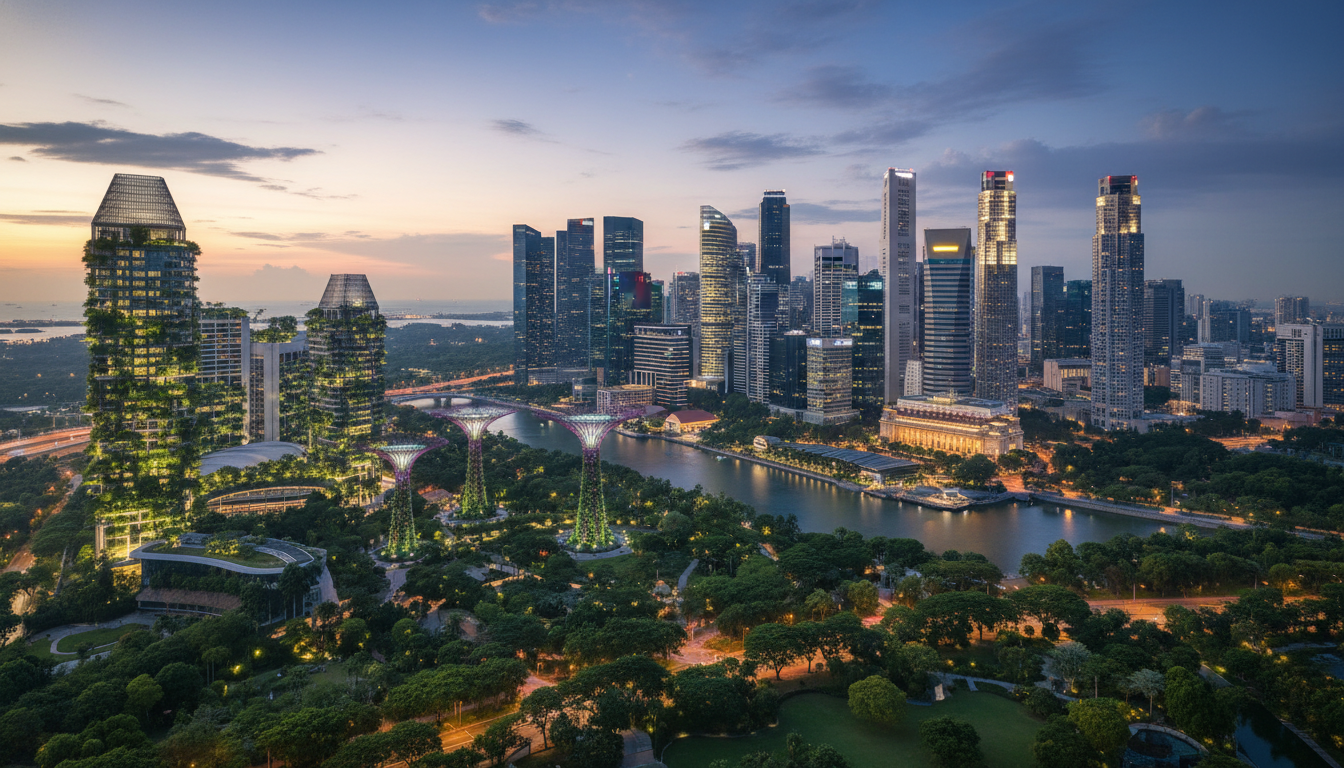
Among the crown jewels of Singapore's green landscape is the Singapore Botanic Gardens, a sprawling 82-hectare tropical garden that holds the esteemed title of a UNESCO World Heritage Site. Established in 1859, it is not only Singapore's first UNESCO site but also the only tropical botanic garden on the list, a remarkable achievement that underscores its global significance. My first visit felt like stepping into a living museum, where every pathway revealed a new wonder.
The Gardens played a pivotal role in the region's agricultural development, particularly in rubber cultivation, and continue to be a leading center for botanical and horticultural research. Yet, beyond its scientific contributions, it is a beloved sanctuary for both locals and tourists, offering a serene escape from the city's pace. I've spent countless hours wandering its diverse sections, each offering a unique botanical narrative.
One of its most iconic attractions is the National Orchid Garden, home to over 1,000 species and 2,000 hybrids of orchids, showcasing an astonishing spectrum of colors and forms. It’s a breathtaking display, a vibrant tapestry of nature's artistry that always leaves me speechless. From the cool house displaying high-altitude orchids to the VIP Orchid Garden featuring hybrids named after visiting dignitaries, the collection is both scientifically impressive and aesthetically stunning.
Beyond the orchids, the Gardens boast a rich tapestry of other attractions, including the charming Ginger Garden, the therapeutic Healing Garden, and the tranquil Eco-Lake. The ancient heritage trees, some towering majestically for centuries, stand as silent witnesses to the Gardens' long history. It’s a place where history whispers through the rustling leaves, offering a profound sense of connection to both natural heritage and human endeavor.
The Jacob Ballas Children’s Garden, Asia’s first garden dedicated to children, further highlights the Gardens' commitment to education and fostering a love for nature in the younger generation. It's a testament to the idea that these green spaces are not just for contemplation but also for active learning and play. For me, the Singapore Botanic Gardens embodies the very essence of a nature-based landmark – a place of beauty, history, science, and community all rolled into one magnificent green lung.
MacRitchie Reservoir Park and the Treetop Walk
For those who crave a more immersive wild experience, MacRitchie Reservoir Park offers a refreshing contrast to the manicured beauty of the Botanic Gardens. This is Singapore's oldest reservoir park, encompassing a vast primary forest that feels miles away from the urban sprawl, even though it's remarkably accessible. I remember feeling the city melt away as soon as I stepped onto its shaded trails, replaced by the symphony of rustling leaves and distant bird calls.
The park is a haven for nature lovers, fitness enthusiasts, and wildlife spotters, boasting a network of well-maintained trails that wind through dense rainforest. Monkeys often playfully greet visitors, while monitor lizards glide through the undergrowth, reminding you that you are indeed in a vibrant tropical ecosystem. It's a place where you can truly switch off and reconnect with the raw energy of nature.
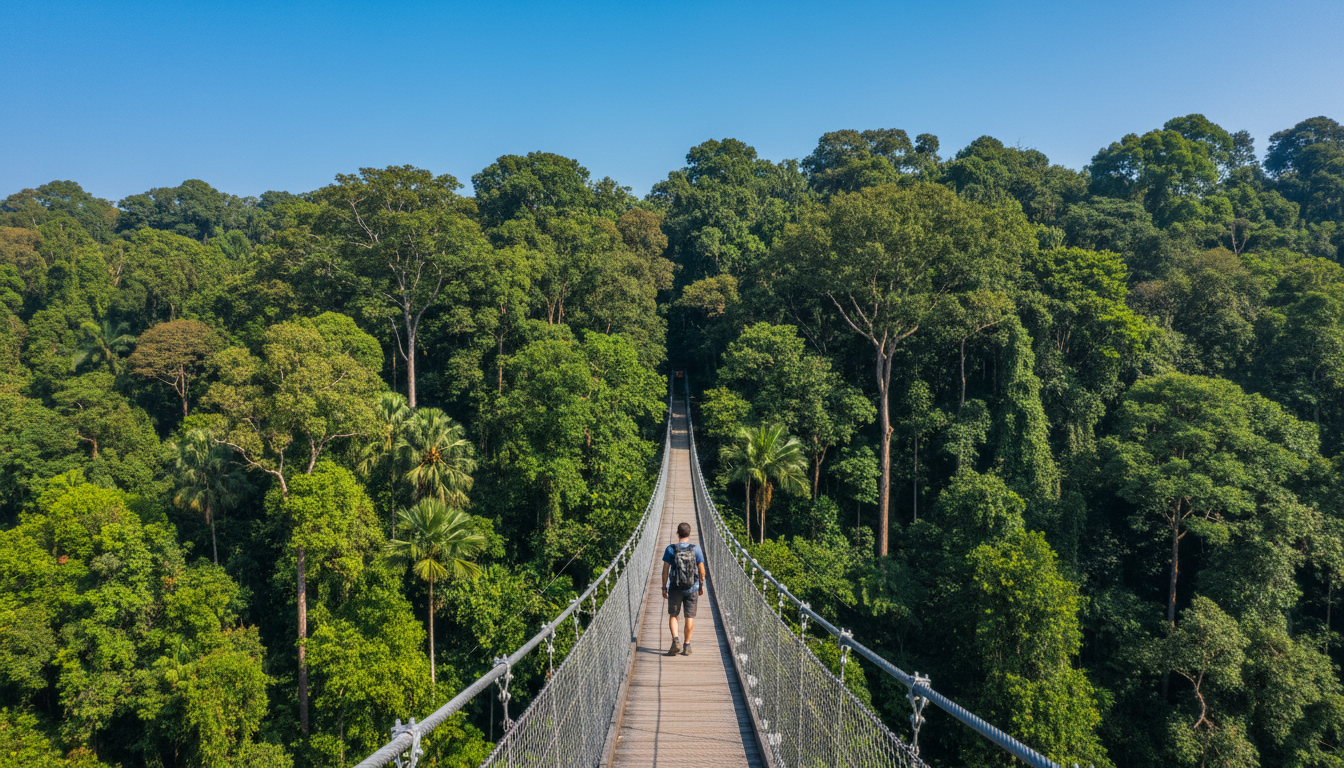
The undisputed highlight of MacRitchie is the HSBC Treetop Walk, a 250-meter-long free-standing suspension bridge that connects the two highest points within MacRitchie (Bukit Peirce and MacRitchie). Perched 25 meters above the forest floor, it offers an unparalleled panoramic view of the forest canopy, an experience that is both exhilarating and serene. Standing amidst the treetops, I felt a profound sense of perspective, gazing out over an endless sea of green.
Accessing the Treetop Walk requires a moderate hike, making the reward of the aerial views even more satisfying. It’s a journey that encourages mindfulness, as you navigate roots and uneven terrain, listening to the sounds of the forest. The entire MacRitchie experience, from the serene reservoir views to the thrilling Treetop Walk, encapsulates Singapore's dedication to preserving and celebrating its natural heritage. It's an adventure that promises both physical challenge and profound natural beauty, a truly iconic nature-based landmark.
Pulau Ubin: A Landmark of the Past
To truly understand Singapore's past, one must journey to Pulau Ubin, an island that remains largely untouched by the rapid development that has transformed the mainland. A short bumboat ride from Changi Point Ferry Terminal transports you back in time, to an era when kampongs (traditional villages) and simple living defined much of Singapore. For me, it was like stepping into a living postcard from a bygone era, a stark and beautiful contrast to the modernity I'd just left behind.
Pulau Ubin is one of Singapore's last remaining rural areas, offering a glimpse into the island's authentic cultural heritage and natural landscapes from the 1960s. The island's rustic charm is palpable, with wooden kampong houses, sleepy roads, and an abundance of wildlife. It's a cultural landmark not for its grand structures, but for its preservation of a way of life that has largely vanished elsewhere.
Many visitors explore the island by renting bicycles, cycling along unpaved roads past granite quarries, mangrove swamps, and rubber plantations. This allows for an intimate exploration of its diverse ecosystems and a chance to truly absorb the island's tranquil atmosphere. I remember the joy of cycling past free-roaming chickens and friendly villagers, a simple pleasure that felt incredibly liberating.
The ecological highlight of Pulau Ubin is Chek Jawa Wetlands, one of Singapore's richest ecosystems, where six distinct habitats converge. At low tide, a vibrant marine life thrives on its intertidal flats, including sea stars, sand dollars, and various crabs. A 1.1-kilometer boardwalk allows visitors to traverse the mangroves and coastal forest, offering an incredible opportunity to observe this delicate ecosystem without disturbing it.
Pulau Ubin serves as a vital reminder of Singapore's origins and its ongoing commitment to balancing progress with preservation. It’s a place where cultural heritage and natural beauty intertwine, offering a unique opportunity for "More Discovery, More Experience" beyond the typical tourist trails. This island is a living landmark, narrating stories of simpler times and the enduring spirit of Singapore's natural environment.
Southern Ridges and the Henderson Waves Bridge
Connecting a series of parks and gardens across the southern part of Singapore, the Southern Ridges is an 10-kilometer stretch of green open spaces, offering some of the city's most spectacular panoramic views. It's an ingenious urban green corridor, designed to link Mount Faber Park, Telok Blangah Hill Park, HortPark, Kent Ridge Park, and Labrador Nature Reserve. My first walk along the Ridges felt like traversing a carefully curated natural gallery, where every turn revealed a new vista.
This continuous network of pathways, bridges, and lush vegetation provides a perfect setting for leisurely strolls, invigorating jogs, or simply enjoying nature' and cityscapes. It's a testament to Singapore's dedication to creating accessible green spaces that enhance urban living. The elevated nature of many of the pathways offers unique perspectives, allowing you to gaze out over the city, the harbor, and even the distant Indonesian islands.
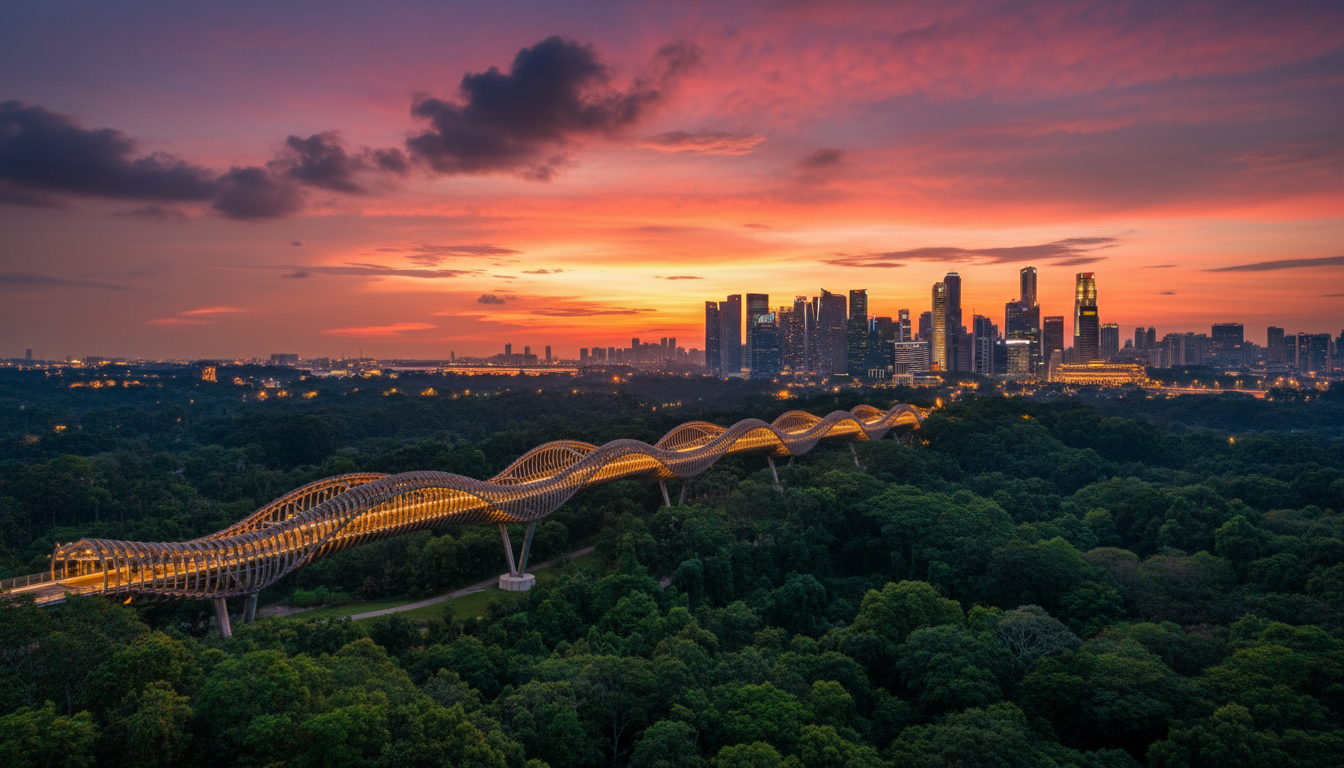
The most iconic feature of the Southern Ridges is undoubtedly the Henderson Waves Bridge. This architectural marvel is Singapore's highest pedestrian bridge, soaring 36 meters above Henderson Road. Its distinctive wave-like structure, inspired by the mathematical equation of a sine wave, is crafted from balau wood slats, giving it an organic yet modern feel. Walking across it, especially at dusk when it's illuminated, is an experience that borders on magical.
The Henderson Waves Bridge not only provides breathtaking views but also serves as a beautiful piece of art in itself, seamlessly blending into its natural surroundings. Its curves create sheltered recesses, perfect for resting and taking in the expansive vistas. Beyond Henderson Waves, other notable bridges and pathways like the Forest Walk and Canopy Walk offer elevated views of the secondary forest, allowing visitors to observe birdlife and other creatures at canopy level.
The Southern Ridges represent the pinnacle of Singapore's "City in a Garden" philosophy, demonstrating how innovative design can integrate nature into an urban environment in a truly spectacular way. It's a place where architectural beauty meets natural splendor, offering a holistic experience of Singapore’s commitment to green living and breathtaking vistas. It's an essential famous landmark for anyone wishing to witness the harmony between urban development and natural preservation.
Conclusion: Singapore's Enduring Green Legacy
Singapore is a city that continually surprises and inspires, proving that rapid development and environmental stewardship can indeed coexist. The nature-based famous landmarks of Singapore are not just beautiful places to visit; they are powerful narratives of a nation's vision, resilience, and deep respect for the natural world. From the UNESCO-listed grandeur of the Botanic Gardens to the rustic charm of Pulau Ubin and the architectural marvel of Henderson Waves, each site offers a unique facet of Singapore's green identity.
These green havens provide more than just aesthetic pleasure; they are crucial lungs for the city, biodiversity hotspots, and cherished spaces for community connection and personal reflection. They embody the MLIFEON spirit of "More Discovery, More Experience," inviting travelers to look beyond the obvious and delve into the deeper layers of Singapore's cultural and environmental landscape. As an avid explorer of cultures and landscapes, I find Singapore’s green heartbeat to be one of its most compelling stories.
For culturally curious readers, particularly those with a Vietnamese-Australian background who appreciate rich heritage and meaningful connections, these natural landmarks offer a profound insight into how a nation cultivates its soul. They remind us that true progress often lies in nurturing what is authentic and enduring. So, next time you plan a trip to this extraordinary island, make sure to dedicate ample time to explore its green heart. You’ll not only witness breathtaking beauty but also experience firsthand the vibrant pulse of a city truly in harmony with nature.
Article URL Slug
The slug is auto-generated from the article title but can be edited for better SEO.
Preview URL: mlifeon.com/generating-71
Slug Best Practices:
- • Use lowercase letters, numbers, and hyphens only
- • Keep it short and descriptive (3-5 words)
- • Include target keywords when relevant
- • Avoid special characters and spaces
Multi-Language Translations
Translate this article to Vietnamese and Chinese using AI
How Translation Works:
- • Uses Google Gemini AI for natural, fluent translations
- • Preserves all Markdown formatting and image links
- • Optimizes SEO metadata for each language
- • Creates separate translation records linked to this article
- • Translations are stored in the database (not just cached)
Export Article JSON
ℹ️ The JSON file will be downloaded to your computer. Each format has a different structure optimized for its platform.
Publish to MLifeOn
📋 Publishing Activity Log
| Timestamp | Platform | Status | Category | API Endpoint | Message | Details |
|---|---|---|---|---|---|---|
| 2026-01-14 05:10:14 | MLIFEON | ✅ Success | travel |
http://localhost:8000/api/v1/agent/posts/
|
Article published successfully to MLifeOn |
Publishing Log Details - 2026-01-14 05:10:14Platform & StatusPlatform MLIFEON Status SUCCESS HTTP Status 201 Category travel API Endpointhttp://localhost:8000/api/v1/agent/posts/
MessageArticle published successfully to MLifeOn Full Response Data{'data': {'id': '5553d68d-fbd9-4280-8f4f-473c4a64828c', 'url': 'https://mlifeon.com/articles/singapores-green-heartbeat-unveiling-nature-based-landmarks-you-must-explore', 'slug': 'singapores-green-heartbeat-unveiling-nature-based-landmarks-you-must-explore', 'title': "Singapore's Green Heartbeat: Unveiling Nature-Based Landmarks You Must Explore", 'status': 'draft', 'created_at': '2026-01-14T05:10:13.266939+00:00', 'updated_at': '2026-01-14T05:10:13.266953+00:00', 'translations': {'en': "Singapore's Green Heartbeat: Unveiling Nature-Based Landmarks You Must Explore", 'vi': 'Trái tim xanh Singapore: Khám phá những địa điểm thiên nhiên không thể bỏ lỡ'}, 'dashboard_url': 'https://backend-v2.mlifeon.com/dashboard/posts/5553d68d-fbd9-4280-8f4f-473c4a64828c/edit/'}, 'message': 'Bilingual article created successfully as draft', 'success': True}
|