Journey to the Heart of the Limestone Coast: Mount Gambier's Volcanic Wonders and the Enigmatic Blue Lake
As an expert in travel and cultural exploration, I've had the privilege of traversing countless landscapes, each telling its own unique story. Yet, few destinations have captivated my imagination quit...
As an expert in travel and cultural exploration, I've had the privilege of traversing countless landscapes, each telling its own unique story. Yet, few destinations have captivated my imagination quite like South Australia’s Limestone Coast, particularly the intriguing region surrounding Mount Gambier. This is a place where nature's power is dramatically displayed, where ancient volcanoes have left behind a legacy of breathtaking beauty and geological marvels.
For the culturally curious traveler seeking more than just a fleeting glance, Mount Gambier offers a deep dive into natural history, local traditions, and the quiet charm of regional Australia. It's a journey of discovery, a true embodiment of MLIFEON’s ethos: "More Discovery, More Experience." This guide will take you step-by-step through the most famous locations for travellers in this remarkable part of South Australia, with a special focus on the captivating Mount Gambier tourism experience and its iconic Blue Lake.
The Limestone Coast’s Volcanic Wonders
The Limestone Coast, stretching along South Australia’s southeastern edge, is a region sculpted by ancient forces. Millennia ago, volcanic eruptions shaped this landscape, leaving behind a series of craters, caves, and sinkholes. Today, these geological formations are the very heart of its appeal, drawing visitors from around the globe.
It’s a land where the earth breathes, manifesting in stunning karstic features and a fertile soil that supports a burgeoning agricultural and viticultural industry. My first visit to the region felt like stepping into a living geology textbook, each rock formation and water body whispering tales of a fiery past. This rich history is palpable, grounding every visitor in the profound narrative of our planet.
The vibrant local communities, many with deep agricultural roots, have built their lives around these natural wonders. You'll find a blend of pioneering spirit and contemporary innovation, reflecting a resilient culture that values both its heritage and its future. This region truly offers a unique glimpse into the diverse ways people create meaning and connection.
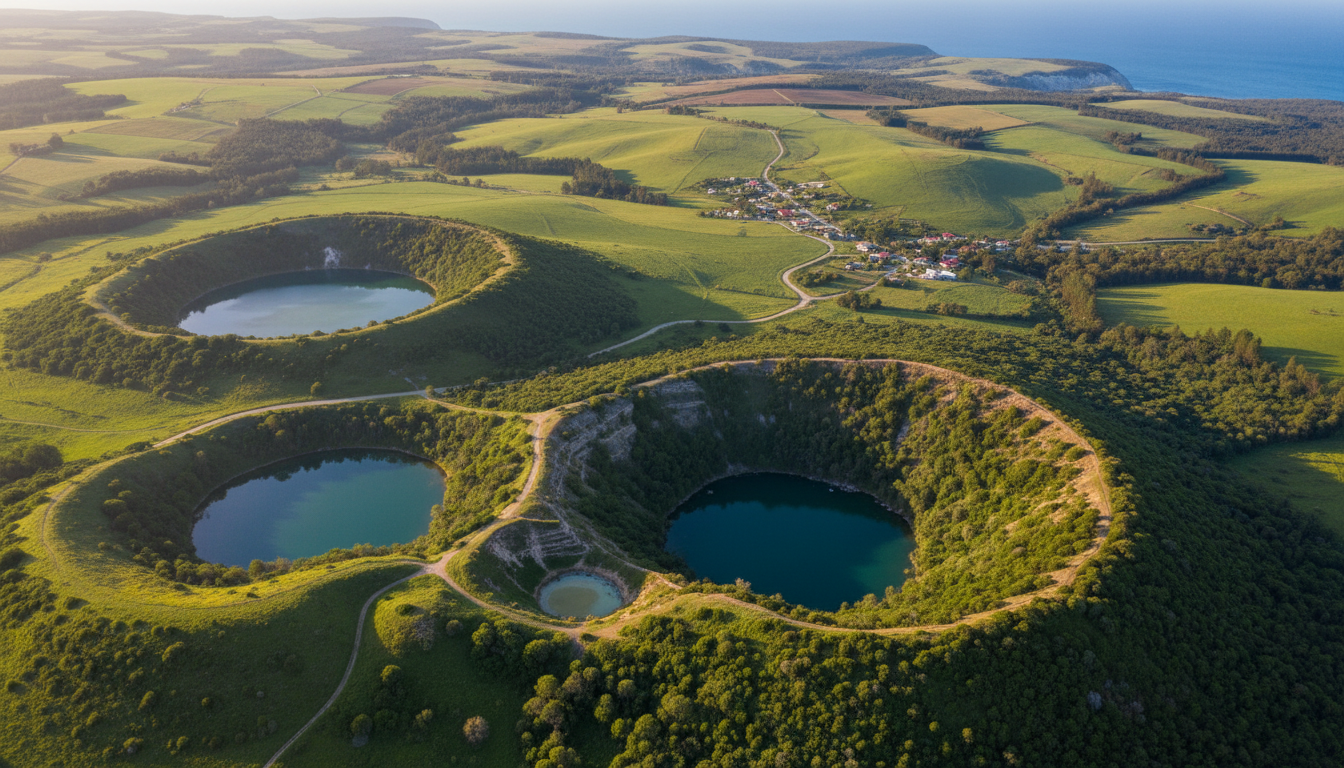
Step 1: Witnessing the Seasonal Shift of the Blue Lake
Without a doubt, the crown jewel of Mount Gambier tourism is the Blue Lake South Australia, known locally as Warwar. This natural wonder is not merely a lake; it is a profound geological phenomenon that changes its hue with the seasons. From November to March, its waters transform into an astonishingly vivid cobalt blue, a sight that must be seen to be believed.
My initial encounter with the Blue Lake was in early summer, and I distinctly remember the gasp that escaped me. The intensity of the blue was unlike anything I had ever witnessed, a liquid sapphire set amidst the verdant slopes of the volcanic crater. It felt almost supernatural, an impossible shade of cerulean that seemed to hum with an inner light.
This incredible transformation is attributed to the warming of the surface layers of the lake in summer, which causes microscopic calcium carbonate crystals to precipitate. These tiny particles scatter blue light more effectively than other colours, creating the lake’s iconic, dazzling blue. It’s a scientific marvel presented with breathtaking artistry.
During the cooler months, from April to October, the lake reverts to a darker, steel-grey colour. While still beautiful, it lacks the brilliant intensity that defines its summer persona. This seasonal shift provides a fascinating reason to visit at different times of the year, offering distinct visual experiences and photographic opportunities.
Beyond its visual appeal, the Blue Lake holds deep cultural significance for the local Bunganditj people, the Traditional Owners of the land. It is a sacred place, central to their creation stories and spiritual connection to the country. Understanding this profound heritage enriches the visitor's experience, transforming a scenic stop into a meaningful cultural encounter.
I often encourage fellow travellers, especially those from the Vietnamese-Australian community, to reflect on these indigenous connections. Just as our own cultures have deep reverence for natural landmarks, the Bunganditj people's enduring relationship with Warwar offers a powerful lesson in heritage preservation and respect for the land. There are well-maintained walking tracks around the lake's perimeter, offering various vantage points and interpretive signs that delve into its geological and cultural history.
Step 2: Descending into the Umpherston Sinkhole Garden
Just a short drive from the Blue Lake, another geological marvel awaits: the Umpherston Sinkhole, also known as The Sunken Garden. This incredible site is a former limestone cave whose roof collapsed, creating a large, deep chasm that has since been transformed into a magnificent, terraced garden. It’s a testament to human ingenuity working in harmony with nature.
Upon first stepping to the edge of the sinkhole, I was struck by the sheer scale of it, and then by the meticulous beauty within. Lush ferns, vibrant hydrangeas, and carefully manicured flower beds cascade down the terraced walls, creating a breathtaking visual spectacle. It's a truly unexpected oasis, a secret garden hidden within the earth.
The sinkhole was originally discovered by James Umpherston in 1886. He recognized its potential and began the painstaking process of transforming the barren chasm into the verdant paradise it is today. His vision and dedication created a legacy that continues to enchant visitors. It's a wonderful example of how human intervention can enhance natural beauty, rather than detract from it.
Walking down the winding paths into the sinkhole feels like entering a different world, a cool, tranquil sanctuary away from the hustle and bustle. The air is fresh, scented with damp earth and blooming flowers, and the sounds of the town fade away, replaced by birdsong and the gentle rustle of leaves. This sensory experience is profoundly calming and restorative.
The garden is meticulously maintained by the local council, preserving its historical charm while ensuring its continued beauty. It’s a popular spot for picnics, quiet contemplation, and photography, offering endless opportunities to capture its unique grandeur. For families, it's an accessible and engaging natural playground.
When to Visit for the Brightest Blue Water
To reiterate, for those specifically chasing the iconic, vibrant blue hue of the Blue Lake, plan your visit between November and March. This period aligns with the Australian summer, offering the best chance to witness the lake in its most famous, brilliant form. The warmer temperatures are key to the physical phenomenon that creates the intense blue.
While the lake is beautiful year-round, the difference in colour is genuinely striking. If you only have one opportunity to visit, aiming for these summer months will ensure you experience the most dramatic spectacle. I have seen it in both seasons, and while both are picturesque, the summer blue is truly unforgettable. It’s a vibrant testament to nature's artistry.
Night-time Possum Feeding at the Sinkhole
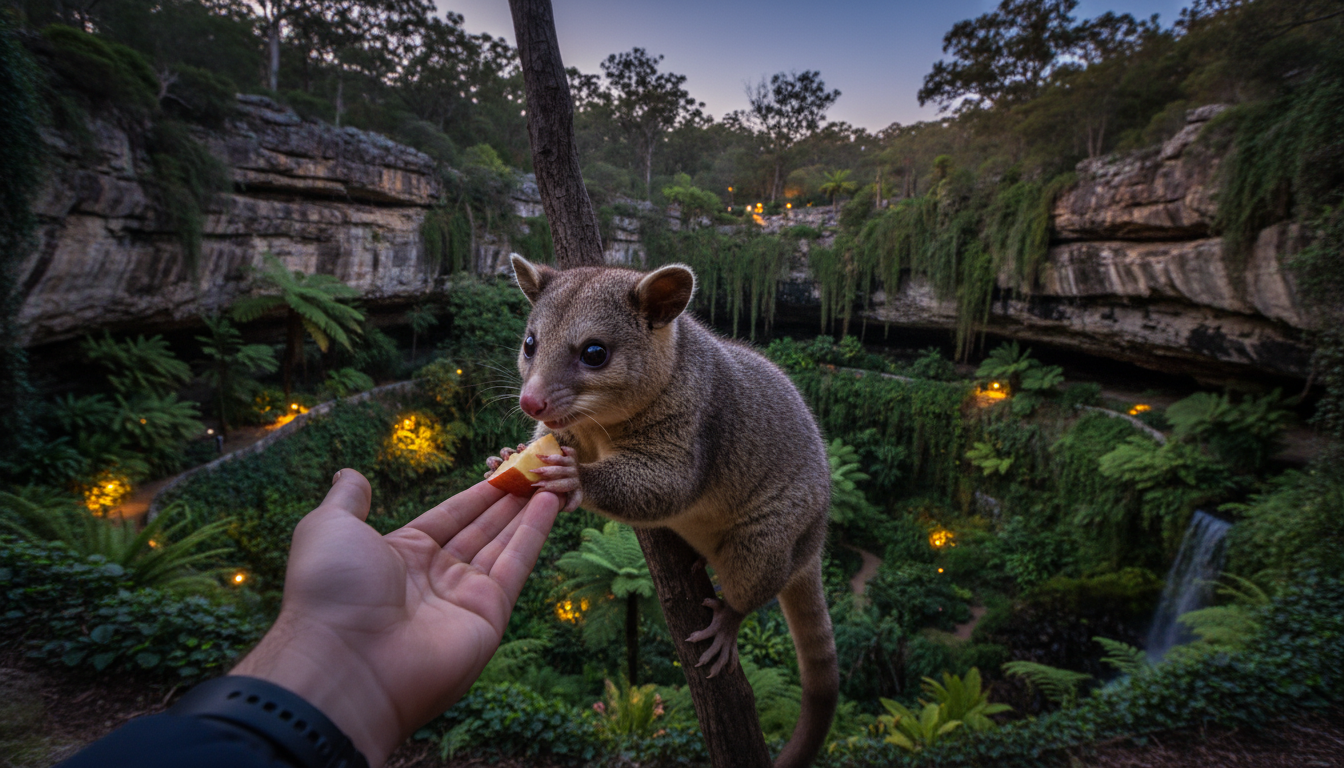
One of the most charming and unique experiences at the Umpherston Sinkhole occurs after dusk. As twilight descends, the garden comes alive with a different kind of magic. Local possums, drawn by the promise of fresh fruit, emerge from their daytime slumber to greet visitors. This nightly ritual is a delight for all ages and a heartwarming interaction with local wildlife.
I remember my first time participating in the possum feeding; it was an utterly enchanting experience. Armed with slices of apple, I watched as these curious marsupials cautiously approached, their bright eyes reflecting the dim garden lights. It was a gentle, respectful encounter, offering a unique opportunity to observe Australian wildlife up close in a natural setting.
The possums are quite accustomed to humans and will often take fruit directly from your hand, albeit very gently. This experience adds another layer of wonder to the sinkhole, transforming it from a beautiful garden into a living, interactive ecosystem. It's a perfect activity for families and anyone seeking a memorable, authentic wildlife encounter. The experience is usually free, relying on visitors' respect and the provision of suitable fruits (check local guidelines upon arrival).
Driving the Southern Way: A Step-by-Step Itinerary
While Mount Gambier itself is a treasure trove, the wider Limestone Coast region offers a wealth of experiences that complement a visit to its volcanic heart. To truly embrace the "step-by-step" journey and immerse yourself in South Australia's famous locations, I recommend a driving itinerary that weaves through its charming towns, pristine coastline, and renowned food and wine regions. This journey offers rich cultural exchange and personal discovery.
Day 1: Arrival in Mount Gambier & Blue Lake Immersion
Begin your adventure by arriving in Mount Gambier, settling into your accommodation. I’ve found that staying at a local B&B or a boutique hotel often provides a more authentic experience, allowing you to connect with local hospitality. After checking in, head straight to the Blue Lake for your first awe-inspiring view.
Spend the afternoon exploring the walking trails around the Blue Lake, taking in its various perspectives and learning about its geological and cultural significance from the interpretive signs. Don't forget to visit the Centenary Tower for panoramic views of the lake and the surrounding city. My own journey around the lake taught me to appreciate the subtle changes in light and shadow throughout the day.
In the evening, enjoy dinner at one of Mount Gambier's local restaurants, sampling regional produce. The Limestone Coast is known for its fresh seafood and excellent beef. Consider a leisurely meal, allowing yourself to soak in the local atmosphere.
Day 2: Sinkholes, Caves & Local Flavours
Start your day with a visit to the Umpherston Sinkhole Garden, exploring its terraced beauty in daylight. Afterward, venture to the nearby Cave Garden (also known as Thugi), another impressive sinkhole located right in the heart of the city. This particular sinkhole is accessible via stairs and offers a unique perspective on the underground water systems.
For a deeper dive into the region's subterranean wonders, visit Pencil Pine Cave or Engelbrecht Cave. These offer guided tours into stunning limestone formations, providing a fascinating glimpse into the intricate cave systems beneath the earth. It's an adventure that combines geology with a touch of spelunking, revealing the hidden beauty beneath our feet.
In the afternoon, explore Mount Gambier's town centre, browsing local shops and perhaps visiting the Main Corner Complex for art and history exhibits. Before dusk, return to the Umpherston Sinkhole for the magical night-time possum feeding experience, a perfect end to a day of exploration. This blend of natural wonder and cultural interaction is what makes travel so enriching.
Day 3: Coastal Charms & Coonawarra Wines
Today, broaden your horizons and explore the stunning coastline and renowned wine region north of Mount Gambier. Drive approximately an hour north to Robe, a picturesque coastal town known for its historic buildings, stunning beaches, and delicious seafood. Robe offers a charming blend of heritage and seaside relaxation.
Walk along Long Beach, visit the historic Cape Dombey Obelisk, and explore the town's boutique shops and art galleries. For lunch, indulge in fresh lobster or other local seafood at one of Robe's acclaimed eateries. I always seek out the freshest local catches, a true taste of the ocean.
From Robe, head inland to the famous Coonawarra wine region, about a 45-minute drive. Coonawarra is celebrated for its terra rossa soil, which produces some of Australia's finest Cabernet Sauvignon. Spend the afternoon visiting a few cellar doors, sampling award-winning wines and learning about the viticulture of the region. Many wineries offer guided tastings and insights into their winemaking processes, providing a rich cultural experience around food and drink.
Day 4: Beachport & Millicent Heritage
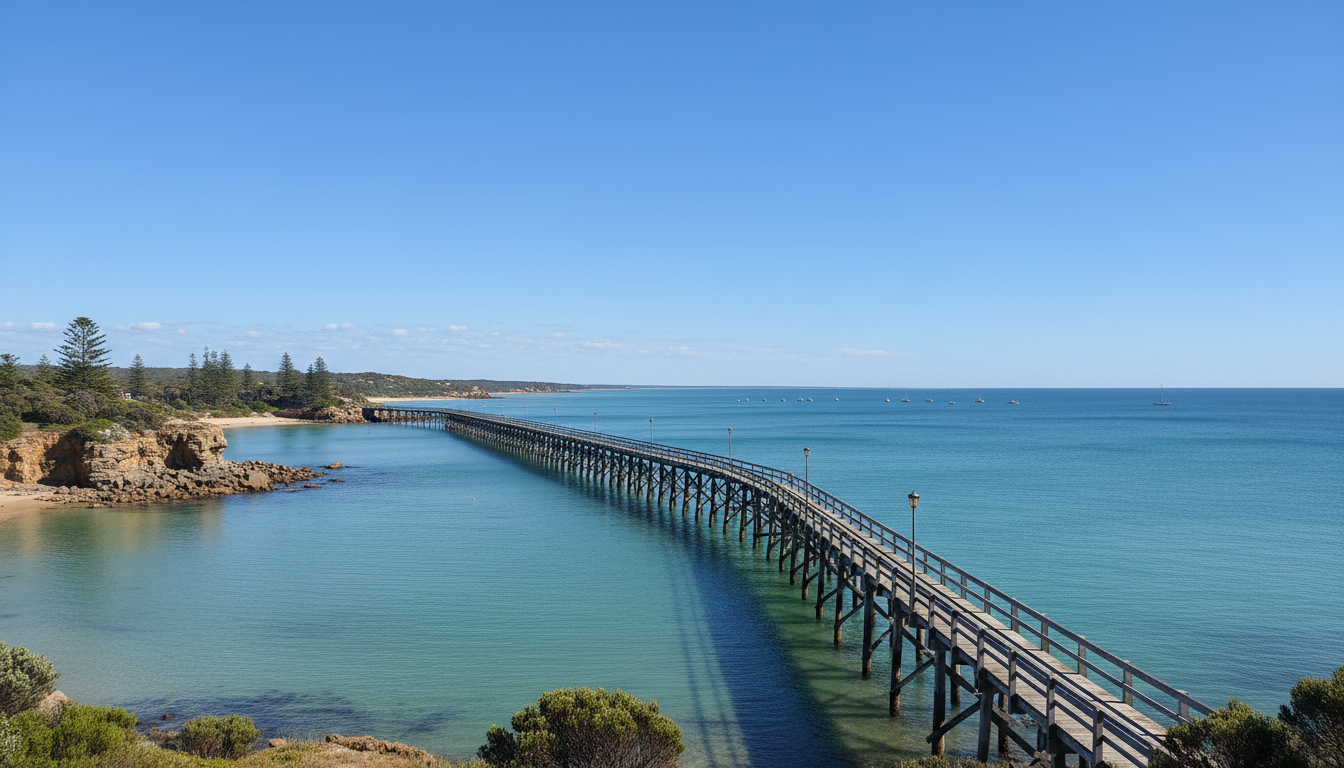
On your final full day, head south-west from Mount Gambier to explore more of the Limestone Coast's natural beauty and heritage. Your first stop should be Beachport, another charming coastal town, approximately 45 minutes drive away. Beachport boasts a beautifully preserved jetty, one of the longest in South Australia, perfect for a leisurely stroll or fishing.
Explore the Beachport Conservation Park, offering stunning coastal walks and opportunities for birdwatching. The rugged coastline here is breathtaking, with dramatic cliffs and pristine beaches. I find these less-trodden paths offer a profound sense of peace and connection with nature.
Continue your journey to Millicent, a significant service town in the region, about 20 minutes from Beachport. Visit the Millicent National Trust Museum to delve into the area's pioneering history and agricultural heritage. The museum provides an excellent insight into the lives of early settlers and the development of the region.
Consider a visit to the Canunda National Park near Millicent for more rugged coastal scenery and sand dunes, ideal for four-wheel driving or adventurous hikes. This park showcases the raw, untamed beauty of the South Australian coast. Enjoy a final regional meal in Millicent, perhaps at a local pub offering hearty, traditional fare.
Day 5: Departure
Enjoy a final South Australian breakfast before beginning your journey home or to your next destination. This comprehensive itinerary allows for a deep appreciation of Mount Gambier's volcanic wonders and the broader cultural and natural tapestry of the Limestone Coast. The memories of the vibrant Blue Lake and the unique sinkhole gardens will undoubtedly linger.
Throughout this journey, remember to engage with the local communities, sample the regional produce, and take the time to truly immerse yourself in each experience. The Limestone Coast is not just a collection of sights; it is a living, breathing region rich in stories, flavours, and unforgettable moments. This kind of authentic cultural travel is at the heart of MLIFEON’s mission, encouraging visitors to find "More Discovery, More Experience" in every step of their journey.
Conclusion
Mount Gambier, with its astonishing Blue Lake and enchanting Umpherston Sinkhole, stands as a truly unique jewel in South Australia’s crown of famous locations for travellers. It’s a destination that beautifully marries natural wonder with human history and cultural preservation, offering a profound journey of discovery for all who visit. The region provides a step-by-step exploration into the heart of a volcanic landscape, revealing layers of beauty and significance.
My experiences on the Limestone Coast have always been deeply rewarding, filled with moments of awe and quiet contemplation. From the vivid seasonal shift of the Blue Lake South Australia to the magical night-time possum feeding at the Umpherston Sinkhole, every aspect of Mount Gambier tourism offers an authentic and unforgettable encounter. It is a place that truly encourages you to pause, observe, and connect with the world around you.
For the culturally curious reader, especially those with Vietnamese-Australian connections, this region offers a chance to experience Australia’s diverse landscapes and rich heritage, fostering a deeper understanding of our shared planet and its many wonders. This journey is more than just a trip; it’s an invitation to explore, to learn, and to create enduring memories. We hope this guide inspires you to embark on your own "journey to unforgettable cultural stories and inspiring connections" along the stunning Limestone Coast.
Article URL Slug
The slug is auto-generated from the article title but can be edited for better SEO.
Preview URL: mlifeon.com/generating-18
Slug Best Practices:
- • Use lowercase letters, numbers, and hyphens only
- • Keep it short and descriptive (3-5 words)
- • Include target keywords when relevant
- • Avoid special characters and spaces
Multi-Language Translations
Translate this article to Vietnamese and Chinese using AI
How Translation Works:
- • Uses Google Gemini AI for natural, fluent translations
- • Preserves all Markdown formatting and image links
- • Optimizes SEO metadata for each language
- • Creates separate translation records linked to this article
- • Translations are stored in the database (not just cached)
Export Article JSON
ℹ️ The JSON file will be downloaded to your computer. Each format has a different structure optimized for its platform.
Publish to MLifeOn
📋 Publishing Activity Log
| Timestamp | Platform | Status | Category | API Endpoint | Message | Details |
|---|---|---|---|---|---|---|
| 2026-01-14 04:39:13 | MLIFEON | ✅ Success | travel |
http://localhost:8000/api/v1/agent/posts/
|
Article published successfully to MLifeOn |
Publishing Log Details - 2026-01-14 04:39:13Platform & StatusPlatform MLIFEON Status SUCCESS HTTP Status 201 Category travel API Endpointhttp://localhost:8000/api/v1/agent/posts/
MessageArticle published successfully to MLifeOn Full Response Data{'data': {'id': '48a1dd83-2d99-4392-a4d2-1ade6aa11931', 'url': 'https://mlifeon.com/articles/journey-to-the-heart-of-the-limestone-coast-mount-gambiers-volcanic-wonders-and-the-enigmatic-blue-lake', 'slug': 'journey-to-the-heart-of-the-limestone-coast-mount-gambiers-volcanic-wonders-and-the-enigmatic-blue-lake', 'title': "Journey to the Heart of the Limestone Coast: Mount Gambier's Volcanic Wonders and the Enigmatic Blue Lake", 'status': 'draft', 'created_at': '2026-01-14T04:39:11.195038+00:00', 'updated_at': '2026-01-14T04:39:11.195072+00:00', 'translations': {'en': "Journey to the Heart of the Limestone Coast: Mount Gambier's Volcanic Wonders and the Enigmatic Blue Lake", 'vi': 'Du hành vào lòng Limestone Coast: Mount Gambier – Những kỳ quan núi lửa và Hồ Xanh bí ẩn'}, 'dashboard_url': 'https://backend-v2.mlifeon.com/dashboard/posts/48a1dd83-2d99-4392-a4d2-1ade6aa11931/edit/'}, 'message': 'Bilingual article created successfully as draft', 'success': True}
|