Unearthing Saigon's Past: A Comprehensive Guide to South Vietnam's Historic Sites
Saigon, officially known as Ho Chi Minh City, pulsates with an undeniable energy. It's a city where the future rushes forward with gleaming skyscrapers and bustling markets, yet beneath this modern ve...
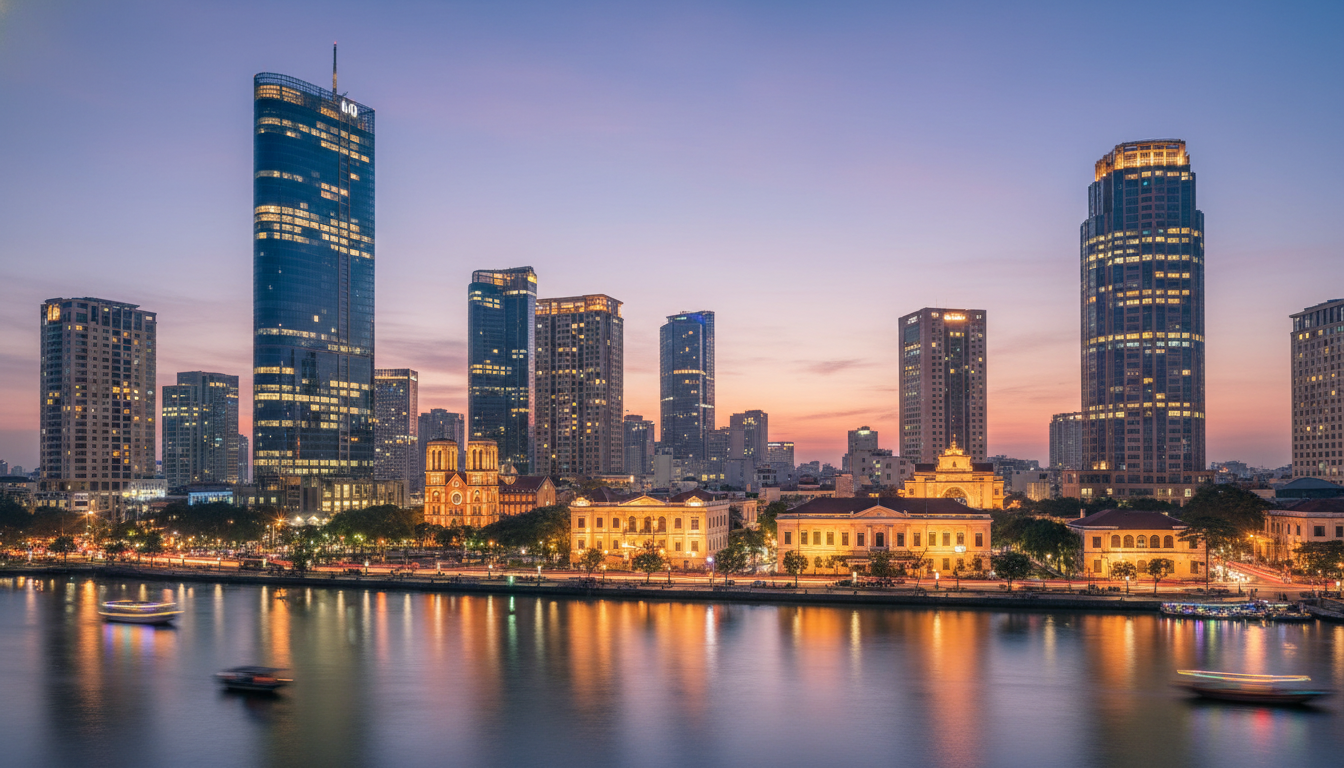
Saigon, officially known as Ho Chi Minh City, pulsates with an undeniable energy. It's a city where the future rushes forward with gleaming skyscrapers and bustling markets, yet beneath this modern veneer lies a rich tapestry of history, resilience, and profound cultural narratives. For the culturally curious traveler, particularly those with Vietnamese roots seeking to reconnect, Saigon is not merely a stopover; it is a vital hub for understanding South Vietnam's complex and compelling past.
My own journeys through Saigon have always been a blend of awe and introspection. Each visit reveals new layers, from the grandeur of French colonial architecture to the poignant remnants of wartime struggles, and the vibrant resilience of its people. This article serves as your comprehensive guide, offering practical tips and insights to navigate Saigon’s historic sites, ensuring a deeper, more meaningful connection with this remarkable city. We'll delve into its iconic landmarks, unearth hidden gems, and explore how its culinary scene intertwines with its storied past, making your exploration of South Vietnam's historic sites truly unforgettable.
Navigating the Historic District 1
District 1 is the vibrant heart of Ho Chi Minh City, a condensed open-air museum where significant chapters of South Vietnam's history are etched into its very architecture. It’s here that the French colonial legacy is most evident, gracefully coexisting with monuments commemorating pivotal moments of the 20th century. My first venture into this district felt like stepping onto a living historical stage, each building whispering tales of bygone eras.
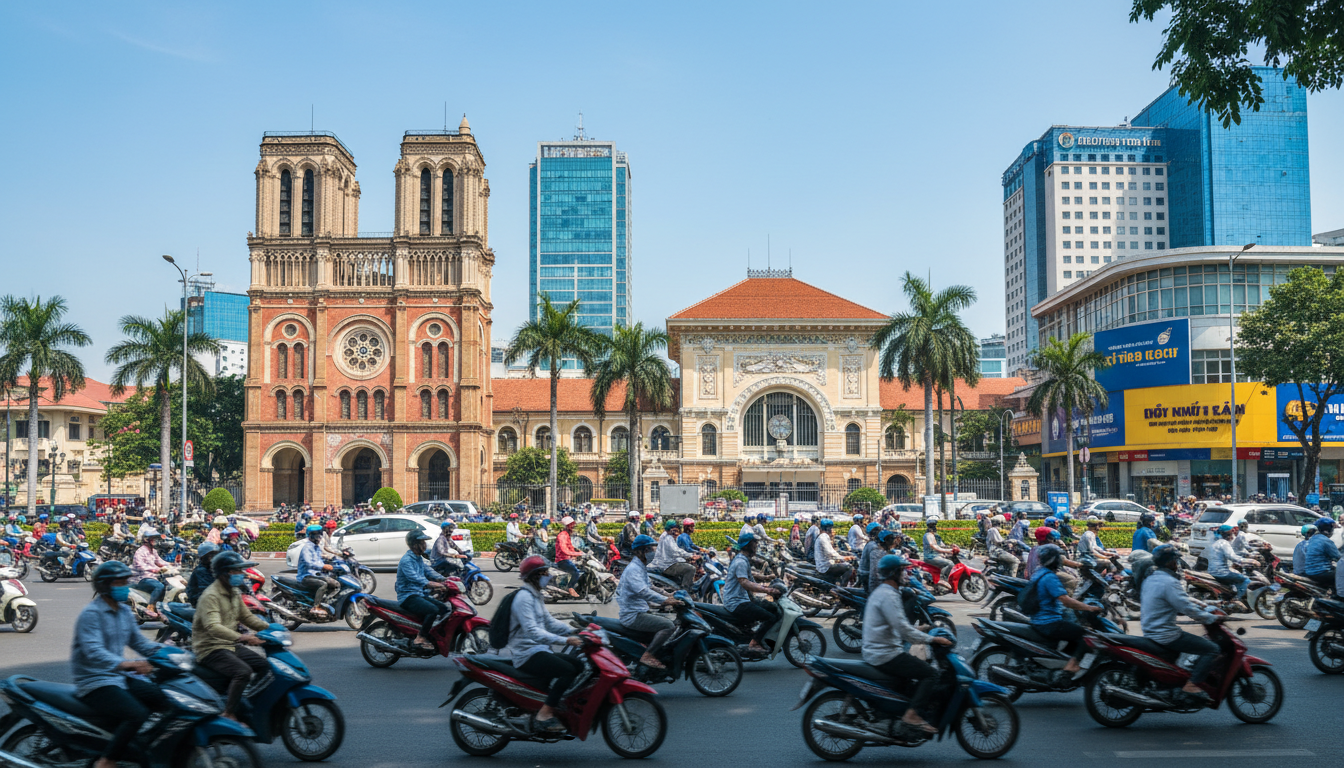
The Notre Dame Cathedral Basilica of Saigon stands as a testament to French ecclesiastical architecture, its red bricks imported directly from Marseille. Completed in 1880, it has witnessed over a century of Saigon's transformations, remaining a spiritual anchor for many. While often undergoing restoration, its exterior offers magnificent photo opportunities, especially in the early morning light before the city truly awakens.
Adjacent to the Cathedral is the Saigon Central Post Office, another stunning example of French colonial design, often attributed to Gustave Eiffel. Its grand, arched interior and ornate details still function as a bustling post office today, connecting the past with the present. I often find myself here, not just to admire the architecture, but to send a postcard home, a small, tangible link across continents.
A short walk away, the Independence Palace, also known as the Reunification Palace, stands as a symbol of South Vietnam's political history. This modernist masterpiece served as the home and workplace of the President of South Vietnam during the Vietnam War. Its preserved interiors, from the state rooms to the basement command center, offer a chillingly authentic glimpse into the final days of the conflict, a moment frozen in time on April 30, 1975.
No exploration of District 1's history would be complete without a visit to the War Remnants Museum. This institution provides a powerful, often confronting, perspective on the Vietnam War (referred to as the American War by Vietnamese). Its exhibits, featuring photographs, military hardware, and documented atrocities, are designed to evoke strong emotions and educate visitors on the devastating human cost of conflict. Preparing yourself emotionally before entering is advisable; it’s a challenging but essential experience for understanding modern Vietnamese history.
Rounding out the historic core is Ben Thanh Market, though primarily a bustling commercial hub, its iconic clock tower and colonial-era architecture mark it as a historical landmark in its own right. Established in 1870, it has been a central trading point for generations, offering a sensory overload of sights, sounds, and smells. While navigating the market, remember its enduring role as a meeting point and economic engine throughout Saigon's dynamic history.
Tips for Avoiding Crowds at Major Landmarks
Saigon's major historic sites, while undeniably captivating, can also be incredibly popular, drawing large crowds of tourists and locals alike. To truly absorb the atmosphere and appreciate the intricate details of these landmarks, strategic planning is key. My personal strategy, honed over several visits, often involves a bit of an early start.
The absolute best time to visit places like Notre Dame Cathedral, the Central Post Office, or even the Independence Palace for photography and a more serene experience is early mornings. Arriving just as they open, typically around 7:30 AM or 8:00 AM, allows you to capture stunning photos without throngs of people. The cooler temperatures are an added bonus, making walking between sites more comfortable. I vividly recall the difference between seeing Notre Dame at 7 AM, almost deserted, and returning at 10 AM to a sea of selfie-takers; the former allowed for true appreciation.
Late afternoons, closer to closing time, can also offer a reprieve from the midday rush. While the light might be less ideal for some photos, the reduced foot traffic allows for a more reflective pace. This timing can be particularly effective for the War Remnants Museum, where a quieter environment can enhance the profound impact of the exhibits.
Consider scheduling your visits on weekdays rather than weekends. Local families and domestic tourists often flock to these sites on Saturdays and Sundays, significantly increasing crowd density. If your itinerary permits, Monday through Friday offers a generally more relaxed experience. Even targeting lunch hours (around 12:00 PM to 1:30 PM) can provide a brief window of fewer people, as many tour groups and locals pause for a meal.
For those with flexible travel plans, visiting during off-peak or shoulder seasons (e.g., late spring or early autumn, avoiding major holidays like Tet) can dramatically reduce overall tourist numbers. While weather might be a consideration, the trade-off for a more intimate historical exploration is often worth it. Lastly, while guided tours offer convenience, sometimes independent exploration allows for greater flexibility in avoiding peak times at specific attractions, letting you linger or move on as you please, dictating your own pace through history.
Hidden History: Secret Weapons Cellars and Cafes
While the grand landmarks of District 1 offer a powerful overview, Saigon's history truly comes alive when you venture beyond the well-trodden paths. These lesser-known sites offer a more intimate, often startling, connection to the city's past, revealing stories of ingenuity, resilience, and quiet heroism. It’s in these hidden corners that I’ve felt the most profound sense of discovery, a real understanding of the city's soul.
One such experience is seeking out a Secret Weapons Cellar, often found in unassuming residential buildings or small alleyways. These clandestine bunkers played a critical role in the Tet Offensive of 1968, housing weapons and supplies right under the noses of the South Vietnamese and American forces. One notable example, often requiring a local guide or specific directions, is at 287/70 Nguyen Dinh Chieu Street in District 3. Standing in such a cellar, imagining the covert operations, sends shivers down your spine. It's a stark reminder of the ingenuity and bravery of those who fought for their cause, a truly off-the-beaten-path historical immersion.
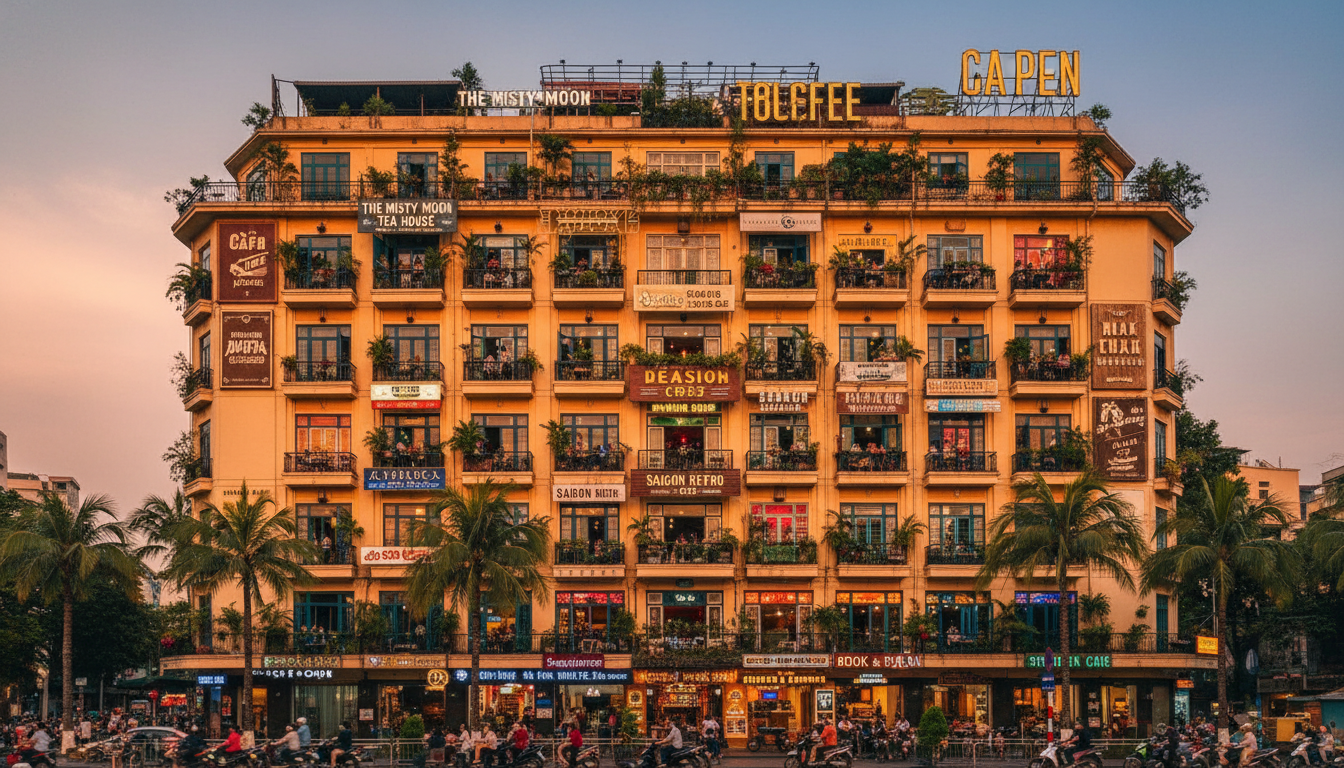
Another fascinating blend of history and contemporary culture is the Café Apartment Building at 42 Nguyen Hue Street. Once a residential block for government and military personnel during the war, this nine-story building now houses a vibrant collection of independent cafes, boutiques, and co-working spaces. While not a "secret" in the traditional sense, exploring its many floors, each with its own unique charm, offers a glimpse into Saigon’s evolving urban landscape while preserving the shell of its past. It's a testament to the city's ability to repurpose and rejuvenate, making history accessible and alive in a completely different way.
Beyond these, countless smaller pagodas and temples are tucked away in residential districts, often overlooked by mainstream tourism. Places like Giac Lam Pagoda in Tan Binh District, considered the oldest pagoda in Ho Chi Minh City, offer a serene escape and a deep dive into the city's spiritual history. Its intricate wood carvings, ancient statues, and peaceful courtyards tell tales that predate the colonial era, offering a continuous thread of Vietnamese cultural heritage. These sites are not just religious structures; they are living museums, preserving traditions and community spirit. Discovering these hidden gems often requires a sense of adventure and a willingness to wander, but the rewards are immeasurable, offering personal insights that go far beyond any guidebook.
Combining History with Gastronomy: The Opéra House District
The area surrounding the Saigon Opera House, often referred to as the Dong Khoi Street district, is a magnificent fusion of French colonial grandeur and vibrant Vietnamese life. This district is not just a showcase of architectural beauty; it's a culinary paradise where history is savored in every bite. My most cherished memories of Saigon often involve a delicious meal enjoyed in a setting steeped in history, truly bridging the past with the present.
The magnificent Saigon Opera House (Municipal Theatre), built in 1897, stands as an architectural jewel. Its ornate facade and grand interiors are a stunning reminder of the French influence on Saigon's cultural landscape. While primarily an entertainment venue today, catching a performance like the renowned A O Show within its walls is an experience that transports you back to a more elegant era, celebrating Vietnamese culture through a modern lens.
Dong Khoi Street, once the fashionable Rue Catinat, has been Saigon's premier commercial artery for over a century. Walking its length, you'll see a fascinating blend of historic hotels, luxury boutiques, and modern high-rises. It's a street that has witnessed dramatic shifts, from colonial elegance to wartime turmoil, and now, a resurgence of contemporary vibrancy. Exploring its side alleys often reveals hidden gems and stories.
The gastronomy in this district is exceptional, offering a spectrum from refined dining to authentic street food, all with historical echoes. Many fine dining restaurants are housed within beautifully restored colonial-era buildings, offering a taste of history alongside exquisite Vietnamese and international cuisine. Hotels like the Caravelle Saigon or the Park Hyatt Saigon, themselves historic landmarks, feature restaurants that evoke the glamour of a bygone era. Dining in such a setting feels like stepping into a historical narrative, where every dish tells a story.
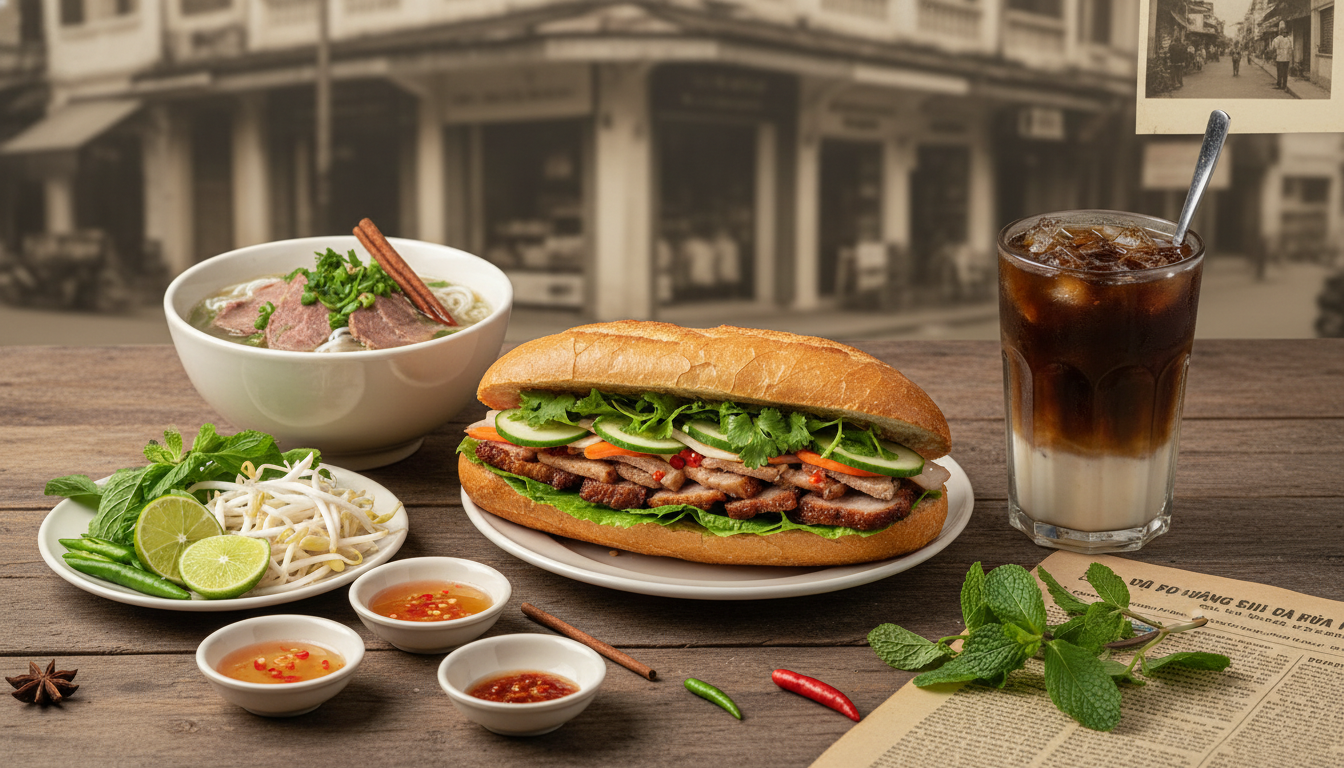
However, the true soul of Saigon's food scene, deeply rooted in history, lies in its street food. The aroma of Banh Mi, a culinary legacy of French colonialism (baguette) fused with Vietnamese flavors (pâté, cold cuts, fresh herbs), is ubiquitous. Similarly, a steaming bowl of Pho carries generations of culinary tradition, its broth perfected over decades. And Com Tam, broken rice served with various grilled meats and accompaniments, speaks to the resourcefulness and culinary ingenuity of the Vietnamese people. These dishes are not just food; they are living historical documents, evolving with the city.
No discussion of Saigon's gastronomy is complete without mentioning its café culture. The French introduced coffee, but the Vietnamese perfected it, creating unique beverages like cà phê sữa đá (iced coffee with condensed milk) and cà phê trứng (egg coffee). The Opéra House district is dotted with charming cafes, some in historic buildings, offering a perfect spot to people-watch and soak in the atmosphere. Sipping a rich Vietnamese coffee, you can almost feel the layers of history unfolding around you, a testament to the city's enduring cultural fusion.
Safety and Transport Tips for Historical Sightseeing
Exploring Saigon’s rich historical landscape is an incredibly rewarding experience, but like any bustling metropolis, it requires a degree of awareness and preparation. Ensuring your safety and navigating the city efficiently will significantly enhance your historical sightseeing journey. My early trips taught me a few valuable lessons, which I now happily share to help you avoid common pitfalls.
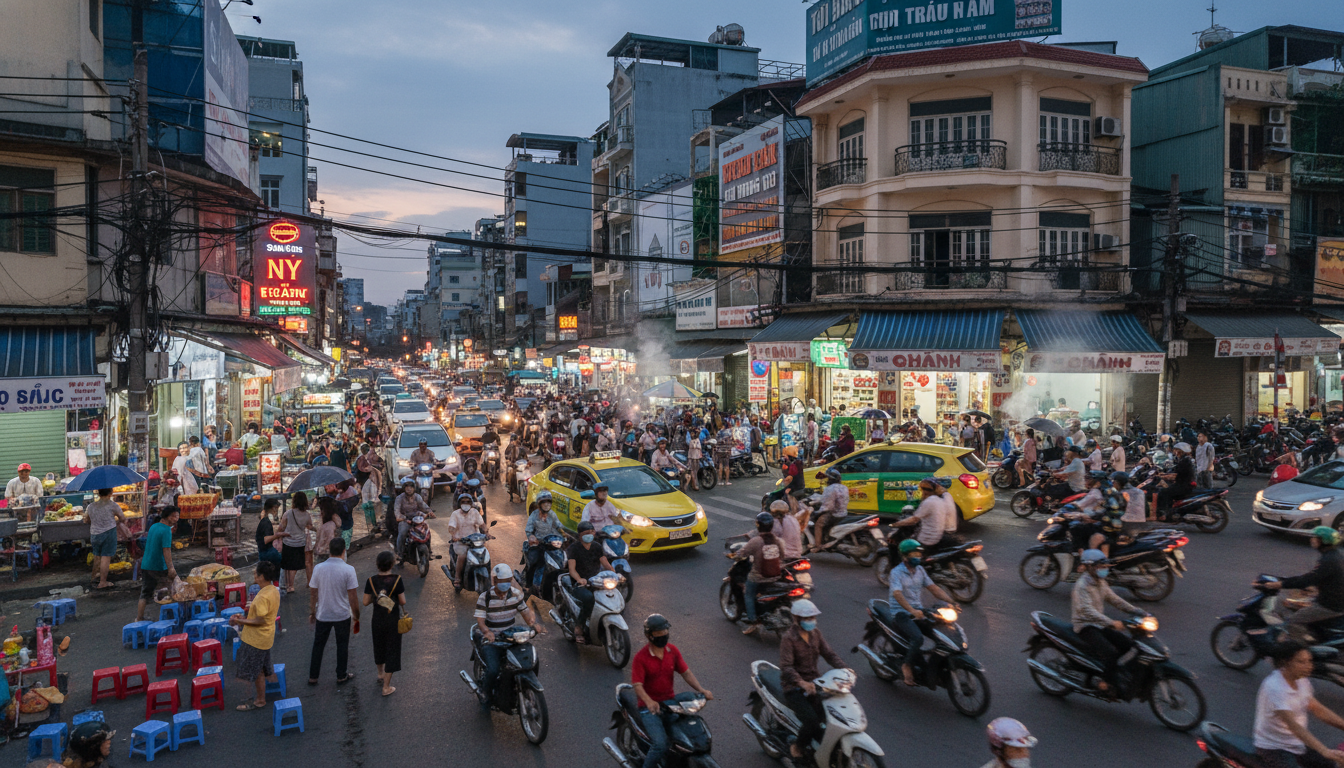
Transport in Ho Chi Minh City is predominantly dominated by motorbikes. While exhilarating, riding one can be daunting for newcomers. For safe and reliable transport, I highly recommend using ride-hailing apps like Grab or Gojek. These apps offer both motorbike (GrabBike, GoRide) and car services, with transparent pricing and GPS tracking, significantly reducing the risk of overcharging compared to hailing a traditional motorbike taxi or cyclo on the street. Always insist on wearing a helmet if you opt for a motorbike ride; it’s not just the law, it’s essential for your safety.
When walking around historical sites, especially in busy areas like District 1 or near markets, remain vigilant. Motorbikes often use pavements as extensions of the road, so always keep an eye out. Secure your belongings by wearing your bag across your body and keeping valuables out of sight. Pickpocketing, while not rampant, can occur in crowded tourist spots. Staying hydrated is also crucial due to Saigon's tropical climate; carry a water bottle, especially when exploring on foot for extended periods.
Be aware of common tourist scams. These can range from inflated prices for goods at markets (haggling is expected, but be firm) to "friendly" strangers offering unsolicited tours or trying to sell you things. A common one involves motorbike taxi drivers quoting exorbitant fares or taking circuitous routes. Again, using ride-hailing apps largely mitigates these issues. If something feels too good to be true, it probably is. Trust your gut instinct.
Respecting local etiquette is paramount, particularly when visiting religious sites like pagodas or temples. Dress modestly, covering your shoulders and knees, as a sign of respect. Always remove your shoes before entering. If you wish to photograph locals, especially in traditional settings, always ask for permission first. A simple gesture or a polite "Xin phép chụp ảnh?" (May I take a photo?) goes a long way.
Regarding currency, the Vietnamese Dong (VND) is the official tender. It's wise to carry smaller denominations for street food vendors, small shops, and tips, as larger notes can sometimes be difficult to break. ATMs are widely available, but inform your bank before traveling. While English is spoken in most tourist areas, learning a few basic Vietnamese phrases like "hello" (Xin chào), "thank you" (Cảm ơn), and "how much?" (Bao nhiêu?) will be greatly appreciated by locals and can enhance your interactions. My own experience with a slightly inflated taxi fare on my very first day in Saigon quickly taught me the value of pre-booking through an app; it removed all the stress and allowed me to focus on the incredible history around me.
Conclusion
Saigon, with its layers of history, cultural fusion, and indomitable spirit, offers an unparalleled journey for any traveler eager to delve into South Vietnam's past. From the majestic French colonial landmarks of District 1 to the poignant narratives held within its wartime museums, and the hidden stories whispered in its secret cellars, the city is a living, breathing testament to resilience and transformation. Each alleyway, every historic building, and indeed, every culinary delight, contributes to a rich tapestry that invites deeper exploration.
By embracing these tips – from strategic timing to avoid crowds, to venturing beyond the obvious for hidden gems, and savouring the gastronomic delights that intertwine with its historical evolution – you will unlock a more profound connection with this extraordinary city. Remember to navigate with awareness, respect local customs, and allow yourself to be immersed in the vibrant rhythm of Saigon life. This journey through its historic sites is not just about seeing monuments; it’s about experiencing the soul of a nation, understanding its complexities, and appreciating its enduring beauty.
As a seasoned traveler and storyteller, I can attest that Saigon rarely disappoints. It challenges, it educates, and it inspires. Your visit to South Vietnam’s historic sites in this dynamic hub will undoubtedly create unforgettable cultural stories and forge inspiring connections, truly living up to MLIFEON’s ethos: "More Discovery, More Experience."
Article URL Slug
The slug is auto-generated from the article title but can be edited for better SEO.
Preview URL: mlifeon.com/generating-87
Slug Best Practices:
- • Use lowercase letters, numbers, and hyphens only
- • Keep it short and descriptive (3-5 words)
- • Include target keywords when relevant
- • Avoid special characters and spaces
Multi-Language Translations
Translate this article to Vietnamese and Chinese using AI
How Translation Works:
- • Uses Google Gemini AI for natural, fluent translations
- • Preserves all Markdown formatting and image links
- • Optimizes SEO metadata for each language
- • Creates separate translation records linked to this article
- • Translations are stored in the database (not just cached)
Export Article JSON
ℹ️ The JSON file will be downloaded to your computer. Each format has a different structure optimized for its platform.
Publish to MLifeOn
📋 Publishing Activity Log
| Timestamp | Platform | Status | Category | API Endpoint | Message | Details |
|---|---|---|---|---|---|---|
| 2026-01-14 06:20:19 | MLIFEON | ✅ Success | travel |
http://localhost:8000/api/v1/agent/posts/
|
Article published successfully to MLifeOn |
Publishing Log Details - 2026-01-14 06:20:19Platform & StatusPlatform MLIFEON Status SUCCESS HTTP Status 201 Category travel API Endpointhttp://localhost:8000/api/v1/agent/posts/
MessageArticle published successfully to MLifeOn Full Response Data{'data': {'id': '7b48ce4a-021c-4672-abb7-c35a0f7b380d', 'url': 'https://mlifeon.com/articles/unearthing-saigons-past-a-comprehensive-guide-to-south-vietnams-historic-sites', 'slug': 'unearthing-saigons-past-a-comprehensive-guide-to-south-vietnams-historic-sites', 'title': "Unearthing Saigon's Past: A Comprehensive Guide to South Vietnam's Historic Sites", 'status': 'draft', 'created_at': '2026-01-14T06:20:16.939233+00:00', 'updated_at': '2026-01-14T06:20:16.939246+00:00', 'translations': {'en': "Unearthing Saigon's Past: A Comprehensive Guide to South Vietnam's Historic Sites", 'vi': 'Khám phá quá khứ Sài Gòn: Cẩm nang toàn diện về các di tích lịch sử miền Nam Việt Nam'}, 'dashboard_url': 'https://backend-v2.mlifeon.com/dashboard/posts/7b48ce4a-021c-4672-abb7-c35a0f7b380d/edit/'}, 'message': 'Bilingual article created successfully as draft', 'success': True}
|