Beyond the Beaches: Unearthing Australia's Top End - Why Darwin Offers the Ultimate Cultural Adventure
As a seasoned traveler with a deep appreciation for authentic cultural narratives and untamed landscapes, I've journeyed across many corners of the globe. Yet, few places have captivated my spirit qui...
As a seasoned traveler with a deep appreciation for authentic cultural narratives and untamed landscapes, I've journeyed across many corners of the globe. Yet, few places have captivated my spirit quite like Australia's Top End, with Darwin as its vibrant heart. It's a region that defies the typical postcard-perfect image of Australia, offering something far richer and more profound.
For the culturally curious and the true adventurers among us, Darwin isn't just another tropical city; it's a gateway to an ancient land, a living historical document, and a culinary melting pot unlike any other. It’s a place where every sunset tells a story, every market stall sings a song of diversity, and the vast wilderness whispers tales millions of years old. This article delves into why Darwin and the Top End stand head and shoulders above other tropical Australian destinations, inviting you on a journey of deeper discovery and unforgettable experiences.
Tropical Australia: Darwin vs. The Rest
Australia's northern reaches boast an array of captivating tropical destinations, each with its own allure. From the sun-drenched beaches of Queensland to the rugged coastline of Western Australia, the choice for a tropical getaway often seems overwhelming. Yet, when you peel back the layers of popular tourism, Darwin emerges as a distinct and compelling contender, offering an experience that goes far beyond mere relaxation.
Cairns, with its proximity to the Great Barrier Reef, and Broome, famed for its pearling history and Cable Beach, often dominate the narrative of tropical Australia. However, Darwin presents a different proposition entirely: a vibrant frontier city leading to the wild, ancient, and culturally rich Top End. It’s a place for those who seek immersion, not just observation, a journey into the authentic soul of the continent.
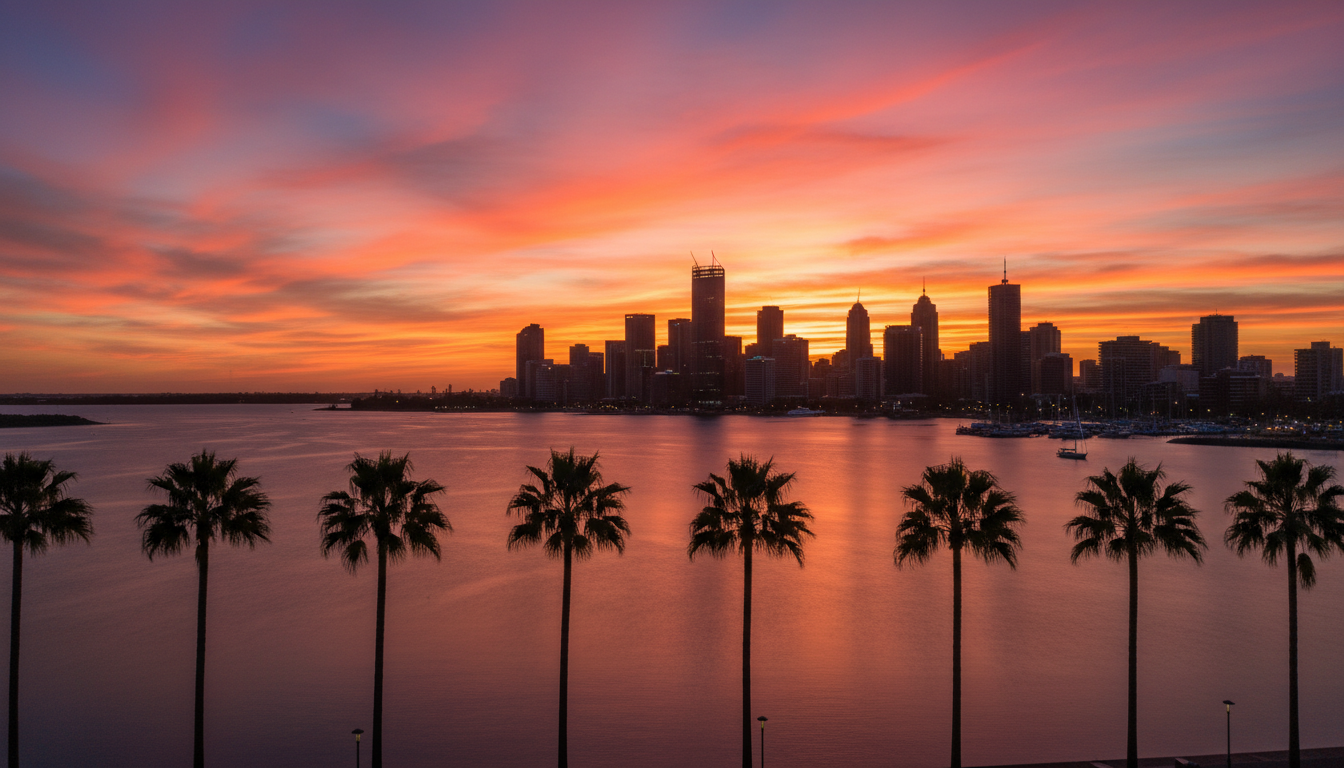
My own travels have taught me that true discovery lies beyond the well-trodden paths. While other tropical hubs cater to a more conventional resort-style holiday, Darwin offers an unfiltered glimpse into a unique confluence of Indigenous heritage, WWII history, Southeast Asian influences, and untamed natural beauty. It's an experience tailor-made for the thoughtful explorer, the one who values a story over a souvenir.
Darwin vs. Cairns
When travelers contemplate a tropical Australian escape, Cairns often comes to mind first, and for good reason. It’s the undisputed hub for exploring the magnificent Great Barrier Reef and the ancient Daintree Rainforest, offering a suite of well-established tourist activities and resort accommodations. Cairns promises vibrant coral gardens and lush rainforest canopies, drawing millions to its natural wonders.
However, Darwin offers a profoundly different kind of tropical experience, one steeped in a unique blend of culture, history, and rugged wilderness that Cairns simply cannot replicate. While Cairns excels in showcasing marine and rainforest ecosystems, Darwin opens the door to the vast, culturally significant wetlands and savannahs of the Top End. It’s a distinction I've come to appreciate deeply, having spent time in both.
My experiences in Cairns, while awe-inspiring for their natural beauty, often felt geared towards a more traditional, high-volume tourism model. The focus is undeniably on the reef and the rainforest, with cultural experiences often secondary or packaged specifically for tourists. This approach, while efficient, can sometimes lack the organic depth that MLIFEON readers typically seek.
Darwin, by contrast, feels like a living, breathing testament to its multifaceted past and present. Its history as a strategic port during WWII is palpable, with historical sites and museums offering poignant insights into its resilience. I recall visiting the Darwin Military Museum, feeling the weight of history in every exhibit, a stark contrast to the more recreational focus often found elsewhere.
The cultural tapestry of Darwin is also far richer and more diverse than Cairns. As a gateway to the Indigenous heartlands of Kakadu and Arnhem Land, Darwin provides unparalleled access to ancient rock art, sacred sites, and living Indigenous cultures. This is not just a tour; it’s an opportunity for genuine engagement and learning, something deeply valued by those seeking meaningful connections.
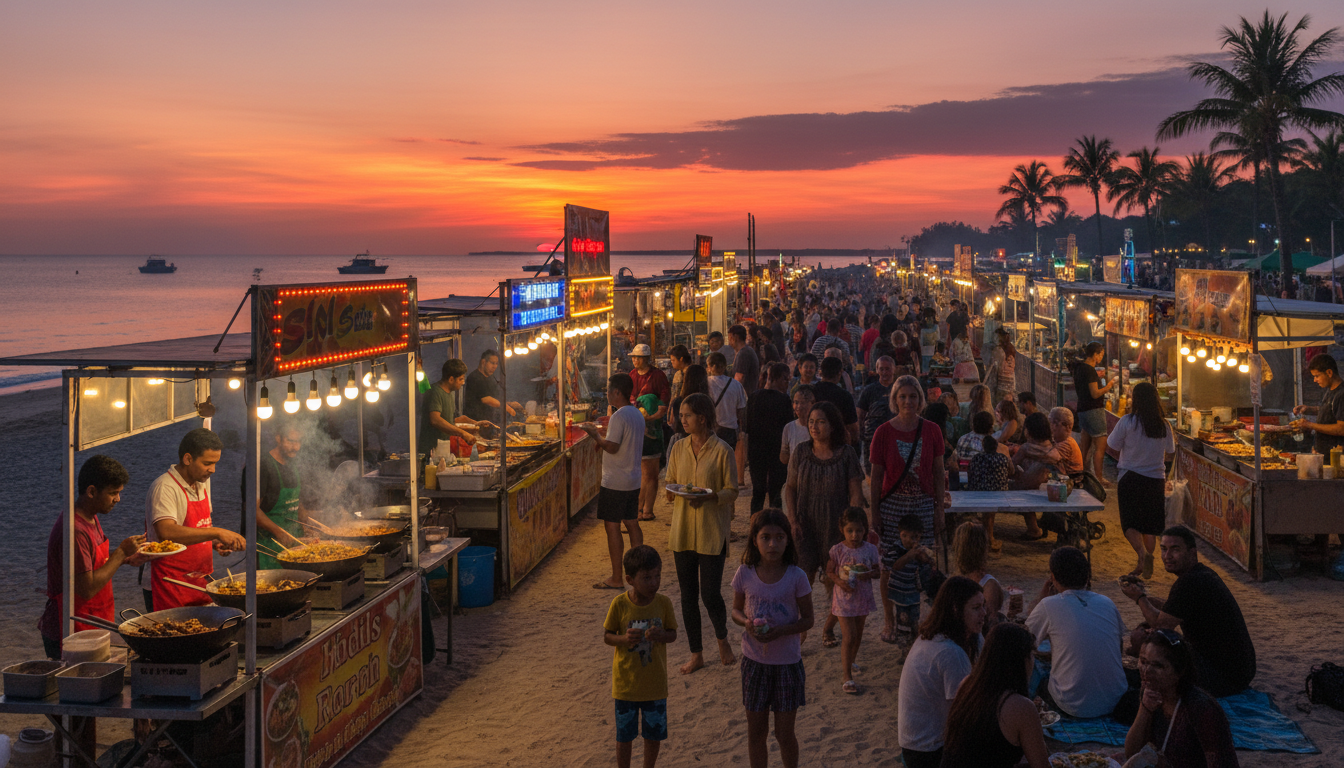
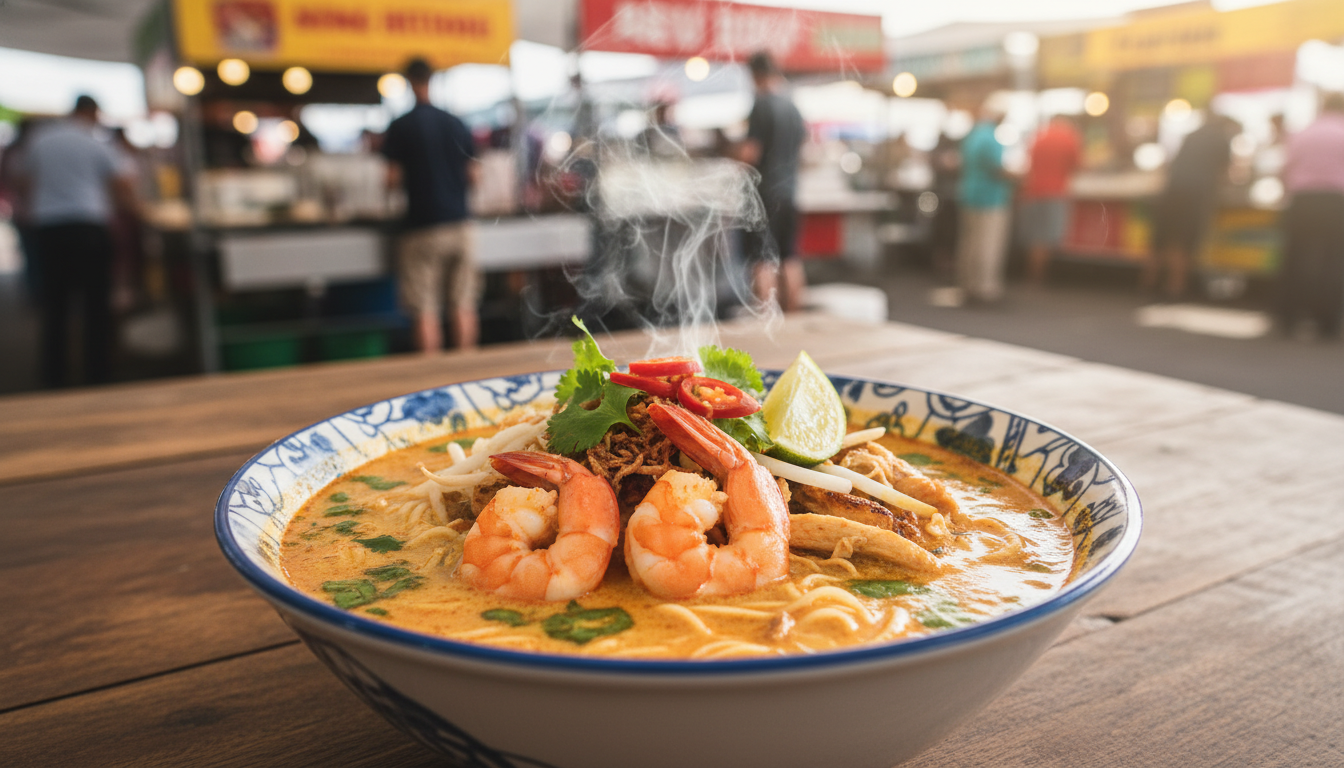
Furthermore, Darwin's proximity to Southeast Asia has forged a vibrant multicultural identity, particularly evident in its legendary food scene. The Mindil Beach Sunset Market, an iconic Darwin institution, is a sensory explosion of aromas, tastes, and sounds from across the globe. I vividly remember the first time I savored an authentic laksa there, surrounded by live music and the stunning tropical sunset – an experience far removed from any food court in Cairns.
The nature surrounding Darwin, too, offers a distinct character. While Cairns boasts rainforests, Darwin is the gateway to the stunning waterfalls, monsoon forests, and billabongs of Litchfield National Park, and the internationally significant wetlands of Kakadu. Here, you encounter saltwater crocodiles in their natural habitat, and witness birdlife found nowhere else, offering a wilder, more untamed natural immersion.
In essence, if Cairns is the polished jewel of Queensland's tourism crown, Darwin is the raw, multifaceted gem of the Northern Territory. It appeals to those who crave a deeper narrative, who want to understand the soul of a place, and who are prepared to venture beyond the conventional. For the culturally curious, Darwin offers a depth of experience that Cairns, for all its beauty, cannot match.
Darwin vs. Broome
Moving west, Broome, Western Australia, presents another captivating tropical alternative, renowned for its spectacular Cable Beach sunsets, rich pearling history, and a laid-back, almost luxurious, remote charm. Broome offers a unique blend of natural beauty and historical intrigue, drawing visitors seeking serene escapes and breathtaking coastal vistas. It’s a truly special place, particularly at dusk.
However, just as with Cairns, Darwin and the Top End offer a fundamentally different proposition, especially for those seeking a broader spectrum of cultural, historical, and natural exploration. While Broome’s appeal is undeniable, its focus is more niche, centered largely around its specific pearling heritage and the stunning, yet distinct, Kimberley landscape. Darwin, conversely, serves as a more expansive and diverse gateway to an entire region brimming with unique experiences.
My visits to Broome have always been characterized by a sense of tranquil beauty and a relaxed pace. The camel rides along Cable Beach at sunset are indeed iconic, and the town's pearling history provides a fascinating backdrop. Yet, the overall scale of cultural and historical offerings within Broome itself, and its immediate surrounds, is more contained than what Darwin presents.
Darwin, as a larger, more strategically important city, acts as a dynamic hub for a vast and incredibly diverse region. It’s not just about one iconic beach or one historical industry; it’s about a crossroads of cultures and histories that have shaped the entire Top End. The variety of culinary experiences, cultural festivals, and historical sites within Darwin’s urban fabric is significantly broader.
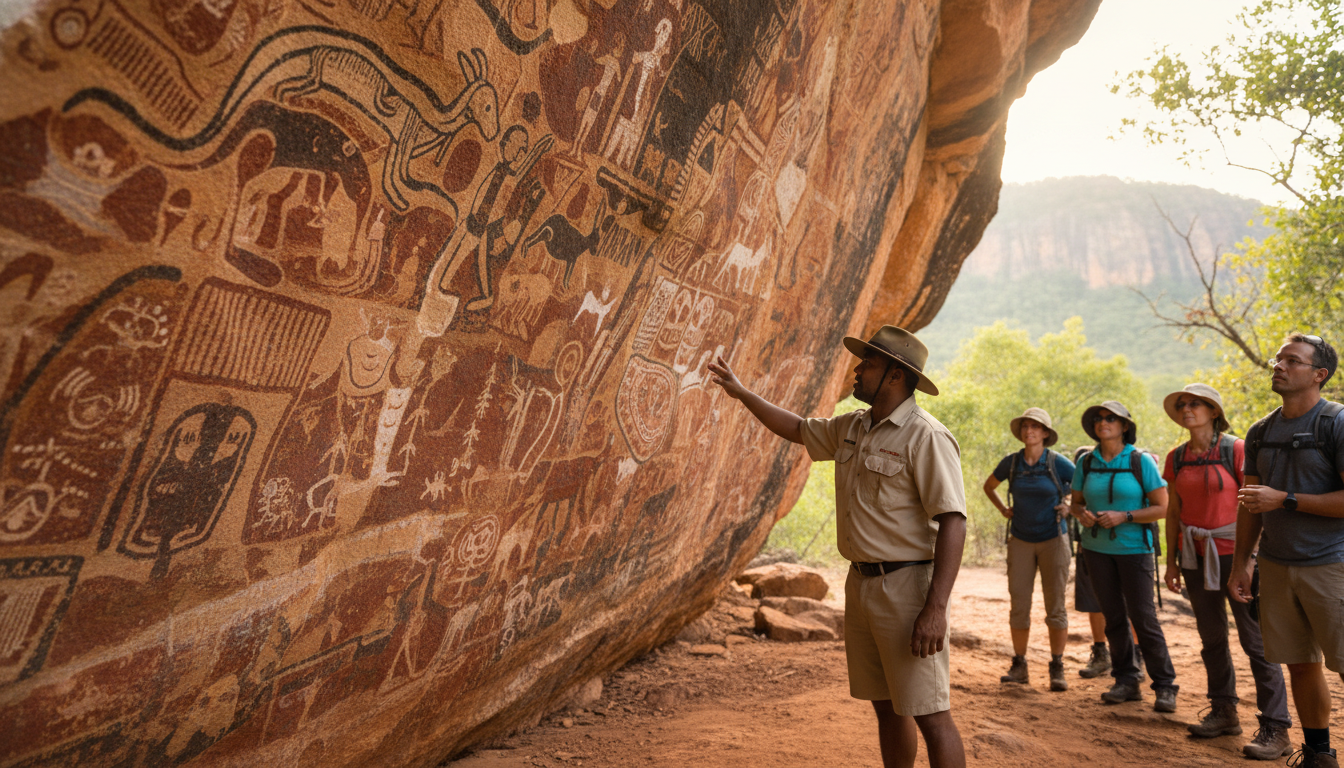
Consider the depth of Indigenous culture accessible from Darwin. While Broome offers glimpses into local Indigenous heritage, Darwin is the direct gateway to Kakadu National Park, a UNESCO World Heritage site recognized for both its natural and cultural values. Kakadu offers unparalleled access to ancient rock art galleries, some dating back tens of thousands of years, and opportunities to engage with traditional custodians. This level of ancient cultural immersion is a truly profound experience, one that resonates deeply with MLIFEON’s ethos.
Furthermore, Darwin’s historical narrative extends beyond pearling to encompass a pivotal role in Australia’s WWII defense. The remnants of its wartime past, from air raid shelters to the stories of resilience, add a layer of gravitas and historical depth that distinguishes it. This offers a different kind of historical journey compared to Broome's more singular focus on the pearling industry.
The natural landscapes accessible from Darwin are also more varied. While Broome is famed for its red earth and coastal beauty, the Top End offers a mosaic of wetlands, savannahs, monsoon forests, and magnificent waterfalls like those found in Litchfield National Park. The sheer biodiversity and the dramatic seasonal changes in the Top End present a different, arguably wilder, natural experience. I remember swimming in the pristine pools of Litchfield, surrounded by lush greenery, feeling a connection to the ancient land that felt incredibly vital.
In summary, while Broome offers a beautiful, relaxed, and historically specific retreat, Darwin provides a more expansive, dynamic, and culturally complex adventure. For travelers seeking a destination that offers a broader palette of authentic cultural encounters, historical insights, and diverse natural wonders, Darwin serves as the quintessential gateway to Australia’s untamed heart. It truly is a launching pad for a journey of extensive discovery.
The Unique Appeal of the Top End Gateways
The true magic of Darwin lies not just in the city itself, but in its unparalleled role as a gateway to Australia's extraordinary Top End. This vast, ancient landscape is a treasure trove of experiences that resonate deeply with the culturally curious, offering an authentic connection to Australia’s Indigenous heritage, a profound historical narrative, and a natural environment unlike any other. It is here that the MLIFEON tagline – "Your journey to unforgettable cultural stories and inspiring connections. More Discovery, More Experience" – truly comes to life.
One of the Top End's most compelling appeals is its status as a cultural melting pot. Darwin, in particular, has always been a strategic port, attracting people from across Asia, Europe, and, of course, Indigenous Australians for millennia. This rich confluence is evident in every facet of the city, from its diverse population to its vibrant festivals and world-class culinary scene. Walking through Darwin's CBD, I've often felt a symphony of languages and seen a fusion of architectural styles, a testament to its vibrant history as a trade hub.
The Indigenous heritage of the Top End is arguably its most significant draw. Kakadu National Park, a dual World Heritage-listed site, offers an unparalleled opportunity to explore ancient rock art galleries, some dating back 50,000 years, making them among the oldest and best-preserved in the world. Engaging with Indigenous guides, learning about their deep connection to country, and understanding their complex spiritual beliefs is a truly transformative experience. This is not superficial tourism; it’s an invitation to respectfully engage with one of the world's oldest living cultures.
Beyond Kakadu, the Top End is steeped in the stories and traditions of various Indigenous language groups. Places like Arnhem Land, though requiring special permits, offer even deeper immersion into traditional life and art. Even in Litchfield National Park, the stunning natural beauty is often intertwined with local Indigenous stories and significance, adding layers of meaning to every waterfall and rock formation.
The WWII history of Darwin adds another profound layer to its character. As the only Australian city to suffer sustained enemy attacks during the war, Darwin holds a unique place in the nation’s memory. Visiting the various historical sites, from the Darwin Military Museum to the oil storage tunnels, offers a poignant and educational experience. It’s a stark reminder of resilience and sacrifice, providing a historical depth that is truly distinct from other tropical destinations.
Then there is the untamed nature of the Top End. This is a land of dramatic monsoon seasons, vast wetlands teeming with birdlife, and the iconic saltwater crocodile. Kakadu's floodplains, Litchfield's crystal-clear waterfalls, and the Adelaide River's jumping crocodile cruises offer thrilling and unique wildlife encounters. It’s a landscape that is both majestic and formidable, constantly reminding you of the raw power of nature. I remember cruising the Yellow Water Billabong in Kakadu, surrounded by thousands of birds, watching crocodiles glide silently through the water – a truly immersive wildlife spectacle.
The festivals and events in Darwin further highlight its unique appeal. The Darwin Festival, a vibrant celebration of arts and culture, brings the city alive with music, theatre, and visual arts. The Mindil Beach Sunset Market, as mentioned, is more than just a market; it's a cultural institution where global cuisines meet local crafts, all set against a breathtaking sunset. These events are not just for tourists; they are integral to the local community's identity, offering genuine insights into Darwin's multicultural heart.
Finally, the food scene in Darwin is a direct reflection of its diverse population and geographical location. With strong influences from Southeast Asia, combined with fresh local seafood and produce, Darwin offers a culinary journey that is both exciting and authentic. From the famous Darwin laksa, a dish that has become synonymous with the city, to fresh barramundi caught that day, the flavors are bold and unforgettable. It's a place where every meal tells a story of migration, adaptation, and local bounty.
Cost and Accessibility Comparison
Embarking on a journey to Australia's Top End is an investment in unparalleled experiences, but understanding the practicalities of cost and accessibility is crucial for planning. When comparing Darwin with Cairns and Broome, several factors come into play, influencing budgets and travel logistics. These considerations are particularly relevant for MLIFEON's culturally curious audience, who prioritize value in discovery and experience.
Flights and Accessibility:
Direct flights to Darwin (DRW) are available from major Australian cities like Sydney, Melbourne, Brisbane, Adelaide, and Perth. While the frequency might be slightly less than to Cairns (CNS) from some eastern states, direct connections are consistent. For Vietnamese-Australian travelers, this often means a single domestic connection after an international flight, making it relatively straightforward. Cairns generally boasts more international connections and slightly higher domestic flight frequencies due to its established global tourism appeal. Broome (BME), being more remote, typically has fewer direct flights, primarily from Perth, making it potentially more costly and less accessible for those not starting their journey in Western Australia.
Accommodation:
Darwin offers a good range of accommodation options, from budget-friendly hostels and motels to mid-range hotels and luxury waterfront apartments. Prices can fluctuate seasonally, with the dry season (May to October) being peak. Cairns has a similar, if not wider, array of options, including many large resorts catering to mass tourism. Broome tends to be on the higher end, with boutique hotels and resorts often commanding premium prices due to its more exclusive, remote appeal. For those seeking authentic stays, Darwin also has unique options like boutique hotels that reflect its historical character.
Tours and Activities:
This is where the investment in Darwin truly shines for the experiential traveler. While initial tour costs for multi-day trips to Kakadu or Arnhem Land might appear significant, they represent access to world-heritage sites, expert Indigenous guides, and remote wilderness experiences that are truly priceless. A week-long Kakadu tour, including permits, accommodation, and guided cultural experiences, offers an invaluable return in terms of deep cultural understanding and natural immersion. Compare this to the cost of multiple reef trips and rainforest tours from Cairns, or pearling tours and resort stays in Broome. Each offers value, but Darwin's tours provide a different kind of enrichment.
Self-Drive vs. Guided Tours:
The Top End is incredibly conducive to self-drive adventures, particularly during the dry season. Renting a 4WD opens up access to many national parks like Litchfield and parts of Kakadu, offering flexibility and potentially reducing costs for families or groups. This contrasts with Cairns where many reef activities require boat tours, or Broome where the iconic Cable Beach is easily accessible but exploring the wider Kimberley often requires specialized tours. However, for a truly immersive Indigenous cultural experience in the Top End, particularly in restricted areas like Arnhem Land or for deeper insights in Kakadu, joining a guided tour led by local Indigenous people is highly recommended and worth the investment. It ensures respectful engagement and unparalleled knowledge sharing.
Industry Trends: Sustainable and Experiential Tourism:
Darwin and the Top End are perfectly positioned to capitalize on growing industry trends towards sustainable, experiential, and culturally immersive tourism. There's a noticeable shift away from superficial sightseeing towards genuine engagement with local cultures, nature, and history. Indigenous-owned and operated tourism businesses are flourishing, offering authentic experiences that prioritize cultural preservation and community benefit. This trend aligns perfectly with MLIFEON’s mission and the discerning traveler’s desire for meaningful connections. The Northern Territory tourism board actively promotes responsible travel, encouraging visitors to respect Indigenous lands and customs, ensuring the longevity of these unique experiences.
For instance, I've personally found that while a self-drive trip through Litchfield National Park is glorious, taking a specialized Indigenous-led tour in Kakadu elevated my understanding of the landscape and its ancient stories to an entirely different level. The additional cost was justified by the invaluable insights and the direct contribution to local communities. This balance of cost, accessibility, and profound experiential value makes Darwin a truly compelling choice.
Conclusion: Why Darwin Wins for Adventurers
My travels have taught me that the most rewarding journeys are those that challenge perceptions, deepen understanding, and leave an indelible mark on the soul. While Australia boasts many breathtaking tropical destinations, Darwin and the Top End offer an experience that transcends the conventional, appealing directly to the heart of the culturally curious adventurer. It is a place where every corner turned reveals a new story, every sunset paints a canvas of history, and every encounter fosters a deeper connection to this ancient land.
Darwin is not just a city; it is a living, breathing testament to resilience, diversity, and the enduring spirit of Australia. Its unique blend of Indigenous heritage, poignant WWII history, vibrant multiculturalism forged by its proximity to Southeast Asia, and access to untamed, world-heritage-listed wilderness creates an unparalleled tapestry of experiences. This is a destination for those who seek more than just a holiday; it is for those who crave discovery, connection, and an unfiltered glimpse into Australia's ancient, beating heart.
While Cairns offers the wonders of the Great Barrier Reef and Daintree, and Broome provides serene pearling history and stunning coastal beauty, neither can rival the sheer depth and breadth of cultural, historical, and natural immersion that Darwin and its Top End gateways provide. From the spiritual resonance of Kakadu's rock art to the vibrant sensory explosion of Mindil Beach Market, from the dramatic waterfalls of Litchfield to the poignant relics of wartime Darwin, every experience here is rich with meaning.
For the readers of MLIFEON, those who value authentic cultural stories and inspiring connections, Darwin is not merely a choice; it is a calling. It invites you to step beyond the familiar, to engage with ancient traditions, to witness nature in its rawest form, and to be part of a narrative that is both deeply Australian and wonderfully global. Embrace the untamed spirit of the Top End, and embark on a journey that promises not just sights, but profound experiences that will resonate long after you return home.
Article URL Slug
The slug is auto-generated from the article title but can be edited for better SEO.
Preview URL: mlifeon.com/generating-154
Slug Best Practices:
- • Use lowercase letters, numbers, and hyphens only
- • Keep it short and descriptive (3-5 words)
- • Include target keywords when relevant
- • Avoid special characters and spaces
Multi-Language Translations
Translate this article to Vietnamese and Chinese using AI
How Translation Works:
- • Uses Google Gemini AI for natural, fluent translations
- • Preserves all Markdown formatting and image links
- • Optimizes SEO metadata for each language
- • Creates separate translation records linked to this article
- • Translations are stored in the database (not just cached)
Export Article JSON
ℹ️ The JSON file will be downloaded to your computer. Each format has a different structure optimized for its platform.