Australia’s Top End is a realm where ancient landscapes whisper stories of creation, where vibrant cultures thrive amidst breathtaking natural beauty, and where history, both ancient and recent, profoundly shapes the present. It’s a destination that calls to the soul of the culturally curious traveler, promising not just sights, but deep, transformative experiences. As someone who has traversed these lands multiple times, each journey has unveiled new layers of wonder and connection.
This isn't merely a trip; it's an odyssey into the heart of Aboriginal Australia, a journey through wetlands teeming with life, past cascading waterfalls, and into a region that fiercely guards its unique identity. For those seeking to venture beyond the conventional, to truly immerse themselves in a place where the spiritual and the natural intertwine, the Top End offers an unparalleled adventure. This comprehensive 10-day step-by-step guide is designed to help you navigate Darwin and its iconic gateways – Litchfield, Kakadu, and Nitmiluk National Parks – ensuring you unlock the most authentic and unforgettable cultural stories.
The Ultimate Top End Loop
Embarking on a self-drive loop through the Top End is, in my professional experience, the most rewarding way to explore this vast and diverse region. It grants you the freedom to linger longer at a site that captivates you, to chase a sudden sunset view, or to simply absorb the profound silence of ancient lands at your own pace. This carefully crafted itinerary takes you from the bustling, multicultural hub of Darwin into the refreshing waterfalls of Litchfield, through the ancient art galleries and wetlands of Kakadu, and finally to the dramatic gorges of Nitmiluk.
The beauty of this loop lies in its incredible diversity: from Darwin's cosmopolitan charm to Litchfield's accessible swimming holes, Kakadu's UNESCO World Heritage landscapes, and Nitmiluk's spiritual waterways. Each leg of the journey offers a distinct flavor of the Northern Territory, weaving together natural wonders with a rich tapestry of Indigenous heritage and pioneering history. Prepare for an adventure that will engage all your senses and leave an indelible mark on your understanding of Australia.
Days 1-3: Darwin City Immersion
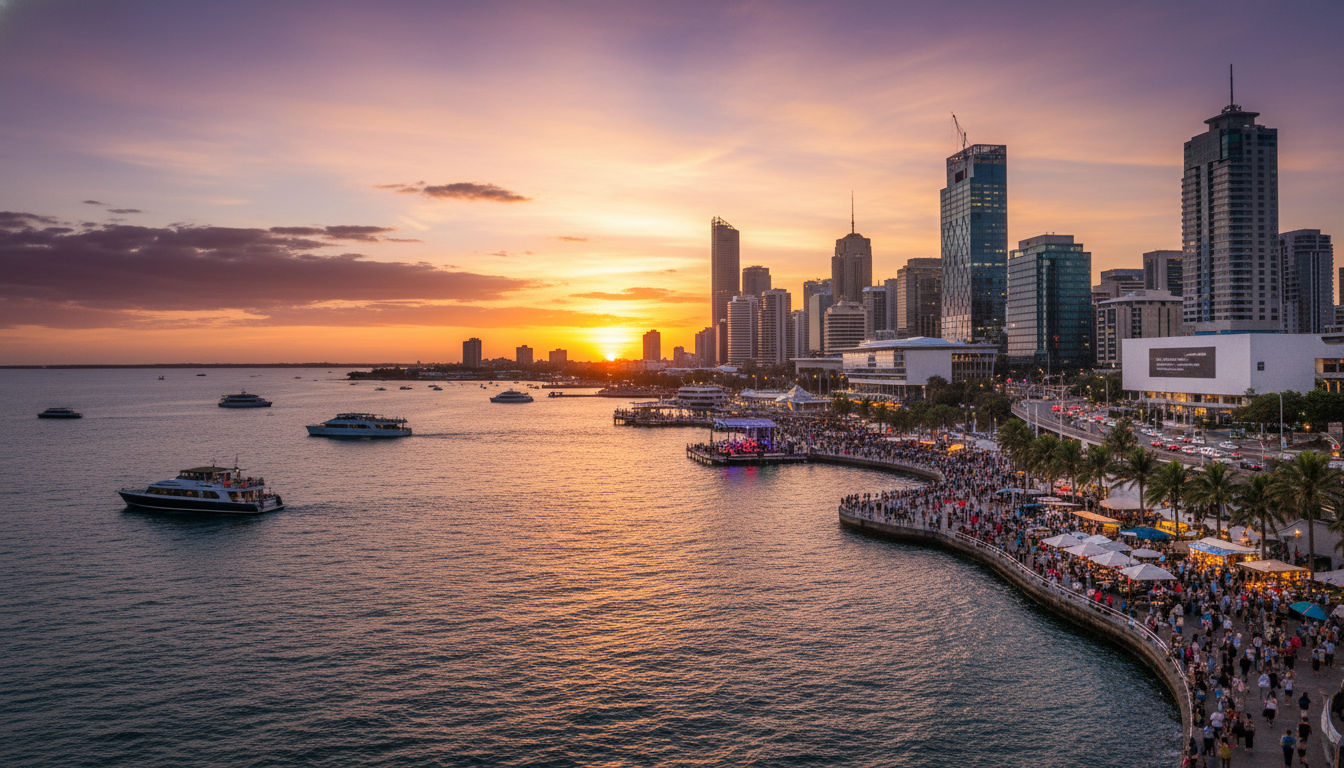
Darwin, the capital of the Northern Territory, is far more than just a gateway; it's a destination in itself, a melting pot of cultures, histories, and tropical charm. Having spent considerable time here, I can attest that its laid-back atmosphere belies a vibrant energy and a deeply moving past, from its resilience after Cyclone Tracy to its pivotal role in WWII. It's a city that invites you to slow down, explore, and connect.
Day 1: Arrival & Esplanade Charm
Upon your arrival at Darwin International Airport (DRW), collect your rental vehicle and make your way to your accommodation. I always recommend staying near the Esplanade or the Waterfront Precinct for easy access to key attractions and dining. The tropical air immediately embraces you, a sensory cue that you've arrived somewhere truly unique.
Begin your exploration with a walk along the scenic Darwin Esplanade, offering stunning views over the Timor Sea. In the afternoon, delve into history at the WWII Oil Storage Tunnels, a poignant reminder of Darwin's critical role during the war and its resilience. The cool, dark tunnels offer a stark contrast to the tropical heat outside, providing a powerful historical experience. As a history enthusiast, I find these sites incredibly impactful, connecting visitors directly to the sacrifices made in this remote corner of Australia.
As evening descends, head to the iconic Mindil Beach Sunset Market (operating Thursday and Sunday during the dry season, typically April-October). This market is a true feast for the senses, a vibrant celebration of Darwin's multiculturalism through an array of international cuisines, local crafts, and live music. My first encounter with a Darwin laksa here was a culinary revelation, showcasing the city's strong Southeast Asian influences. If it's not market night, the Darwin Waterfront Precinct offers excellent dining options with a relaxed, sophisticated ambiance.
Day 2: History, Art & Crocs
Start your day with an immersive visit to the Museum and Art Gallery of the Northern Territory (MAGNT). This institution offers profound insights into Cyclone Tracy, the region's diverse Aboriginal art, and its unique natural history. I always make a point to revisit the Cyclone Tracy exhibit; it's a powerful and humbling testament to human resilience in the face of nature's fury, perfectly encapsulating the spirit of Darwin.
For lunch, head to the historic Darwin Wharf Precinct, where you can enjoy incredibly fresh seafood with views of the harbour. This working port is a hive of activity and a great spot to soak in the maritime atmosphere. In the afternoon, embrace the thrill of the Top End at Crocosaurus Cove, an urban wildlife park that offers ethical and exciting interactions with Australia's most formidable reptiles. Here, you can safely observe saltwater crocodiles, learn about their behaviour, and even participate in a 'Cage of Death' experience for the truly brave.
As night falls, if visiting during the dry season, the Deckchair Cinema provides a magical outdoor movie experience under the stars, a uniquely Darwinian way to end the day. Alternatively, explore the lively Mitchell Street, known for its bars, restaurants, and vibrant nightlife. I particularly enjoy finding a quiet spot to reflect on the day, perhaps with a local craft beer, watching the world go by.
Day 3: Cultural Heart & Waterfront Delights
Dedicate your morning to the contemporary allure of the Darwin Waterfront Precinct. Here, you can cool off in the Wave Lagoon or the protected Recreation Lagoon, perfect for a refreshing swim or a leisurely paddle. It’s a beautifully designed urban space that seamlessly blends recreation with relaxation, making it a favorite for both locals and visitors. My own children absolutely loved the wave pool, a fantastic way to beat the tropical heat.
After a casual lunch at one of the Waterfront's many eateries, consider a deeper dive into Darwin's past at the Fannie Bay Gaol Museum. This former prison offers a chilling yet fascinating glimpse into the city's penal history, providing a stark contrast to the modern attractions. For art lovers, exploring Darwin's smaller local galleries can reveal emerging Indigenous and contemporary Northern Territory artists, offering unique pieces and stories.
For your final evening in Darwin, treat yourself to a memorable farewell dinner. Given MLIFEON’s focus, I highly recommend seeking out one of Darwin's excellent Vietnamese restaurants. The Vietnamese community has a long and rich history in Darwin, contributing significantly to its multicultural fabric and, crucially, its incredible culinary scene. Enjoying an authentic bowl of pho or a vibrant Vietnamese salad is a wonderful way to connect with this aspect of Darwin's heritage, reflecting the broader Vietnamese-Australian narrative.
- Tips for Darwin City Immersion:
- Accommodation: Book ahead, especially during the dry season (May-October), as Darwin can get busy.
- Transport: The city centre is walkable, but a car is useful for exploring further afield. Public buses are available.
- Dining: Be adventurous! Darwin's multicultural food scene is a highlight. Don't miss the Mindil Beach Sunset Market if your schedule aligns.
- Weather: Stay hydrated, wear sunscreen, and light clothing. The heat and humidity are constant companions.
Days 4-5: Litchfield's Wonders
Leaving Darwin, your adventure shifts gears towards the natural paradises that define the Top End. Litchfield National Park, a mere 1.5-hour drive south, offers a refreshing contrast to the city's urban energy with its pristine waterfalls, natural swimming pools, and remarkable termite mounds. It’s an accessible and utterly captivating introduction to the region’s natural beauty, a place I return to often for its sheer invigorating charm.
Day 4: Waterfalls & Termite Mounds
After stocking up on essentials in Darwin – water, snacks, and perhaps a picnic lunch – begin your drive to Litchfield. Your first stop should be the Magnetic Termite Mounds, an astounding feat of insect engineering. These towering, wedge-shaped structures are perfectly aligned north-south, a natural compass that helps regulate temperature inside the mounds. It’s a truly unique sight that never fails to impress me with the ingenuity of nature.
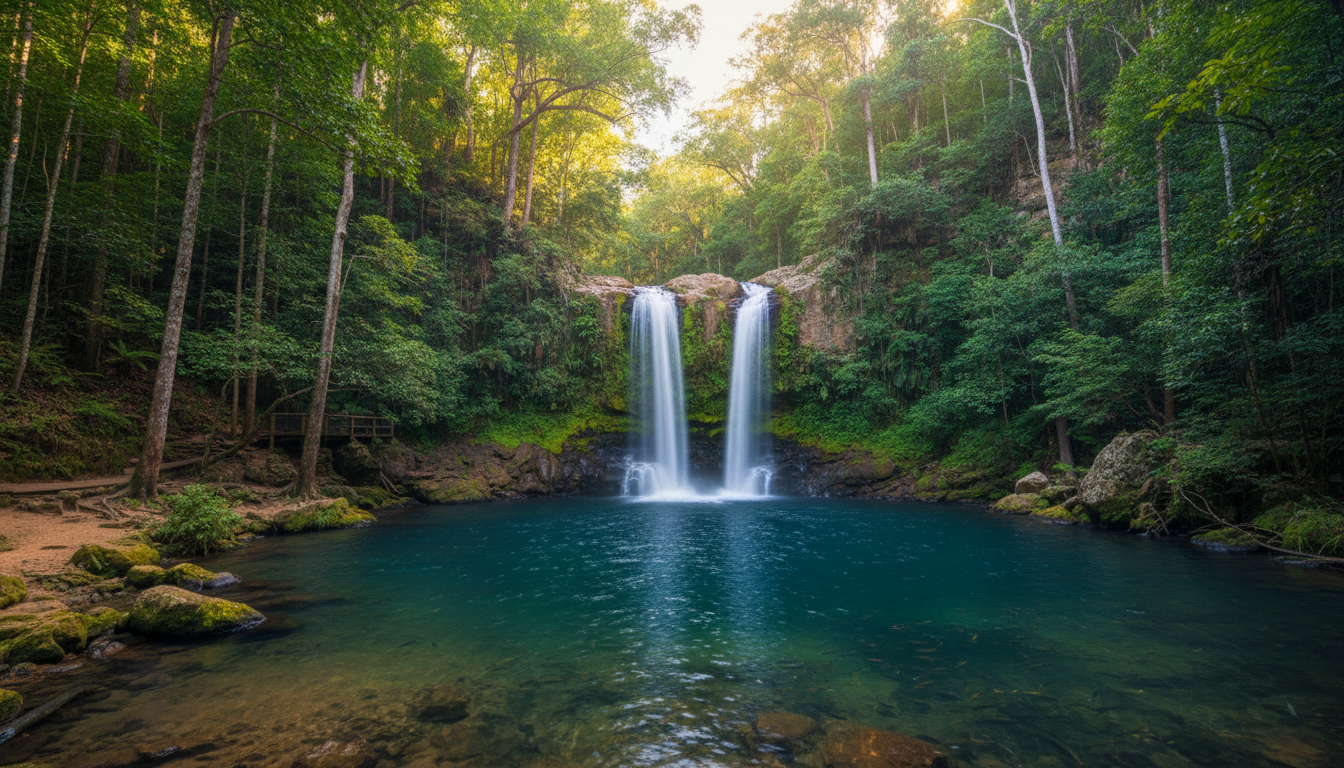
Next, continue to Florence Falls, one of Litchfield's most iconic waterfalls. A short, scenic walk leads you to a viewing platform, and a descent down many steps takes you to a beautiful plunge pool where you can swim beneath the cascading waters. The feeling of the cool, clear water after a walk in the tropical heat is pure bliss. Following this, visit Tolmer Falls, which offers a spectacular viewing platform over a dramatic waterfall and gorge, though swimming here is not permitted.
Conclude your day at Wangi Falls, perhaps the most famous and accessible swimming spot in Litchfield. With its large, clear plunge pool and ample picnic areas, it's the perfect place to relax and absorb the park's tranquil beauty. I've spent countless afternoons here, simply floating and listening to the sounds of the bush. Consider staying overnight at one of Litchfield's caravan parks or glamping sites to fully immerse yourself in the park's atmosphere.
Day 5: Buley Rockhole & Cascading Beauty
Start your second day in Litchfield with a visit to Buley Rockhole, a series of stunning cascading pools and natural spas. This spot is perfect for a leisurely morning, allowing you to move between different rock pools, finding your own private corner for a refreshing dip. It's less dramatic than the larger waterfalls but offers a more intimate and relaxing swimming experience.
Spend the late morning exploring more of Litchfield’s shorter walking tracks, perhaps discovering lesser-known cascades or simply enjoying the tranquil bushland. You might consider a detour to Berry Springs Nature Park on your way back towards the main highway, a beautiful oasis of clear spring-fed pools and shaded picnic areas, perfect for another refreshing swim. It's a fantastic place to unwind before continuing your journey.
In the afternoon, begin your drive towards the Kakadu region. While it’s possible to return to Darwin, I recommend positioning yourself closer to the Kakadu entrance, perhaps staying overnight in a town like Adelaide River or Pine Creek. This breaks up the long drive and sets you up perfectly for an early start into Kakadu National Park, ensuring you make the most of your time in this extraordinary wilderness.
- Tips for Litchfield's Wonders:
- Swimming Safety: Always check for signage regarding swimming conditions. Never jump into unknown waters.
- What to Pack: Water shoes are highly recommended for navigating rocky creek beds. Bring insect repellent, sunscreen, and plenty of water.
- Park Pass: Litchfield National Park does not require an entry fee, making it an accessible option.
- Vehicle: While many of Litchfield's main attractions are accessible by 2WD, a 4WD offers more flexibility, especially if you plan to explore less-trafficked areas.
Days 6-8: Deep Dive into Kakadu
Kakadu National Park is not just a national park; it's a living cultural landscape of unparalleled significance, a dual World Heritage-listed site for both its natural and cultural values. It’s a place where the earth breathes ancient stories, where Aboriginal people have lived continuously for at least 65,000 years, leaving an extraordinary legacy of rock art. As a writer focused on cultural heritage, Kakadu consistently humbles and inspires me with its profound sense of history and spirituality.
Day 6: Wetlands & Ancient Art
Embark on your journey to Kakadu National Park, approximately a 2.5 to 3-hour drive from Darwin. Upon arrival, purchase your Kakadu National Park pass online or at the Bowali Visitor Centre near Jabiru. This centre is an essential first stop, offering invaluable orientation, maps, and cultural insights into the Bininj/Mungguy people, the park's traditional owners. Take time to explore the interpretive displays; they set the stage for the deep cultural immersion to come.
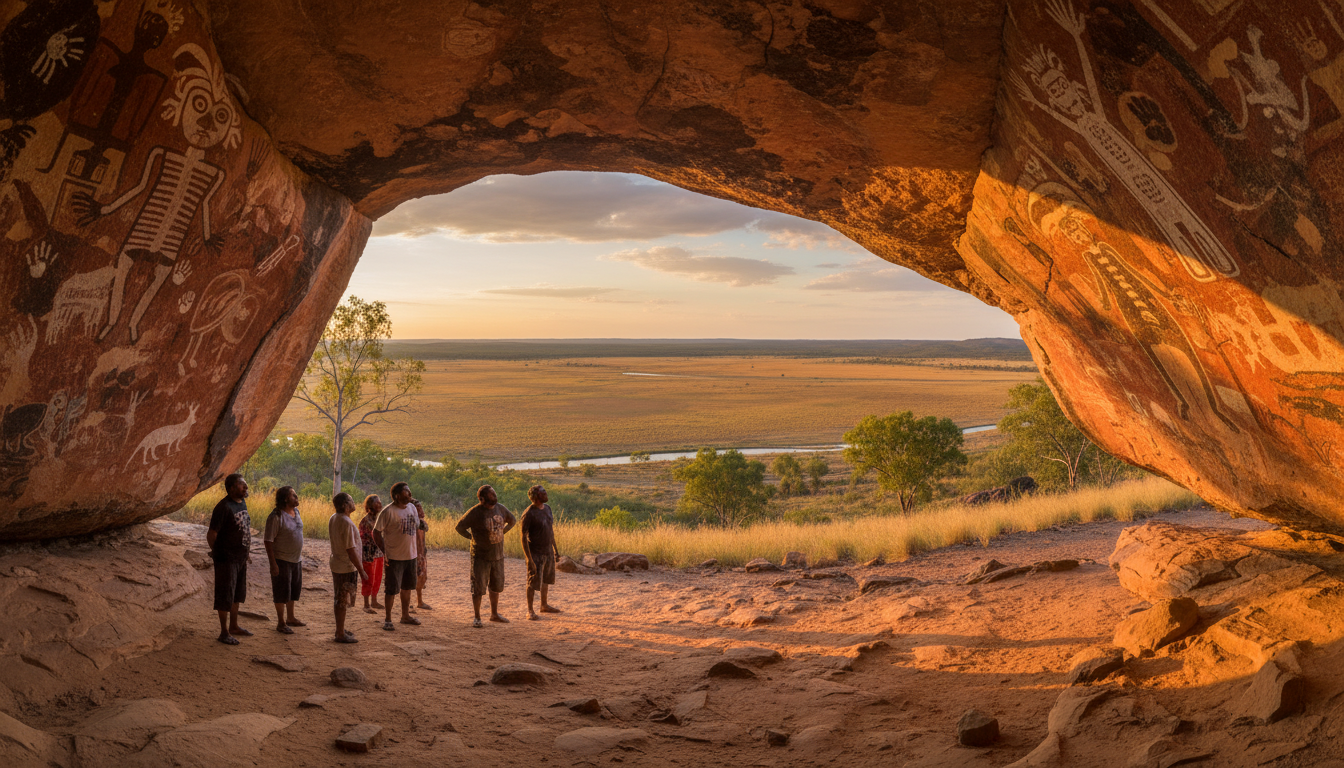
In the afternoon, head to Ubirr, one of Kakadu’s most renowned rock art sites. A circular walk takes you past stunning examples of ancient Aboriginal rock art, depicting animals, ancestral beings, and creation stories. The highlight is undoubtedly the climb to the top of the rock outcrop, offering a panoramic 360-degree view over the Nadab floodplain, particularly breathtaking at sunset. Standing here, watching the light paint the landscape, one truly feels the immense depth of time and history that permeates this place. It’s an experience that transcends mere sightseeing, connecting you to an ancient spiritual lineage.
After this profound experience, make your way to your accommodation, either in Jabiru or Cooinda. Both offer a range of options from campgrounds to hotels, providing a comfortable base for your Kakadu exploration.
Day 7: Billabongs & Birdlife
Your morning in Kakadu must begin with a Yellow Water Billabong Cruise from Cooinda. This is, without exaggeration, one of Australia's most iconic wildlife experiences. As your boat glides silently through the serene waters, you'll witness an astonishing array of birdlife, from jabirus and brolgas to sea eagles, all against a backdrop of ancient paperbark trees. And, of course, the saltwater crocodiles – majestic and ancient predators – are a common sight, often seen basking on the banks or silently cruising the water. The early morning light adds to the magic, creating unforgettable photographic opportunities.
Following the cruise, visit the Warradjan Aboriginal Cultural Centre, located near Cooinda. This centre provides a deeper understanding of Bininj culture, history, and land management practices through engaging displays and artifacts. It’s a crucial stop for respectful and informed engagement with the traditional owners' perspectives. I always find the personal stories shared here particularly moving, adding a human dimension to the vast landscape.
In the late afternoon, make your way to Nourlangie Rock (Burrungkuy), another magnificent rock art site. Here, you'll find a shelter where Aboriginal people once lived and painted, with artwork dating back thousands of years. The Anbangbang Gallery features various styles, including the famous X-ray style. A short climb to the Gunwarrdehwarrde lookout offers dramatic views of the escarpment and surrounding wetlands, especially beautiful as the afternoon light softens.
Day 8: Jim Jim & Twin Falls (Seasonal) OR Southern Kakadu
Today’s itinerary is highly dependent on the season, particularly the dry season (typically May-October) when road access allows.
Option A (Dry Season): The Adventurous Falls
For the intrepid traveler with a 4WD, a full-day adventure to Jim Jim Falls and Twin Falls is an absolute must. This journey involves driving on challenging unsealed roads, often requiring a high-clearance 4WD, followed by walks and sometimes swims through clear, cool waters to reach the base of these magnificent cascades. Jim Jim Falls, with its towering red cliffs and deep plunge pool, is particularly spectacular. Twin Falls requires a boat shuttle and a boardwalk to reach its pristine swimming hole. These remote wonders are worth every bit of effort, offering a profound sense of wilderness and exclusivity.
Option B (Wet Season / Alternative): Southern Kakadu Gems
If road conditions preclude access to Jim Jim and Twin Falls, or if you prefer a less strenuous day, explore Southern Kakadu. Maguk (Barramundi Gorge) offers a beautiful walk through monsoon forest to a clear, refreshing swimming hole beneath a small waterfall. Gunlom Falls, a stunning infinity pool at the top of a waterfall overlooking vast plains, is another excellent option (check road conditions, as it can sometimes be inaccessible). These southern sites provide equally captivating experiences, showcasing Kakadu's diverse beauty.
After a day of exploration, begin your journey south, heading towards Pine Creek or Katherine. An overnight stop here will significantly reduce your driving time to Nitmiluk National Park the following morning.
- Tips for Deep Dive into Kakadu:
- Park Pass: Essential. Purchase online in advance.
- 4WD: Strongly recommended for accessing many sites, especially Jim Jim and Twin Falls. Check road conditions before travel, as they change seasonally.
- Cultural Sensitivity: Respect the land and its traditional owners. Stay on marked paths, do not touch rock art, and observe all cultural protocols.
- Safety: Be croc-wise – only swim in designated areas. Carry plenty of water, wear protective clothing, and be aware of the heat. Phone reception is limited.
- Ranger Talks: Attend a free ranger talk if available; they offer invaluable insights into the park's natural and cultural heritage.
Days 9-10: Nitmiluk (Katherine) Gateway
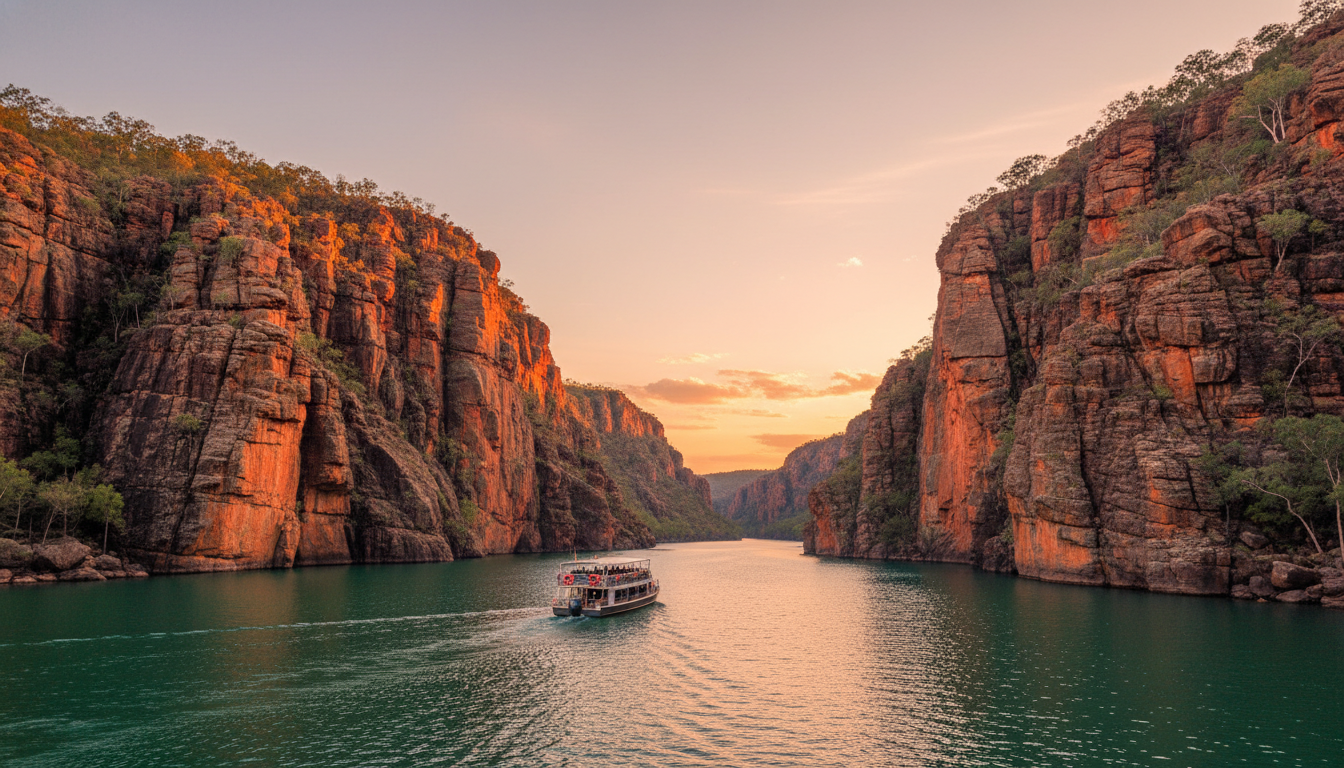
As you journey south from Kakadu, the landscape subtly transforms, leading you to Nitmiluk National Park, home to the magnificent Katherine Gorge. This spectacular series of thirteen sandstone gorges carved by the Katherine River is culturally significant to the Jawoyn people, who are its traditional owners. Nitmiluk, meaning "cicada place," offers a different yet equally profound connection to the ancient land, a serenity that I find deeply restorative.
Day 9: Gorge Exploration & Indigenous Stories
Drive to Katherine, approximately 2.5-3 hours from Southern Kakadu or Pine Creek. Your primary destination is Nitmiluk National Park. Upon arrival, head straight for the Nitmiluk Visitor Centre, where you can arrange a boat cruise through the gorges. This is, in my opinion, the quintessential Nitmiluk experience.
The Nitmiluk Gorge Cruise offers a breathtaking journey through several of the gorges, with short walks between them. As you glide along the tranquil water, surrounded by towering, ancient sandstone cliffs, Jawoyn guides share Dreamtime stories and explain the cultural significance of this sacred place. The sheer scale and beauty of the gorges, combined with the rich narratives, create an unforgettable sense of connection to the land and its people. I’ve taken this cruise multiple times, and each time, the serene beauty and the ancient stories resonate deeply.
In the afternoon, depending on your energy levels and the time of year, consider a visit to Edith Falls (Leliyn), a stunning series of cascades and natural swimming pools located within Nitmiluk National Park. It’s a perfect spot for another refreshing dip and a short walk through the paperbark forest. Afterwards, settle into your accommodation in Katherine, a bustling regional town that serves as a vital hub for the Top End. Enjoy a relaxing dinner at one of the local restaurants.
Day 10: Hot Springs & Return Journey
Start your final day of exploration with a visit to the Katherine Hot Springs. These natural thermal pools, fed by an underground spring, offer a wonderfully relaxing soak amidst a tranquil setting of paperbark and pandanus trees. It’s the perfect way to soothe tired muscles after days of adventure and to reflect on the incredible journey you've undertaken. The warm, clear water is incredibly inviting, and I always make sure to spend at least an hour here.
After a leisurely morning, begin your return journey to Darwin, a drive of approximately 3 hours. Along the way, make a poignant stop at the Adelaide River War Cemetery. This beautifully maintained cemetery is the final resting place for many who died defending Australia during WWII, including those lost in the bombing of Darwin. It’s a quiet, reflective place that offers a powerful connection to the region's more recent history and the sacrifices made.
Arrive back in Darwin in the late afternoon or early evening, bringing your ultimate Top End loop to a close. As you settle in for your final night, take a moment to reflect on the diverse landscapes, rich cultures, and unforgettable experiences that have filled your past ten days. From vibrant city life to ancient rock art, cascading waterfalls, and majestic gorges, the Top End leaves an indelible mark on every traveler.
- Tips for Nitmiluk (Katherine) Gateway:
- Gorge Exploration: Boat cruises are popular and highly recommended. Canoeing is also an option for more active travelers, allowing you to paddle through the first two gorges. Helicopter tours offer a spectacular aerial perspective.
- Cultural Significance: Nitmiluk is a sacred site for the Jawoyn people. Be respectful of their culture and stories.
- Stay Hydrated: The Katherine region can be very hot, especially during the build-up season. Carry plenty of water.
- Katherine: The town offers essential services, supermarkets, and a range of accommodation options.
Road Trip Safety and Vehicle Prep
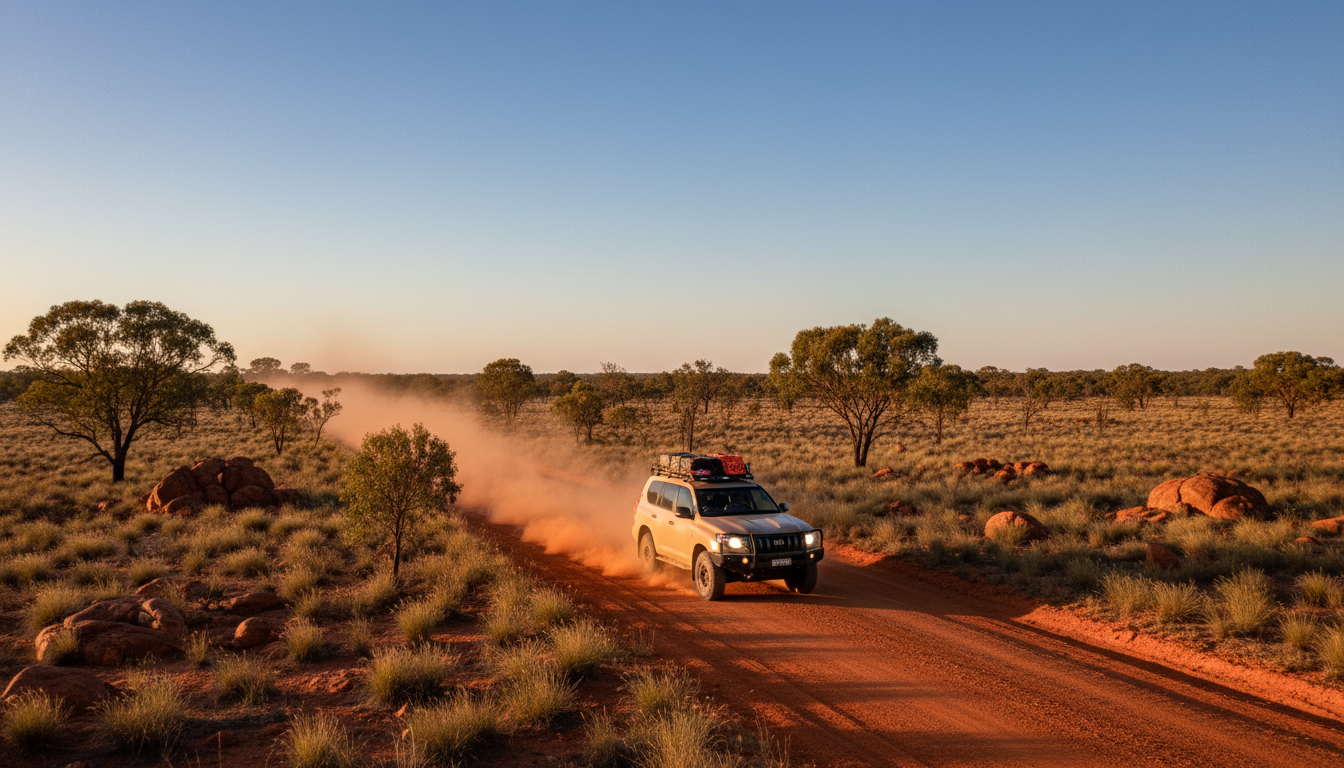
Embarking on a Top End road trip is an incredible adventure, but it requires careful planning and a strong emphasis on safety. The vast distances, remote locations, and unique environmental challenges demand respect and preparedness. Having navigated these roads myself, I can’t stress enough the importance of being well-equipped and informed.
Vehicle: For this itinerary, a reliable 2WD vehicle is sufficient for most main attractions in Litchfield and the accessible parts of Kakadu and Nitmiluk. However, if you plan to explore more remote areas like Jim Jim and Twin Falls in Kakadu, a high-clearance 4WD is absolutely essential. Always check your tires, including the spare, fluid levels, and general vehicle condition before setting off on long drives. Consider renting a 4WD if you intend to venture off the main sealed roads.
Driving Safety: The Top End is known for its long, straight roads. Combat driver fatigue by taking regular breaks, rotating drivers if possible, and avoiding driving at dawn or dusk when wildlife is most active. Kangaroos, wallabies, and even buffalo can pose a significant hazard on the roads. Maintain a safe speed and be aware of road train trucks, which require ample space and respect. Phone reception can be intermittent or non-existent in remote areas, so don't rely on it for navigation or emergencies.
Supplies: This is critical. Always carry significantly more water than you think you'll need, especially during hotter months. Pack non-perishable food, a well-stocked first-aid kit, insect repellent, and sun protection (hat, sunscreen, long-sleeved clothing). Fuel stops can be infrequent between major towns, so plan your fuel consumption and fill up whenever possible.
Environmental Responsibility: Practice responsible tourism by leaving no trace. Take all your rubbish with you, stay on marked tracks, and respect cultural sites. Familiarize yourself with national park rules and regulations, including any fire restrictions. Remember, you are a guest on ancient lands, and respectful behavior is paramount.
Planning and Information: Book accommodation in advance, particularly during the dry season. Always check road conditions before setting out, especially if traveling during the wet season (November-April) when heavy rains can cause flooding and road closures. Park ranger stations and visitor centres are excellent sources of up-to-date information. Thoughtful travel and preparedness are not just about safety; they are part of a meaningful journey, allowing you to fully appreciate the unique beauty and cultural depth of the Top End.
Conclusion
The Top End of Australia is a destination unlike any other, a place where the ancient heartbeat of the land resonates through every rock formation, every billabong, and every whispered story. This 10-day step-by-step odyssey through Darwin, Litchfield, Kakadu, and Nitmiluk offers a profound journey into the heart of Australia's cultural and natural heritage. It's an exploration that promises not just beautiful sights, but a deep, enriching connection to one of the world's oldest living cultures and most spectacular wildernesses.
From the vibrant multicultural tapestry of Darwin to the refreshing cascades of Litchfield, the ancient rock art and teeming wetlands of Kakadu, and the dramatic, spiritual gorges of Nitmiluk, each day of this itinerary unfolds a new chapter in your Top End story. As a writer who thrives on uncovering authentic cultural narratives, I can confidently say that this region offers an unparalleled opportunity for discovery and personal growth. It challenges you to look, listen, and learn, fostering a profound appreciation for the land and its traditional custodians.
For the culturally curious reader, particularly those with a Vietnamese-Australian connection seeking to broaden their understanding of Australia’s diverse heritage, this journey is a must. It’s an invitation to experience the raw beauty, the enduring spirit, and the unforgettable stories that make the Top End truly unique. Embrace the adventure, prepare thoughtfully, and allow yourself to be transformed by the magic of this extraordinary corner of the world. Your journey to unforgettable cultural stories and inspiring connections awaits. More Discovery, More Experience.
Top End của Úc là một vương quốc nơi những cảnh quan cổ xưa thì thầm những câu chuyện về sự sáng tạo, nơi những nền văn hóa sôi động phát triển giữa vẻ đẹp thiên nhiên ngoạn mục, và nơi lịch sử, cả cổ đại và gần đây, định hình sâu sắc hiện tại. Đây là một điểm đến thu hút tâm hồn của những du khách tò mò về văn hóa, hứa hẹn không chỉ những cảnh đẹp mà còn là những trải nghiệm sâu sắc, mang tính thay đổi. Với tư cách là người đã nhiều lần đi qua những vùng đất này, mỗi hành trình đều hé mở những tầng lớp kỳ diệu và kết nối mới.
Đây không chỉ đơn thuần là một chuyến đi; đó là một cuộc phiêu lưu vào trung tâm của nước Úc bản địa (Aboriginal Australia), một hành trình qua những vùng đất ngập nước tràn đầy sự sống, vượt qua những thác nước chảy xiết, và vào một vùng đất kiên quyết bảo vệ bản sắc độc đáo của mình. Đối với những ai tìm kiếm vượt ra ngoài những điều thông thường, để thực sự hòa mình vào một nơi mà yếu tố tâm linh và tự nhiên hòa quyện vào nhau, Top End mang đến một cuộc phiêu lưu vô song. Hướng dẫn chi tiết 10 ngày từng bước này được thiết kế để giúp bạn khám phá Darwin và các cổng vào mang tính biểu tượng của nó – các Vườn quốc gia Litchfield, Kakadu và Nitmiluk – đảm bảo bạn sẽ mở khóa những câu chuyện văn hóa chân thực và khó quên nhất.
Hành trình vòng quanh Top End tuyệt vời nhất
Theo kinh nghiệm chuyên môn của tôi, việc thực hiện một hành trình tự lái vòng quanh Top End là cách bổ ích nhất để khám phá vùng đất rộng lớn và đa dạng này. Nó mang lại cho bạn sự tự do để dừng lại lâu hơn ở một địa điểm làm bạn say mê, để ngắm cảnh hoàng hôn bất chợt, hoặc đơn giản là để đắm mình trong sự tĩnh lặng sâu sắc của những vùng đất cổ xưa theo tốc độ của riêng bạn. Hành trình được thiết kế cẩn thận này sẽ đưa bạn từ trung tâm đa văn hóa sầm uất Darwin đến những thác nước sảng khoái của Litchfield, qua những phòng trưng bày nghệ thuật cổ xưa và vùng đất ngập nước của Kakadu, và cuối cùng đến những hẻm núi hùng vĩ của Nitmiluk.
Vẻ đẹp của hành trình này nằm ở sự đa dạng đáng kinh ngạc: từ nét quyến rũ quốc tế của Darwin đến những hồ bơi dễ tiếp cận của Litchfield, phong cảnh Di sản Thế giới UNESCO của Kakadu và những dòng nước linh thiêng của Nitmiluk. Mỗi chặng của cuộc hành trình đều mang đến một hương vị đặc trưng của Lãnh thổ Bắc Úc (Northern Territory), hòa quyện những kỳ quan thiên nhiên với một tấm thảm phong phú di sản bản địa và lịch sử tiên phong. Hãy chuẩn bị cho một cuộc phiêu lưu sẽ thu hút mọi giác quan của bạn và để lại dấu ấn không thể phai mờ trong sự hiểu biết của bạn về nước Úc.
Ngày 1-3: Đắm mình tại thành phố Darwin
Darwin, thủ phủ của Lãnh thổ Bắc Úc, không chỉ là một cổng vào; đó là một điểm đến tự thân, một sự hòa trộn của các nền văn hóa, lịch sử và nét quyến rũ nhiệt đới. Đã dành khá nhiều thời gian ở đây, tôi có thể chứng thực rằng bầu không khí thư thái của nó che giấu một năng lượng sôi động và một quá khứ đầy xúc động, từ sự kiên cường sau Bão Tracy đến vai trò then chốt của nó trong Thế chiến thứ II. Đó là một thành phố mời gọi bạn sống chậm lại, khám phá và kết nối.
Ngày 1: Đến nơi & Nét quyến rũ của Esplanade
Khi đến Sân bay Quốc tế Darwin (DRW), hãy nhận xe thuê của bạn và đi đến chỗ ở. Tôi luôn khuyên nên ở gần khu Esplanade hoặc Waterfront Precinct để dễ dàng tiếp cận các điểm tham quan và ăn uống chính. Không khí nhiệt đới ngay lập tức ôm lấy bạn, một dấu hiệu cảm giác rằng bạn đã đến một nơi thực sự độc đáo.
Bắt đầu chuyến khám phá của bạn bằng một cuộc đi bộ dọc theo Esplanade tuyệt đẹp của Darwin, ngắm nhìn khung cảnh tuyệt đẹp ra Biển Timor. Vào buổi chiều, hãy tìm hiểu lịch sử tại Hầm chứa dầu trong Thế chiến thứ II (WWII Oil Storage Tunnels), một lời nhắc nhở sâu sắc về vai trò quan trọng của Darwin trong chiến tranh và sự kiên cường của nó. Những đường hầm mát mẻ, tối tăm tạo ra một sự tương phản rõ rệt với cái nóng nhiệt đới bên ngoài, mang đến một trải nghiệm lịch sử mạnh mẽ. Là một người đam mê lịch sử, tôi thấy những địa điểm này vô cùng ấn tượng, kết nối du khách trực tiếp với những hy sinh đã được thực hiện ở góc xa xôi này của nước Úc.
Khi màn đêm buông xuống, hãy đến Chợ Hoàng hôn Bãi biển Mindil (Mindil Beach Sunset Market) mang tính biểu tượng (hoạt động vào thứ Năm và Chủ Nhật trong mùa khô, thường từ tháng 4 đến tháng 10). Chợ này là một bữa tiệc thực sự cho các giác quan, một lễ kỷ niệm sôi động về tính đa văn hóa của Darwin thông qua một loạt các món ăn quốc tế, đồ thủ công địa phương và âm nhạc trực tiếp. Lần đầu tiên tôi thưởng thức món laksa Darwin ở đây là một khám phá ẩm thực, thể hiện ảnh hưởng mạnh mẽ của Đông Nam Á đối với thành phố. Nếu không phải đêm chợ, Darwin Waterfront Precinct cung cấp các lựa chọn ăn uống tuyệt vời với bầu không khí thư thái, tinh tế.
Ngày 2: Lịch sử, Nghệ thuật & Cá sấu
Bắt đầu ngày của bạn bằng một chuyến thăm đầy trải nghiệm đến Bảo tàng và Phòng trưng bày Nghệ thuật của Lãnh thổ Bắc Úc (Museum and Art Gallery of the Northern Territory - MAGNT). Cơ sở này cung cấp những hiểu biết sâu sắc về Bão Tracy, nghệ thuật thổ dân đa dạng của khu vực và lịch sử tự nhiên độc đáo của nó. Tôi luôn ghé thăm lại triển lãm Bão Tracy; đó là một minh chứng mạnh mẽ và khiêm tốn về sự kiên cường của con người khi đối mặt với sự giận dữ của thiên nhiên, gói gọn hoàn hảo tinh thần của Darwin.
Để ăn trưa, hãy đến Khu bến cảng lịch sử Darwin (Darwin Wharf Precinct), nơi bạn có thể thưởng thức hải sản cực kỳ tươi ngon với tầm nhìn ra bến cảng. Cảng làm việc này là một trung tâm hoạt động và là một điểm tuyệt vời để hòa mình vào bầu không khí hàng hải. Vào buổi chiều, hãy tận hưởng cảm giác hồi hộp của Top End tại Crocosaurus Cove, một công viên động vật hoang dã đô thị cung cấp những tương tác đạo đức và thú vị với những loài bò sát đáng gờm nhất của Úc. Tại đây, bạn có thể an toàn quan sát cá sấu nước mặn, tìm hiểu về hành vi của chúng, và thậm chí tham gia trải nghiệm 'Lồng tử thần' (Cage of Death) dành cho những người thực sự dũng cảm.
Khi màn đêm buông xuống, nếu đến thăm trong mùa khô, rạp chiếu phim Deckchair Cinema mang đến trải nghiệm xem phim ngoài trời kỳ diệu dưới bầu trời đầy sao, một cách độc đáo kiểu Darwin để kết thúc một ngày. Ngoài ra, hãy khám phá Phố Mitchell sôi động, nổi tiếng với các quán bar, nhà hàng và cuộc sống về đêm rực rỡ. Tôi đặc biệt thích tìm một góc yên tĩnh để suy ngẫm về một ngày, có thể với một ly bia thủ công địa phương, ngắm nhìn thế giới trôi qua.
Ngày 3: Trái tim Văn hóa & Niềm vui bên bờ sông
Dành buổi sáng của bạn để tận hưởng sự quyến rũ hiện đại của Darwin Waterfront Precinct. Tại đây, bạn có thể giải nhiệt tại Wave Lagoon hoặc Recreation Lagoon được bảo vệ, hoàn hảo để bơi lội sảng khoái hoặc chèo thuyền thư giãn. Đây là một không gian đô thị được thiết kế đẹp mắt, kết hợp liền mạch giữa giải trí và thư giãn, khiến nó trở thành điểm yêu thích của cả người dân địa phương và du khách. Các con tôi rất thích hồ tạo sóng, một cách tuyệt vời để xua tan cái nóng nhiệt đới.
Sau bữa trưa bình dị tại một trong nhiều quán ăn của Waterfront, hãy cân nhắc tìm hiểu sâu hơn về quá khứ của Darwin tại Bảo tàng Nhà tù Fannie Bay Gaol (Fannie Bay Gaol Museum). Nhà tù cũ này mang đến một cái nhìn lạnh lẽo nhưng đầy hấp dẫn về lịch sử hình sự của thành phố, tạo ra một sự tương phản rõ rệt với các điểm tham quan hiện đại. Đối với những người yêu nghệ thuật, việc khám phá các phòng trưng bày địa phương nhỏ hơn của Darwin có thể hé lộ những nghệ sĩ thổ dân và đương đại mới nổi của Lãnh thổ Bắc Úc, mang đến những tác phẩm và câu chuyện độc đáo.
Vào buổi tối cuối cùng của bạn ở Darwin, hãy tự chiêu đãi mình một bữa tối chia tay đáng nhớ. Với trọng tâm của MLIFEON, tôi đặc biệt khuyên bạn nên tìm một trong những nhà hàng Việt Nam xuất sắc của Darwin. Cộng đồng người Việt Nam có một lịch sử lâu đời và phong phú ở Darwin, đóng góp đáng kể vào cấu trúc đa văn hóa của nó và, quan trọng hơn, vào nền ẩm thực đáng kinh ngạc của nó. Thưởng thức một tô phở thơm ngon hoặc một món gỏi Việt Nam tươi mát là một cách tuyệt vời để kết nối với khía cạnh di sản này của Darwin, phản ánh câu chuyện Việt-Úc rộng lớn hơn.
- Mẹo cho trải nghiệm thành phố Darwin:
- Chỗ ở: Đặt trước, đặc biệt trong mùa khô (tháng 5-10), vì Darwin có thể rất đông đúc.
- Di chuyển: Trung tâm thành phố có thể đi bộ được, nhưng có xe hơi sẽ tiện lợi để khám phá các khu vực xa hơn. Xe buýt công cộng cũng có sẵn.
- Ăn uống: Hãy thử những điều mới lạ! Nền ẩm thực đa văn hóa của Darwin là một điểm nhấn. Đừng bỏ lỡ Chợ Hoàng hôn Bãi biển Mindil nếu lịch trình của bạn cho phép.
- Thời tiết: Giữ đủ nước, thoa kem chống nắng và mặc quần áo nhẹ. Nắng nóng và độ ẩm là những người bạn đồng hành thường xuyên.
Ngày 4-5: Kỳ quan Litchfield
Rời Darwin, cuộc phiêu lưu của bạn chuyển hướng sang những thiên đường tự nhiên định nghĩa Top End. Vườn Quốc gia Litchfield, chỉ cách đó 1,5 giờ lái xe về phía nam, mang đến một sự tương phản sảng khoái với năng lượng đô thị của thành phố với những thác nước nguyên sơ, hồ bơi tự nhiên và những gò mối đáng kinh ngạc. Đây là một giới thiệu dễ tiếp cận và hoàn toàn quyến rũ về vẻ đẹp tự nhiên của khu vực, một nơi tôi thường xuyên trở lại vì sự quyến rũ đầy sức sống của nó.
Ngày 4: Thác nước & Gò mối
Sau khi dự trữ các vật dụng thiết yếu ở Darwin – nước, đồ ăn nhẹ và có thể là bữa trưa dã ngoại – hãy bắt đầu lái xe đến Litchfield. Điểm dừng đầu tiên của bạn nên là Gò mối từ tính (Magnetic Termite Mounds), một kỳ công đáng kinh ngạc của kỹ thuật côn trùng. Những cấu trúc hình nêm cao vút này được căn chỉnh hoàn hảo theo hướng bắc-nam, một chiếc la bàn tự nhiên giúp điều hòa nhiệt độ bên trong gò mối. Đó là một cảnh tượng thực sự độc đáo luôn khiến tôi ấn tượng với sự khéo léo của thiên nhiên.
Tiếp theo, hãy tiếp tục đến Thác Florence (Florence Falls), một trong những thác nước mang tính biểu tượng nhất của Litchfield. Một đoạn đi bộ ngắn, tuyệt đẹp sẽ dẫn bạn đến một đài quan sát, và một đoạn xuống nhiều bậc thang sẽ đưa bạn đến một hồ bơi đẹp nơi bạn có thể bơi lội dưới dòng nước chảy xiết. Cảm giác làn nước mát lạnh, trong vắt sau một cuộc đi bộ trong cái nóng nhiệt đới là vô cùng tuyệt vời. Sau đó, hãy ghé thăm Thác Tolmer (Tolmer Falls), nơi có một đài quan sát ngoạn mục trên một thác nước và hẻm núi hùng vĩ, mặc dù không được phép bơi ở đây.
Kết thúc một ngày của bạn tại Thác Wangi (Wangi Falls), có lẽ là điểm bơi lội nổi tiếng và dễ tiếp cận nhất ở Litchfield. Với hồ bơi lớn, trong vắt và khu vực dã ngoại rộng rãi, đây là nơi hoàn hảo để thư giãn và hòa mình vào vẻ đẹp yên bình của công viên. Tôi đã dành vô số buổi chiều ở đây, chỉ đơn giản là trôi nổi và lắng nghe âm thanh của bụi rậm. Hãy cân nhắc ở lại qua đêm tại một trong các công viên caravan hoặc khu cắm trại cao cấp của Litchfield để hoàn toàn đắm mình vào bầu không khí của công viên.
Ngày 5: Buley Rockhole & Vẻ đẹp thác nước
Bắt đầu ngày thứ hai của bạn ở Litchfield bằng chuyến thăm Buley Rockhole, một loạt các hồ nước chảy xiết tuyệt đẹp và spa tự nhiên. Địa điểm này hoàn hảo cho một buổi sáng thư thả, cho phép bạn di chuyển giữa các hồ đá khác nhau, tìm cho mình một góc riêng tư để ngâm mình sảng khoái. Nó ít ấn tượng hơn các thác nước lớn hơn nhưng mang đến trải nghiệm bơi lội thân mật và thư giãn hơn.
Dành cuối buổi sáng để khám phá thêm các con đường đi bộ ngắn hơn của Litchfield, có thể khám phá những thác nước ít được biết đến hơn hoặc đơn giản là tận hưởng vùng cây bụi yên bình. Bạn có thể cân nhắc đi đường vòng đến Công viên Tự nhiên Berry Springs (Berry Springs Nature Park) trên đường trở về đường cao tốc chính, một ốc đảo tuyệt đẹp với những hồ nước suối trong vắt và khu vực dã ngoại có bóng mát, hoàn hảo cho một lần bơi lội sảng khoái khác. Đó là một nơi tuyệt vời để thư giãn trước khi tiếp tục hành trình của bạn.
Vào buổi chiều, hãy bắt đầu lái xe về phía vùng Kakadu. Mặc dù có thể quay trở lại Darwin, tôi khuyên bạn nên định vị mình gần lối vào Kakadu hơn, có thể nghỉ qua đêm tại một thị trấn như Adelaide River hoặc Pine Creek. Điều này sẽ giúp rút ngắn thời gian lái xe và giúp bạn có một khởi đầu hoàn hảo vào Vườn Quốc gia Kakadu vào sáng hôm sau, đảm bảo bạn tận dụng tối đa thời gian của mình ở vùng hoang dã phi thường này.
- Mẹo cho kỳ quan Litchfield:
- An toàn khi bơi: Luôn kiểm tra các biển báo về điều kiện bơi lội. Không bao giờ nhảy xuống vùng nước không quen thuộc.
- Những gì cần đóng gói: Giày đi nước rất được khuyến khích để di chuyển trên lòng suối nhiều đá. Mang theo thuốc chống côn trùng, kem chống nắng và nhiều nước.
- Vé vào cửa công viên: Vườn Quốc gia Litchfield không yêu cầu phí vào cửa, khiến nó trở thành một lựa chọn dễ tiếp cận.
- Phương tiện: Mặc dù nhiều điểm tham quan chính của Litchfield có thể tiếp cận bằng xe 2WD, nhưng xe 4WD mang lại sự linh hoạt hơn, đặc biệt nếu bạn định khám phá những khu vực ít người qua lại.
Ngày 6-8: Khám phá sâu về Kakadu
Vườn Quốc gia Kakadu không chỉ là một vườn quốc gia; đó là một cảnh quan văn hóa sống có ý nghĩa vô song, một di sản được UNESCO công nhận là Di sản Thế giới kép về cả giá trị tự nhiên và văn hóa. Đó là một nơi mà trái đất hơi thở những câu chuyện cổ xưa, nơi người dân bản địa đã sống liên tục ít nhất 65.000 năm, để lại một di sản nghệ thuật trên đá phi thường. Với tư cách là một nhà văn tập trung vào di sản văn hóa, Kakadu luôn khiến tôi khiêm tốn và truyền cảm hứng với cảm giác sâu sắc về lịch sử và tâm linh.
Ngày 6: Vùng đất ngập nước & Nghệ thuật cổ đại
Bắt đầu hành trình của bạn đến Vườn Quốc gia Kakadu, cách Darwin khoảng 2,5 đến 3 giờ lái xe. Khi đến nơi, hãy mua vé Vườn Quốc gia Kakadu trực tuyến hoặc tại Trung tâm Du khách Bowali gần Jabiru. Trung tâm này là điểm dừng chân đầu tiên thiết yếu, cung cấp thông tin định hướng, bản đồ và hiểu biết văn hóa vô giá về người Bininj/Mungguy, những chủ nhân truyền thống của công viên. Dành thời gian khám phá các màn hình giải thích; chúng tạo tiền đề cho sự đắm mình sâu sắc vào văn hóa sắp tới.
Vào buổi chiều, hãy đến Ubirr, một trong những địa điểm nghệ thuật trên đá nổi tiếng nhất của Kakadu. Một vòng đi bộ sẽ đưa bạn qua những ví dụ tuyệt đẹp về nghệ thuật trên đá thổ dân cổ đại, mô tả động vật, tổ tiên và những câu chuyện sáng tạo. Điểm nổi bật chắc chắn là leo lên đỉnh của mỏm đá, mang đến một cái nhìn toàn cảnh 360 độ ra vùng đồng bằng ngập lụt Nadab, đặc biệt ngoạn mục vào lúc hoàng hôn. Đứng ở đây, ngắm nhìn ánh sáng vẽ nên cảnh quan, người ta thực sự cảm nhận được chiều sâu bao la của thời gian và lịch sử thấm nhuần nơi này. Đó là một trải nghiệm vượt xa việc tham quan đơn thuần, kết nối bạn với một dòng dõi tâm linh cổ xưa.
Sau trải nghiệm sâu sắc này, hãy đi đến chỗ ở của bạn, tại Jabiru hoặc Cooinda. Cả hai đều cung cấp nhiều lựa chọn từ khu cắm trại đến khách sạn, cung cấp một cơ sở thoải mái cho chuyến khám phá Kakadu của bạn.
Ngày 7: Billabong & Đời sống chim chóc
Buổi sáng của bạn ở Kakadu phải bắt đầu bằng Chuyến du thuyền Yellow Water Billabong từ Cooinda. Đây, không hề phóng đại, là một trong những trải nghiệm động vật hoang dã mang tính biểu tượng nhất của Úc. Khi thuyền của bạn lướt nhẹ nhàng qua làn nước thanh bình, bạn sẽ chứng kiến một loạt các loài chim đáng kinh ngạc, từ cò mỏ giày và sếu brolga đến đại bàng biển, tất cả đều trên nền những cây tràm cổ thụ. Và, tất nhiên, cá sấu nước mặn – những kẻ săn mồi hùng vĩ và cổ xưa – là một cảnh tượng phổ biến, thường thấy đang phơi nắng trên bờ hoặc âm thầm lướt trên mặt nước. Ánh sáng ban mai tăng thêm sự kỳ diệu, tạo ra những cơ hội chụp ảnh khó quên.
Sau chuyến du thuyền, hãy ghé thăm Trung tâm Văn hóa Thổ dân Warradjan (Warradjan Aboriginal Cultural Centre), nằm gần Cooinda. Trung tâm này cung cấp sự hiểu biết sâu sắc hơn về văn hóa, lịch sử và các thực hành quản lý đất đai của người Bininj thông qua các màn hình và hiện vật hấp dẫn. Đây là một điểm dừng chân quan trọng để tiếp cận một cách tôn trọng và có hiểu biết với các quan điểm của các chủ sở hữu truyền thống. Tôi luôn thấy những câu chuyện cá nhân được chia sẻ ở đây đặc biệt cảm động, thêm một chiều kích con người vào cảnh quan rộng lớn.
Vào cuối buổi chiều, hãy đi đến Nourlangie Rock (Burrungkuy), một địa điểm nghệ thuật trên đá tuyệt đẹp khác. Tại đây, bạn sẽ tìm thấy một nơi trú ẩn nơi người thổ dân từng sống và vẽ tranh, với những tác phẩm nghệ thuật có niên đại hàng ngàn năm. Anbangbang Gallery trưng bày nhiều phong cách khác nhau, bao gồm phong cách tia X nổi tiếng. Một đoạn leo ngắn lên đài quan sát Gunwarrdehwarrde mang đến tầm nhìn ngoạn mục ra vách đá và vùng đất ngập nước xung quanh, đặc biệt đẹp khi ánh sáng buổi chiều dịu đi.
Ngày 8: Thác Jim Jim & Twin Falls (Theo mùa) HOẶC Nam Kakadu
Lịch trình hôm nay phụ thuộc rất nhiều vào mùa, đặc biệt là mùa khô (thường từ tháng 5 đến tháng 10) khi đường cho phép đi lại.
Tùy chọn A (Mùa khô): Những thác nước mạo hiểm
Đối với những du khách thích mạo hiểm với xe 4WD, một chuyến phiêu lưu cả ngày đến Thác Jim Jim (Jim Jim Falls) và Thác Twin (Twin Falls) là điều bắt buộc tuyệt đối. Hành trình này liên quan đến việc lái xe trên những con đường đất đầy thử thách, thường yêu cầu xe 4WD gầm cao, sau đó là đi bộ và đôi khi bơi qua làn nước trong vắt, mát lạnh để đến chân những thác nước hùng vĩ này. Thác Jim Jim, với những vách đá đỏ cao chót vót và hồ nước sâu, đặc biệt ngoạn mục. Thác Twin yêu cầu một chuyến thuyền đưa đón và một lối đi bộ lát ván để đến hồ bơi nguyên sơ của nó. Những kỳ quan xa xôi này đáng giá mọi nỗ lực, mang đến cảm giác hoang dã và độc quyền sâu sắc.
Tùy chọn B (Mùa mưa / Thay thế): Những viên ngọc quý của Nam Kakadu
Nếu điều kiện đường sá không cho phép tiếp cận Thác Jim Jim và Twin Falls, hoặc nếu bạn thích một ngày ít vất vả hơn, hãy khám phá Nam Kakadu. Maguk (Hẻm núi Barramundi - Barramundi Gorge) mang đến một chuyến đi bộ đẹp qua rừng gió mùa đến một hồ bơi trong vắt, sảng khoái dưới một thác nước nhỏ. Thác Gunlom (Gunlom Falls), một hồ bơi vô cực tuyệt đẹp trên đỉnh thác nhìn ra những đồng bằng rộng lớn, là một lựa chọn tuyệt vời khác (kiểm tra điều kiện đường sá, vì đôi khi nó có thể không thể tiếp cận được). Những địa điểm phía nam này mang đến những trải nghiệm hấp dẫn không kém, thể hiện vẻ đẹp đa dạng của Kakadu.
Sau một ngày khám phá, hãy bắt đầu hành trình về phía nam, hướng đến Pine Creek hoặc Katherine. Một đêm dừng chân ở đây sẽ giảm đáng kể thời gian lái xe của bạn đến Vườn Quốc gia Nitmiluk vào sáng hôm sau.
- Mẹo cho chuyến khám phá sâu Kakadu:
- Vé vào công viên: Cần thiết. Mua trực tuyến trước.
- Xe 4WD: Rất khuyến khích để tiếp cận nhiều địa điểm, đặc biệt là Jim Jim và Twin Falls. Kiểm tra điều kiện đường trước khi đi, vì chúng thay đổi theo mùa.
- Nhạy cảm văn hóa: Tôn trọng vùng đất và những chủ sở hữu truyền thống của nó. Đi theo lối đi đã đánh dấu, không chạm vào nghệ thuật trên đá và tuân thủ tất cả các nghi thức văn hóa.
- An toàn: Cẩn thận với cá sấu – chỉ bơi ở những khu vực được chỉ định. Mang theo nhiều nước, mặc quần áo bảo hộ và lưu ý về cái nóng. Sóng điện thoại bị hạn chế.
- Bài nói chuyện của kiểm lâm: Tham dự một buổi nói chuyện miễn phí của kiểm lâm nếu có; chúng cung cấp những hiểu biết vô giá về di sản tự nhiên và văn hóa của công viên.
Ngày 9-10: Cửa ngõ Nitmiluk (Katherine)
Khi bạn hành trình về phía nam từ Kakadu, cảnh quan thay đổi một cách tinh tế, dẫn bạn đến Vườn Quốc gia Nitmiluk, nơi có Hẻm núi Katherine hùng vĩ. Loạt mười ba hẻm núi sa thạch ngoạn mục được sông Katherine khắc tạo này có ý nghĩa văn hóa đối với người Jawoyn, những chủ nhân truyền thống của nó. Nitmiluk, có nghĩa là "nơi ve sầu", mang đến một kết nối khác nhưng cũng sâu sắc không kém với vùng đất cổ xưa, một sự thanh bình mà tôi thấy vô cùng phục hồi.
Ngày 9: Khám phá Hẻm núi & Những câu chuyện bản địa
Lái xe đến Katherine, cách Nam Kakadu hoặc Pine Creek khoảng 2,5-3 giờ. Điểm đến chính của bạn là Vườn Quốc gia Nitmiluk. Khi đến nơi, hãy đi thẳng đến Trung tâm Du khách Nitmiluk, nơi bạn có thể sắp xếp một chuyến du thuyền qua các hẻm núi. Theo tôi, đây là trải nghiệm Nitmiluk tinh túy nhất.
Chuyến du thuyền Hẻm núi Nitmiluk (Nitmiluk Gorge Cruise) mang đến một hành trình ngoạn mục qua một số hẻm núi, với những đoạn đi bộ ngắn giữa chúng. Khi bạn lướt nhẹ trên mặt nước tĩnh lặng, bao quanh bởi những vách đá sa thạch cổ đại, cao vút, các hướng dẫn viên Jawoyn sẽ chia sẻ những câu chuyện về Giấc Mơ (Dreamtime stories) và giải thích ý nghĩa văn hóa của nơi linh thiêng này. Quy mô và vẻ đẹp tuyệt đối của các hẻm núi, kết hợp với những câu chuyện phong phú, tạo ra một cảm giác kết nối khó quên với vùng đất và con người nơi đây. Tôi đã tham gia chuyến du thuyền này nhiều lần, và mỗi lần, vẻ đẹp thanh bình và những câu chuyện cổ xưa đều để lại dấu ấn sâu sắc.
Vào buổi chiều, tùy thuộc vào mức năng lượng và thời điểm trong năm của bạn, hãy cân nhắc ghé thăm Thác Edith (Leliyn), một loạt thác nước và hồ bơi tự nhiên tuyệt đẹp nằm trong Vườn Quốc gia Nitmiluk. Đây là một điểm hoàn hảo để ngâm mình sảng khoái và đi bộ ngắn qua rừng cây tràm. Sau đó, hãy nhận phòng tại chỗ ở của bạn ở Katherine, một thị trấn khu vực sầm uất đóng vai trò là trung tâm quan trọng của Top End. Thưởng thức bữa tối thư giãn tại một trong những nhà hàng địa phương.
Ngày 10: Suối nước nóng & Hành trình trở về
Bắt đầu ngày khám phá cuối cùng của bạn bằng chuyến thăm Suối nước nóng Katherine (Katherine Hot Springs). Những hồ nước nóng tự nhiên này, được cấp nước bởi một con suối ngầm, mang đến một buổi ngâm mình thư giãn tuyệt vời giữa khung cảnh yên bình của cây tràm và cây lá dứa. Đây là cách hoàn hảo để làm dịu cơ bắp mệt mỏi sau nhiều ngày phiêu lưu và để suy ngẫm về hành trình đáng kinh ngạc mà bạn đã thực hiện. Nước ấm, trong vắt vô cùng mời gọi, và tôi luôn dành ít nhất một giờ ở đây.
Sau buổi sáng thư thả, hãy bắt đầu hành trình trở về Darwin, một chuyến lái xe khoảng 3 giờ. Dọc đường, hãy dừng lại đầy xúc động tại Nghĩa trang Chiến tranh Adelaide River (Adelaide River War Cemetery). Nghĩa trang được duy trì đẹp đẽ này là nơi an nghỉ cuối cùng của nhiều người đã hy sinh để bảo vệ Úc trong Thế chiến thứ II, bao gồm cả những người thiệt mạng trong vụ đánh bom Darwin. Đó là một nơi yên tĩnh, suy tư, mang đến một kết nối mạnh mẽ với lịch sử gần đây hơn của khu vực và những hy sinh đã được thực hiện.
Trở về Darwin vào cuối buổi chiều hoặc đầu buổi tối, kết thúc hành trình vòng quanh Top End tuyệt vời của bạn. Khi bạn nghỉ ngơi trong đêm cuối cùng, hãy dành một chút thời gian để suy ngẫm về những cảnh quan đa dạng, những nền văn hóa phong phú và những trải nghiệm khó quên đã lấp đầy mười ngày vừa qua của bạn. Từ cuộc sống thành phố sôi động đến nghệ thuật trên đá cổ xưa, những thác nước chảy xiết và những hẻm núi hùng vĩ, Top End để lại dấu ấn không thể phai mờ trong lòng mỗi du khách.
- Mẹo cho cửa ngõ Nitmiluk (Katherine):
- Khám phá hẻm núi: Các chuyến du thuyền rất phổ biến và rất được khuyến khích. Chèo thuyền kayak cũng là một lựa chọn cho những du khách năng động hơn, cho phép bạn chèo thuyền qua hai hẻm núi đầu tiên. Các chuyến bay trực thăng mang đến một góc nhìn ngoạn mục từ trên cao.
- Ý nghĩa văn hóa: Nitmiluk là một địa điểm linh thiêng đối với người Jawoyn. Hãy tôn trọng văn hóa và những câu chuyện của họ.
- Giữ đủ nước: Khu vực Katherine có thể rất nóng, đặc biệt trong mùa khô nóng. Mang theo nhiều nước.
- Katherine: Thị trấn cung cấp các dịch vụ thiết yếu, siêu thị và nhiều lựa chọn chỗ ở.
An toàn chuyến đi đường bộ và Chuẩn bị phương tiện
Bắt đầu một chuyến đi đường bộ đến Top End là một cuộc phiêu lưu đáng kinh ngạc, nhưng nó đòi hỏi sự lập kế hoạch cẩn thận và nhấn mạnh mạnh mẽ vào an toàn. Khoảng cách rộng lớn, địa điểm xa xôi và những thách thức môi trường độc đáo đòi hỏi sự tôn trọng và chuẩn bị. Từng tự mình điều hướng những con đường này, tôi không thể nhấn mạnh đủ tầm quan trọng của việc trang bị đầy đủ và có thông tin.
Phương tiện: Đối với hành trình này, một chiếc xe 2WD đáng tin cậy là đủ cho hầu hết các điểm tham quan chính ở Litchfield và các khu vực có thể tiếp cận của Kakadu và Nitmiluk. Tuy nhiên, nếu bạn định khám phá những khu vực xa xôi hơn như Jim Jim và Twin Falls ở Kakadu, một chiếc xe 4WD gầm cao là hoàn toàn cần thiết. Luôn kiểm tra lốp xe của bạn, bao gồm cả lốp dự phòng, mức chất lỏng và tình trạng chung của xe trước khi bắt đầu những chuyến lái xe dài. Hãy cân nhắc thuê một chiếc 4WD nếu bạn định đi ra khỏi những con đường nhựa chính.
An toàn khi lái xe: Top End nổi tiếng với những con đường dài, thẳng tắp. Chống lại sự mệt mỏi khi lái xe bằng cách nghỉ ngơi thường xuyên, luân phiên tài xế nếu có thể và tránh lái xe vào lúc bình minh hoặc hoàng hôn khi động vật hoang dã hoạt động mạnh nhất. Kangaroo, wallaby và thậm chí cả trâu có thể gây nguy hiểm đáng kể trên đường. Duy trì tốc độ an toàn và nhận thức về các xe tải đường dài (road train), chúng cần nhiều không gian và sự tôn trọng. Sóng điện thoại có thể chập chờn hoặc không có ở những khu vực xa xôi, vì vậy đừng dựa vào nó để định vị hoặc trường hợp khẩn cấp.
Vật tư: Điều này rất quan trọng. Luôn mang theo nhiều nước hơn bạn nghĩ là cần, đặc biệt trong những tháng nóng hơn. Đóng gói thức ăn không hư hỏng, một bộ sơ cứu đầy đủ, thuốc chống côn trùng và đồ chống nắng (mũ, kem chống nắng, quần áo dài tay). Các trạm đổ xăng có thể không thường xuyên giữa các thị trấn lớn, vì vậy hãy lên kế hoạch tiêu thụ nhiên liệu của bạn và đổ đầy bình bất cứ khi nào có thể.
Trách nhiệm môi trường: Thực hành du lịch có trách nhiệm bằng cách không để lại dấu vết. Mang tất cả rác của bạn theo, đi theo các lối đi đã đánh dấu và tôn trọng các địa điểm văn hóa. Làm quen với các quy tắc và quy định của vườn quốc gia, bao gồm bất kỳ hạn chế nào về lửa. Hãy nhớ rằng, bạn là khách trên những vùng đất cổ xưa, và hành vi tôn trọng là tối quan trọng.
Lập kế hoạch và thông tin: Đặt chỗ ở trước, đặc biệt trong mùa khô. Luôn kiểm tra điều kiện đường trước khi khởi hành, đặc biệt nếu đi lại trong mùa mưa (tháng 11-tháng 4) khi mưa lớn có thể gây lũ lụt và đóng cửa đường. Các trạm kiểm lâm và trung tâm du khách là những nguồn thông tin cập nhật tuyệt vời. Du lịch chu đáo và chuẩn bị không chỉ là về an toàn; chúng là một phần của một hành trình ý nghĩa, cho phép bạn đánh giá đầy đủ vẻ đẹp độc đáo và chiều sâu văn hóa của Top End.
Kết luận
Top End của Úc là một điểm đến không giống bất kỳ nơi nào khác, một nơi mà nhịp đập cổ xưa của đất mẹ vang vọng qua từng khối đá, từng billabong, và từng câu chuyện thì thầm. Chuyến du hành 10 ngày từng bước qua Darwin, Litchfield, Kakadu và Nitmiluk này mang đến một hành trình sâu sắc vào trái tim di sản văn hóa và tự nhiên của Úc. Đó là một cuộc khám phá hứa hẹn không chỉ những cảnh đẹp, mà còn là một sự kết nối sâu sắc, làm phong phú thêm với một trong những nền văn hóa sống lâu đời nhất thế giới và những vùng hoang dã ngoạn mục nhất.
Từ tấm thảm đa văn hóa sôi động của Darwin đến những thác nước sảng khoái của Litchfield, nghệ thuật trên đá cổ xưa và vùng đất ngập nước trù phú của Kakadu, và những hẻm núi hùng vĩ, linh thiêng của Nitmiluk, mỗi ngày của hành trình này đều mở ra một chương mới trong câu chuyện Top End của bạn. Với tư cách là một nhà văn luôn khao khát khám phá những câu chuyện văn hóa chân thực, tôi tự tin khẳng định rằng khu vực này mang đến một cơ hội vô song để khám phá và phát triển bản thân. Nó thách thức bạn nhìn, lắng nghe và học hỏi, nuôi dưỡng sự trân trọng sâu sắc đối với vùng đất và những người bảo vệ truyền thống của nó.
Đối với độc giả tò mò về văn hóa, đặc biệt là những người có mối liên hệ Việt-Úc đang tìm cách mở rộng sự hiểu biết của mình về di sản đa dạng của Úc, chuyến hành trình này là điều không thể bỏ qua. Đó là lời mời trải nghiệm vẻ đẹp hoang sơ, tinh thần bền bỉ và những câu chuyện khó quên làm cho Top End thực sự độc đáo. Hãy ôm lấy cuộc phiêu lưu, chuẩn bị kỹ lưỡng và để bản thân được biến đổi bởi phép màu của góc thế giới phi thường này. Hành trình đến những câu chuyện văn hóa khó quên và những kết nối đầy cảm hứng của bạn đang chờ đợi. More Discovery, More Experience.