Echoes of Resilience: Unveiling Con Dao's Profound Prison History
As a seasoned traveler and cultural explorer, I've journeyed through countless landscapes, each telling its own unique story. Some destinations whisper tales of ancient empires, others sing of vibrant...
As a seasoned traveler and cultural explorer, I've journeyed through countless landscapes, each telling its own unique story. Some destinations whisper tales of ancient empires, others sing of vibrant modern life. Then there are places like Con Dao, an archipelago off the southeastern coast of Vietnam, which holds a narrative so profound, so starkly beautiful yet tragically painful, that it leaves an indelible mark on the soul.
Once known as a "hell on earth" and a symbol of unspeakable suffering, Con Dao has transformed. Today, it stands as a breathtaking natural paradise, a haven of pristine beaches and lush forests, yet its past remains a crucial chapter in Vietnam's history. For the culturally curious reader seeking substantive travel narratives and meaningful connections, understanding Con Dao's historic sites is essential. It offers a powerful testament to the human spirit's resilience against oppression, making it one of the most compelling South Vietnam historic sites explained.
My own visit to Con Dao was a journey of both awe and solemn reflection. The island's serene beauty often felt in stark contrast to the heavy history it carried, creating a deeply moving experience. This article will guide you through the poignant history embedded within its prison complexes, cemeteries, and museums, revealing why Con Dao is far more than just a tropical getaway; it is a pilgrimage into the heart of Vietnamese endurance and a pivotal part of South Vietnam's historical tapestry.
The Dark History of 'Hell on Earth'
The history of Con Dao, particularly its notorious prison system, is a narrative steeped in torment and an unwavering fight for freedom. It began with the French colonialists in 1861, who saw the remote island's isolation as the perfect location for a high-security penal colony. This marked the inception of what would become known as Côn Sơn Prison, a place designed to break the spirits of Vietnam's most fervent patriots and revolutionaries.
For over a century, under both French rule and later during the Vietnam War by the Republic of Vietnam and its American allies, Con Dao served as a brutal incarceration center. Tens of thousands of political prisoners, intellectuals, and independence fighters endured unimaginable conditions within its walls. The island became a chilling metaphor, aptly named "Hell on Earth" by those who suffered there.
The purpose of these prisons was clear: to crush dissent and extinguish the flame of resistance against foreign occupation and political adversaries. Yet, paradoxically, Con Dao often became a crucible where revolutionary ideals were strengthened, and the resolve for independence was forged even harder. The stories of resilience from Con Dao are not just historical footnotes; they are foundational to understanding the Vietnamese national identity and the deep sacrifices made for freedom.
My experience walking through these grounds was profoundly sobering. The air itself seemed to carry the weight of past suffering, a stark reminder of the human cost of conflict and colonization. It's a place that demands quiet contemplation and a deep respect for the lives lost and the struggles endured.
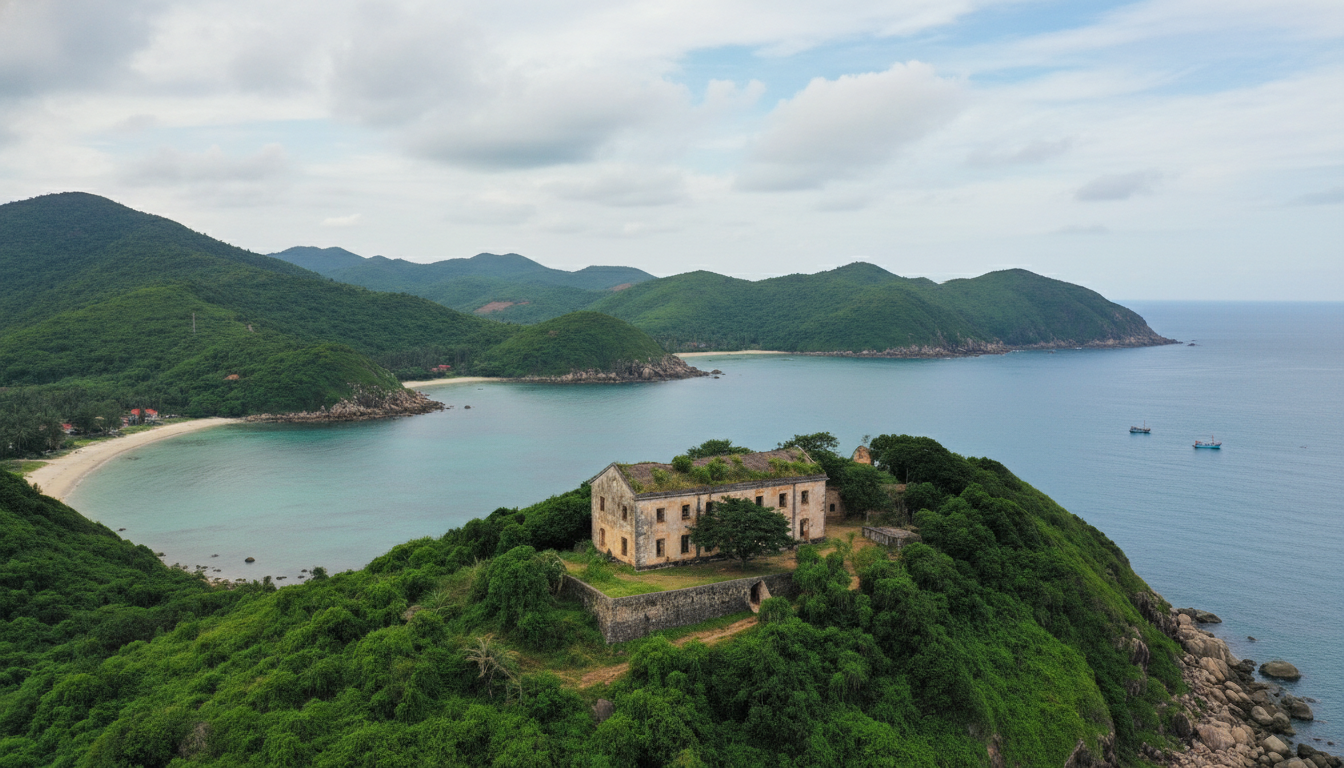
Exploring the Phu Hai Prison Complex
The Phu Hai Prison Complex stands as the oldest and largest of Con Dao's many detention facilities, its stone walls bearing silent witness to over a century of human suffering. Established by the French in 1862, it was the first prison built on the island and became a prototype for subsequent, equally brutal complexes. Stepping into Phu Hai is like stepping directly into a grim chapter of history, where every brick and every cell tells a story of despair and defiance.
The complex is characterized by its long, narrow cell blocks, often overcrowded with prisoners packed into dark, unsanitary conditions. Walking through these corridors, one can almost hear the echoes of forced labor, the cries of pain, and the hushed whispers of revolutionary plots. Exhibits within the prison detail the daily routines of torment, from meager rations to relentless torture.
Visitors can observe the various forms of confinement, including the collective cells where dozens of prisoners were held together, and the "solitary confinement" cells which offered no respite from physical or psychological abuse. Tools of torture, grimly displayed, serve as a stark reminder of the barbarity inflicted upon those deemed enemies of the state. These instruments, such as stocks, shackles, and various implements of corporal punishment, were designed not just to inflict pain, but to systematically break the human spirit.
Phu Hai's significance extends beyond its physical structures; it represents the resilience of the Vietnamese people. Despite the horrific conditions, prisoners organized, educated each other, and continued their struggle for independence, even within the confines of their cells. Their stories of solidarity and resistance are profoundly inspiring, offering a counter-narrative to the brutality of their captors.
During my visit, the sheer scale of the suffering became palpable. The cramped spaces and the recreated scenes of torture left a chilling impression, emphasizing the incredible strength required to endure such an existence. It's a place that compels you to remember, to honor the sacrifices made, and to reflect on the enduring human quest for freedom.
The Infamous French and American Tiger Cages
Perhaps the most notorious and horrifying elements of Con Dao's prison system are the infamous "Tiger Cages." These structures, designed for extreme cruelty, became a global symbol of human rights abuses. Originally constructed by the French, they were later expanded and continued to be used by the American-backed South Vietnamese regime, revealing a consistent pattern of inhumane treatment across different eras of conflict.
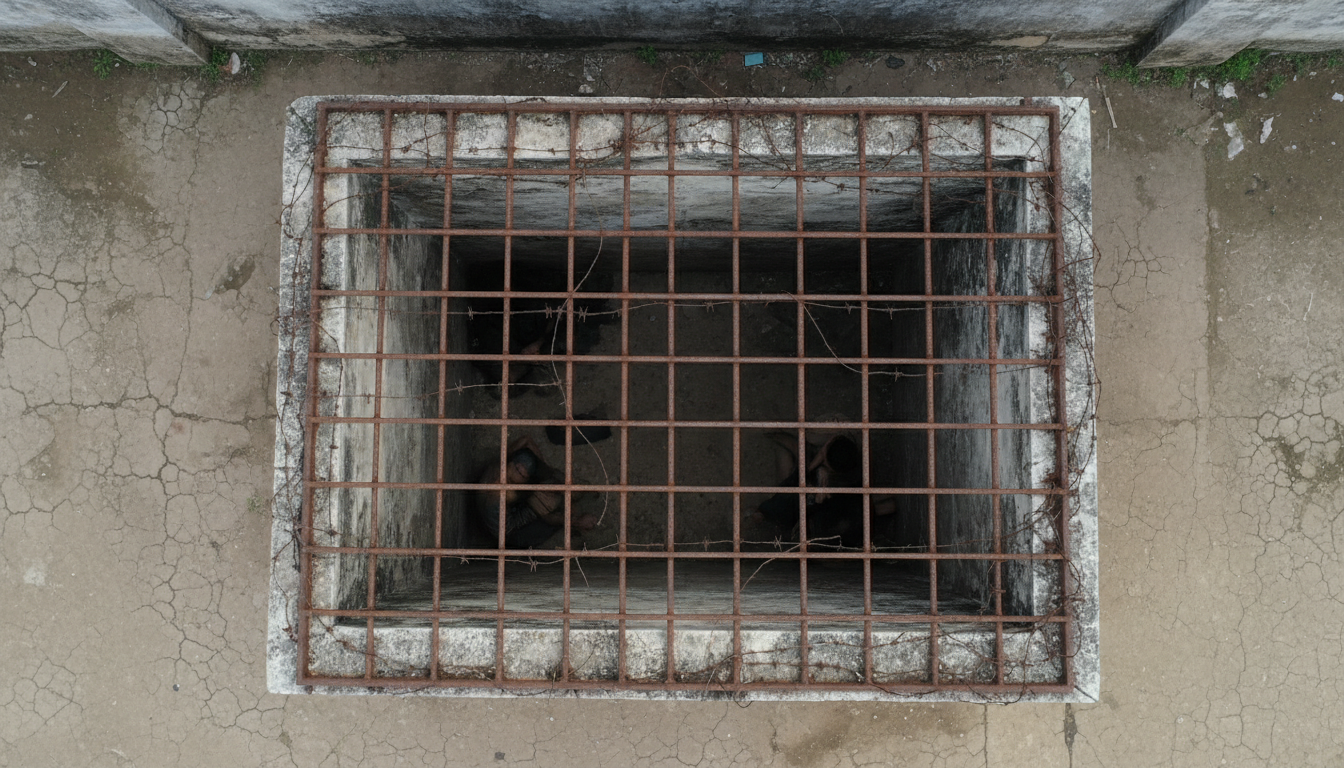
The Tiger Cages themselves are small, roofless concrete pits, typically measuring only about 1.5 meters wide and 3 meters long, and approximately 3 meters deep. Prisoners were confined in these cramped, stifling spaces, often dozens at a time, unable to stand upright or lie down comfortably. The cells were topped with iron bars and a wire mesh, allowing guards to easily monitor and torment those below.
The conditions within the Tiger Cages were truly appalling. Prisoners were subjected to constant exposure to the elements, baking under the scorching sun by day and shivering in the cold at night. Guards would routinely pour quicklime or dirty water down into the cages from above, causing severe burns and infections. Furthermore, prisoners were denied proper food, water, and medical care, leading to widespread disease and death. The psychological torture was equally devastating, with prisoners subjected to constant surveillance and the sounds of suffering from neighboring cages.
The existence of these "Tiger Cages" was largely unknown to the outside world until their exposure by American investigative journalist Don Luce in 1970. His shocking photographs and reports ignited international outrage, leading to calls for their closure and a deeper scrutiny of the treatment of prisoners of war and political detainees. This revelation significantly impacted public opinion regarding the Vietnam War and the human rights record of the South Vietnamese government.
Visiting the Tiger Cages was an experience that left me speechless. The sheer ingenuity of cruelty, juxtaposed with the small size of these enclosures, made the suffering almost tangible. It's a powerful reminder of humanity's capacity for both immense cruelty and extraordinary endurance. The silence within these cages today speaks volumes, echoing the cries of countless individuals who suffered within their confines.
Hang Duong Cemetery: Honoring Vo Thi Sau
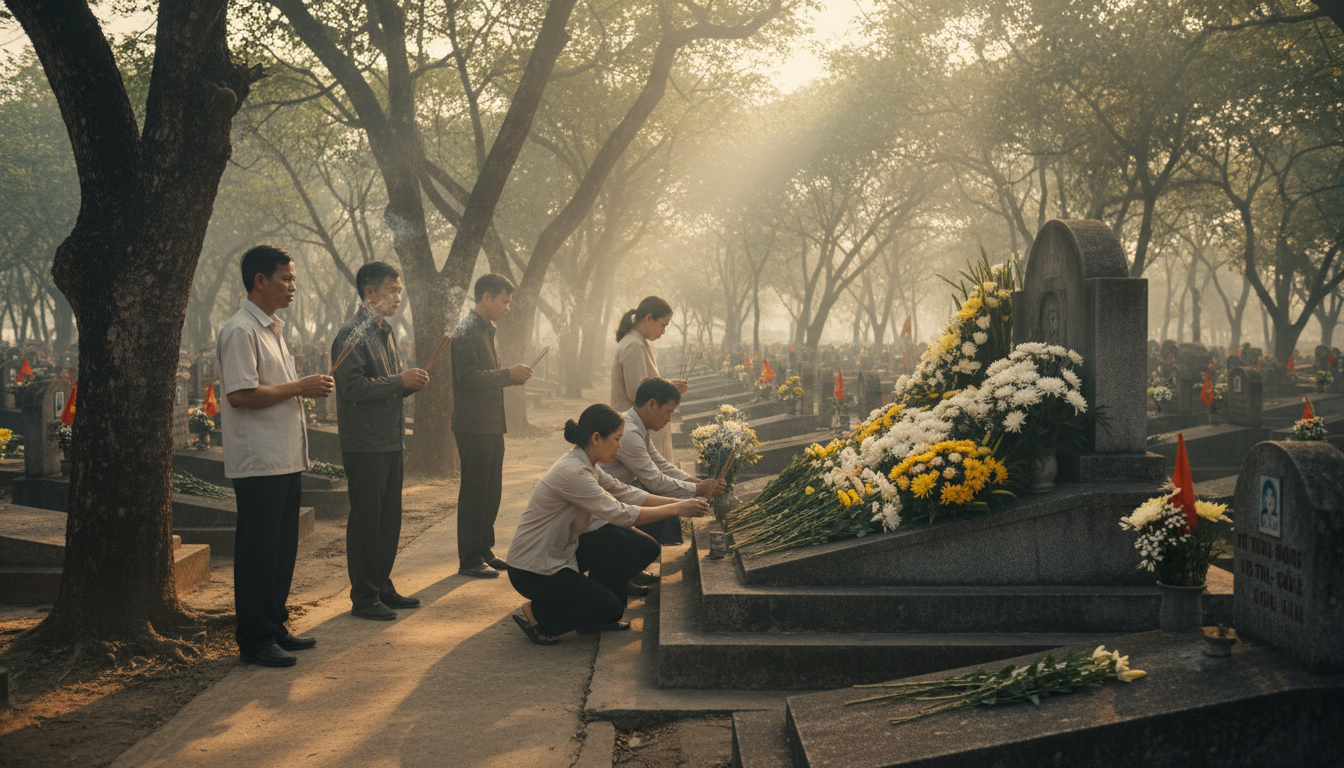
Beyond the oppressive walls of the prison complexes lies Hang Duong Cemetery, a site of profound historical and spiritual significance for the Vietnamese people. It is the final resting place for countless prisoners who perished on Con Dao, a silent testament to their suffering and ultimate sacrifice. For many, a visit to Con Dao is incomplete without paying respects at this solemn ground, which serves as a poignant reminder of the island's painful past and the indomitable spirit of those who fought for independence.
Among the thousands buried here, one grave stands out as a national pilgrimage site: that of Vo Thi Sau. Her story is one of immense courage and sacrifice, cementing her status as a revered national hero. Born in 1933, Vo Thi Sau was a young revolutionary who joined the Việt Minh resistance against the French colonialists at a tender age. She was arrested in 1950, tortured, and eventually executed by the French on Con Dao in 1952, at just 19 years old.
Vo Thi Sau's bravery in the face of death, her defiant spirit even during her execution, has been immortalized in Vietnamese folklore, songs, and literature. She is celebrated as a symbol of youthful patriotism and unwavering commitment to national liberation. Her grave at Hang Duong Cemetery is adorned with countless offerings of flowers, incense, and even cosmetics – a traditional Vietnamese tribute to a young woman whose life was cut short but whose legacy lives on.
Vietnamese people from all walks of life, particularly young women, undertake pilgrimages to her tomb, especially on certain auspicious days. They come to pray for good fortune, peace, and strength, believing that her spirit continues to inspire and protect. It's a powerful example of how history, culture, and spirituality intertwine in Vietnam, where national heroes are revered with an almost sacred devotion.
My own visit to Hang Duong Cemetery was a deeply moving experience. Witnessing the quiet reverence of the visitors, the vibrant array of offerings, and the palpable sense of respect for Vo Thi Sau and the other fallen heroes was truly humbling. It underscored the enduring power of memory and the profound cultural importance of honoring those who sacrificed everything for their country. It’s a place where the past isn't just remembered; it's actively honored and integrated into the present cultural fabric.
Con Dao Museum: A Comprehensive Historical Overview
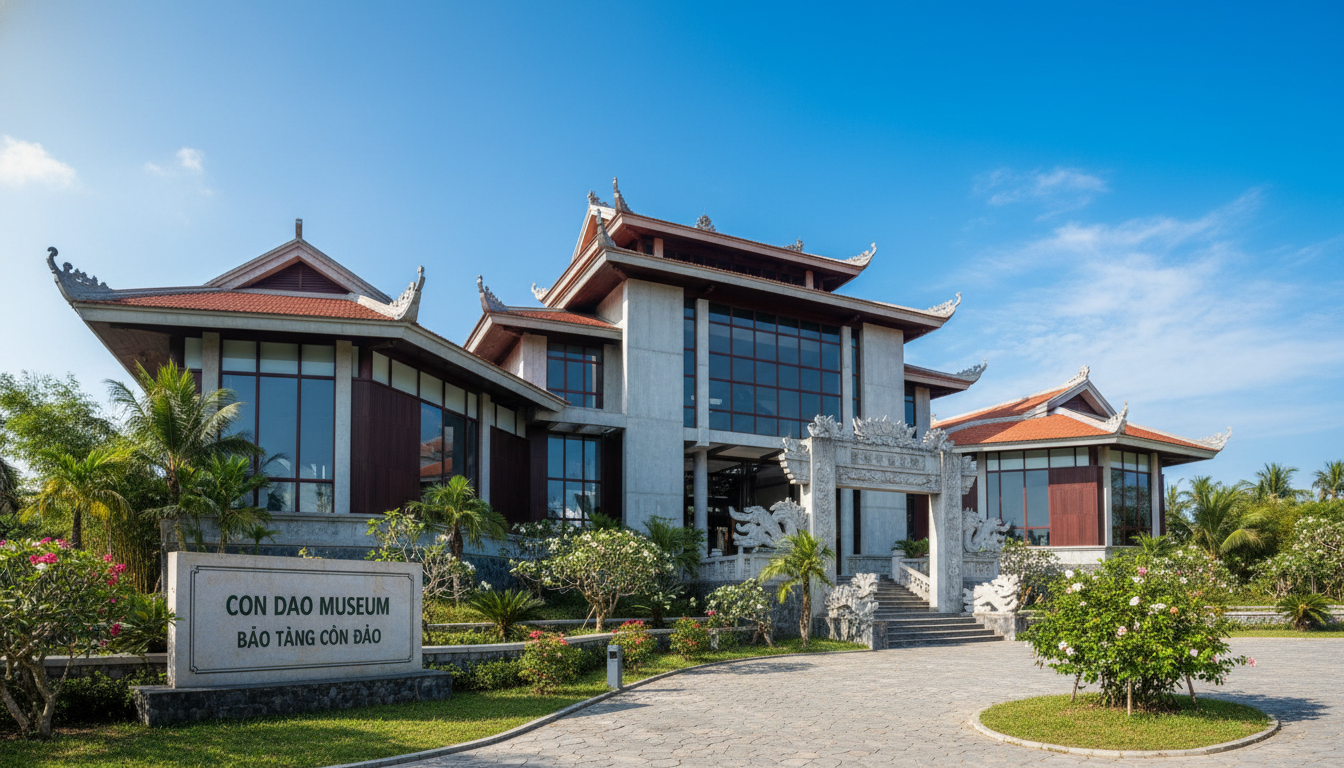
To truly grasp the intricate layers of Con Dao's history, a visit to the Con Dao Museum is indispensable. This modern facility serves as a crucial repository of artifacts, documents, and personal testimonies, offering a comprehensive overview of the island's multifaceted past. It skillfully contextualizes the grim prison history within the broader narrative of Vietnam's struggle for independence and reunification, making it an essential stop for any visitor seeking deeper understanding.
The museum's exhibits are thoughtfully curated, guiding visitors through different periods of Con Dao's existence. It begins by showcasing the island's natural beauty and its early history, including its strategic importance. From there, it delves into the establishment of the penal colony by the French, detailing the construction of the prisons and the initial waves of political prisoners. Photographs, maps, and original documents bring this era to life, illustrating the harsh realities faced by those incarcerated.
A significant portion of the museum is dedicated to the individual stories of prominent revolutionaries and patriots who were imprisoned on Con Dao. Personal effects, handwritten letters, and poignant biographies paint vivid portraits of their struggles, their unwavering spirit, and their contributions to the Vietnamese revolution. These personal narratives humanize the abstract concept of historical suffering, making the impact of the prisons profoundly more tangible.
The museum also meticulously documents the different torture methods used, showcasing recreated scenes and tools that were employed to break the prisoners' will. While confronting, these exhibits are presented with a clear educational purpose, ensuring that the atrocities of the past are neither forgotten nor repeated. Furthermore, the museum highlights the international efforts to expose the human rights abuses on Con Dao, particularly the revelation of the "Tiger Cages."
Beyond the prison history, the Con Dao Museum also touches upon the island's post-war development and its transformation into a protected national park and a burgeoning eco-tourism destination. It demonstrates the remarkable duality of Con Dao: a place of immense historical pain now embracing a future of natural preservation and cultural remembrance. For me, the museum provided the vital historical framework, connecting the dots between the physical sites I had visited and the broader historical narrative of Vietnam.
Conclusion: From Prison Island to Natural Paradise
Con Dao is a place that truly embodies the complex interplay of beauty, tragedy, and resilience. What was once a symbol of colonial oppression and war-time brutality, a desolate "hell on earth" where countless Vietnamese patriots suffered and died, has remarkably transformed into a breathtaking natural paradise. Its pristine beaches, vibrant coral reefs, and lush national park now attract visitors seeking tranquility and natural splendor. Yet, beneath this idyllic surface, the echoes of its profound history remain, forever woven into the fabric of the island.
The historic sites of Con Dao – from the chilling Phu Hai Prison Complex and the infamous Tiger Cages to the solemn Hang Duong Cemetery and the informative Con Dao Museum – serve as powerful reminders of the human cost of conflict and the unwavering spirit of those who fought for freedom. These South Vietnam historic sites are not merely relics of the past; they are living testaments to courage, endurance, and the enduring quest for human dignity. Visiting them is not just a tourist activity; it is a pilgrimage, an act of remembrance, and a profound learning experience.
For the culturally curious reader, particularly those with Vietnamese-Australian connections, Con Dao offers an unparalleled opportunity for meaningful engagement. It allows us to connect with a critical chapter of Vietnamese history, understand the deep sacrifices made, and appreciate the resilience that defines the nation. It’s a journey that fosters a deeper understanding of cultural heritage and the universal struggle for justice.
My own journey through Con Dao was a powerful reminder that true discovery often lies in confronting difficult truths alongside appreciating immense beauty. The island’s transformation stands as a beacon of hope, demonstrating that even places scarred by the darkest chapters of history can evolve, heal, and inspire. Con Dao invites us not only to bask in its natural glory but also to pause, reflect, and honor the indelible spirit of those who shaped its past. It truly is "Your journey to unforgettable cultural stories and inspiring connections. More Discovery, More Experience."
Article URL Slug
The slug is auto-generated from the article title but can be edited for better SEO.
Preview URL: mlifeon.com/generating-86
Slug Best Practices:
- • Use lowercase letters, numbers, and hyphens only
- • Keep it short and descriptive (3-5 words)
- • Include target keywords when relevant
- • Avoid special characters and spaces
Multi-Language Translations
Translate this article to Vietnamese and Chinese using AI
How Translation Works:
- • Uses Google Gemini AI for natural, fluent translations
- • Preserves all Markdown formatting and image links
- • Optimizes SEO metadata for each language
- • Creates separate translation records linked to this article
- • Translations are stored in the database (not just cached)
Export Article JSON
ℹ️ The JSON file will be downloaded to your computer. Each format has a different structure optimized for its platform.
Publish to MLifeOn
📋 Publishing Activity Log
| Timestamp | Platform | Status | Category | API Endpoint | Message | Details |
|---|---|---|---|---|---|---|
| 2026-01-14 06:20:25 | MLIFEON | ✅ Success | travel |
http://localhost:8000/api/v1/agent/posts/
|
Article published successfully to MLifeOn |
Publishing Log Details - 2026-01-14 06:20:25Platform & StatusPlatform MLIFEON Status SUCCESS HTTP Status 201 Category travel API Endpointhttp://localhost:8000/api/v1/agent/posts/
MessageArticle published successfully to MLifeOn Full Response Data{'data': {'id': '7a7267c2-a8a6-44a5-9eec-9c0a5fb9e011', 'url': 'https://mlifeon.com/articles/echoes-of-resilience-unveiling-con-daos-profound-prison-history', 'slug': 'echoes-of-resilience-unveiling-con-daos-profound-prison-history', 'title': "Echoes of Resilience: Unveiling Con Dao's Profound Prison History", 'status': 'draft', 'created_at': '2026-01-14T06:20:23.339507+00:00', 'updated_at': '2026-01-14T06:20:23.339522+00:00', 'translations': {'en': "Echoes of Resilience: Unveiling Con Dao's Profound Prison History", 'vi': 'Vang vọng kiên cường: Vén màn lịch sử lao tù thâm sâu Côn Đảo'}, 'dashboard_url': 'https://backend-v2.mlifeon.com/dashboard/posts/7a7267c2-a8a6-44a5-9eec-9c0a5fb9e011/edit/'}, 'message': 'Bilingual article created successfully as draft', 'success': True}
|