Adelaide Botanic Garden: A Verdant Jewel Among Adelaide's Famous Landmarks
Adelaide, a city often celebrated for its vibrant arts scene, exquisite culinary landscape, and historic architecture, holds a secret whispered amongst its bustling streets: a magnificent green lung t...
Adelaide, a city often celebrated for its vibrant arts scene, exquisite culinary landscape, and historic architecture, holds a secret whispered amongst its bustling streets: a magnificent green lung that breathes life into its very core. The Adelaide Botanic Garden, a verdant sanctuary nestled on the eastern fringe of the city's central business district, stands as a testament to both natural beauty and human ingenuity. For those of us at MLifeOn, constantly seeking stories of cultural exchange and personal discovery, this garden offers an immersive journey into the world of botany, history, and tranquil reflection, solidifying its status as one of Adelaide's most cherished and famous landmarks.
My first encounter with the Adelaide Botanic Garden felt like stepping through a portal. One moment, I was navigating the urban rhythm of North Terrace, and the next, I was enveloped by a symphony of rustling leaves, chirping birds, and the earthy scent of ancient trees. It’s a place that instantly invites you to slow down, to breathe deeply, and to reconnect with the natural world, a sensation I find invaluable in all my travels. This garden isn't merely a collection of plants; it is a living museum, a research hub, and a beloved community space, embodying the very essence of "More Discovery, More Experience."
An Oasis in the CBD
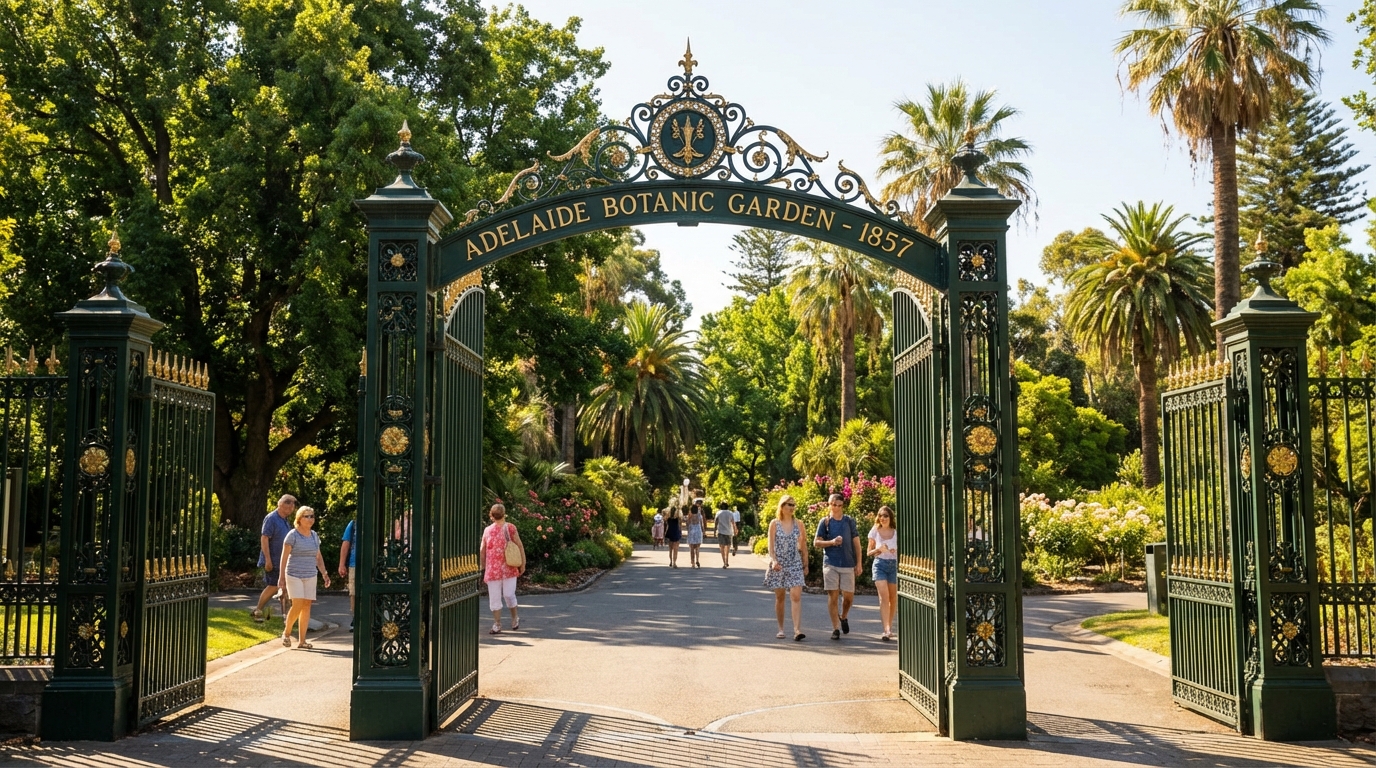
The Adelaide Botanic Garden, established in 1857, occupies 51 hectares of meticulously curated landscapes and wilder, untamed beauty. Its strategic location, just a short stroll from the heart of Adelaide, makes it an accessible escape for both residents and visitors alike. From its grand entrance gates, reminiscent of European parkland design, to its meandering pathways that invite endless exploration, the garden offers a welcome respite from urban life.
Walking through its expansive grounds, one immediately senses the thoughtful planning that went into its creation, a blend of formal Victorian garden aesthetics and contemporary ecological design. I remember one particularly warm afternoon, seeking solace under the enormous canopy of a Moreton Bay fig tree, its roots forming intricate patterns across the ground. It struck me then how these trees, some over a century old, have witnessed generations of stories unfold beneath their branches, silently connecting the city's past with its present.
The garden serves as a vital green lung for Adelaide, contributing significantly to the city's air quality and biodiversity. Its diverse plant collections, sourced from various climates around the world, demonstrate a global tapestry of botanical life right here in South Australia. This commitment to showcasing global flora resonates deeply with MLifeOn's mission to explore diverse cultures and traditions, viewing each plant as a story from another land. It reminds me of the serene temple gardens in Vietnam, where every plant has a purpose and contributes to a harmonious whole.
Beyond its aesthetic appeal, the garden acts as a living classroom, inspiring curiosity about the natural world in visitors of all ages. Children marvel at the sheer scale of some plants, while adults find inspiration in the sustainable practices on display. This educational aspect elevates the garden beyond mere beauty, transforming it into a space for profound learning and appreciation, truly embodying discovery.
The Bicentennial Conservatory and Palm House
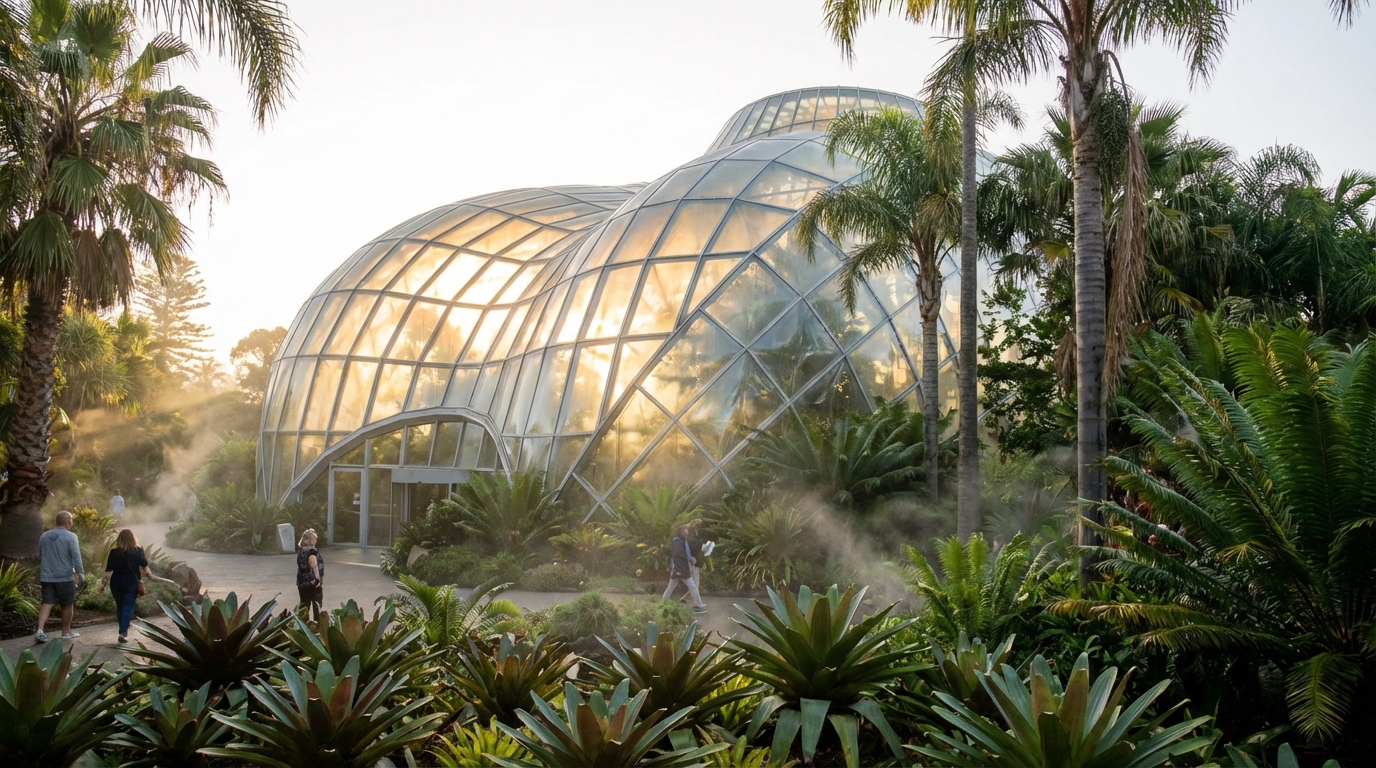
Within the expansive embrace of the Adelaide Botanic Garden lie architectural marvels that house some of its most extraordinary botanical treasures: the Bicentennial Conservatory and the Palm House. These structures are not just greenhouses; they are iconic landmarks in their own right, each telling a unique story of design, climate, and plant life. Stepping into them is an experience akin to entering another world, a sensation I find utterly captivating.
The Bicentennial Conservatory, a striking example of modern glasshouse architecture, immediately captures attention with its futuristic, organic form. Designed by local architect Guy Maron and opened in 1989 to commemorate Australia's bicentenary, it stands as the largest single-span conservatory in the Southern Hemisphere. Its intricate steel framework and curved glass panels create a magnificent space, soaring to 50 metres in length and 27 metres in height, a true engineering feat.
Inside, the conservatory transports you to the steamy, vibrant rainforests of northern Australia, Papua New Guinea, Indonesia, and the Pacific Islands. The air is thick with humidity, the scent of damp earth and exotic blossoms fills your senses, and the sounds of dripping water and distant bird calls create an immersive atmosphere. I remember pausing by a towering palm, its fronds reaching towards the glass roof, feeling a profound connection to these ancient ecosystems, so far removed from Adelaide's Mediterranean climate. This structure is a vital sanctuary for endangered rainforest plants, playing a critical role in conservation efforts. Its ability to recreate a tropical environment for these delicate species is a testament to human innovation in preserving natural heritage.
Just a short walk away, the Palm House offers a stark yet equally beautiful contrast. This exquisite Victorian-era glasshouse, imported from Bremen, Germany, in 1875, is a testament to the elegance and engineering prowess of the 19th century. Its delicate cast iron frame and curvilinear glass panes evoke a sense of timeless charm and historical grandeur. It's one of the few remaining structures of its kind globally, making it a particularly significant piece of Adelaide's heritage.
Inside the Palm House, the atmosphere shifts to that of a Madagascan lowland rainforest, a unique biogeographical region rich in endemic species. The plants here are often smaller, more delicate, and incredibly rare, many found nowhere else on Earth. The filtered light through the ornate glass casts beautiful shadows, highlighting the intricate details of each leaf and flower. Visiting it feels like stepping back in time, a quiet reverence for both the botanical specimens and the architectural artistry that protects them. For me, it's a poignant reminder of the interconnectedness of global ecosystems and the importance of preserving these living treasures, much like how ancient traditions and crafts are preserved within cultures.
These two conservatories, though distinct in their design and the ecosystems they represent, collectively highlight the Adelaide Botanic Garden's dedication to both botanical diversity and architectural heritage. They are living laboratories, beautiful exhibition spaces, and powerful symbols of Adelaide's commitment to nature and culture. No visit to the garden, or indeed to Adelaide itself, would be complete without experiencing the unique microclimates and breathtaking beauty held within these glass sanctuaries.
The First Creek Wetland and Sustainable Gardens
Beyond the dramatic conservatories, the Adelaide Botanic Garden extends its commitment to environmental stewardship and education through innovative features like the First Creek Wetland and a variety of sustainable garden displays. These areas demonstrate not only the beauty of native and adapted plants but also practical approaches to water management and ecological design, principles that are increasingly vital in our contemporary world. As a writer for MLifeOn, I am always drawn to stories of how communities integrate nature and sustainability into their daily lives, and this garden offers a compelling narrative.
The First Creek Wetland is a remarkable example of urban ecological engineering. Completed in 2000, this constructed wetland plays a crucial role in treating stormwater from the surrounding suburbs before it reaches the River Torrens. It’s a beautifully designed system where a series of ponds, planted with specific aquatic vegetation, naturally filter pollutants and sediment, improving water quality. Walking along its boardwalks, I often find myself observing dragonflies darting over the water and various bird species foraging amongst the reeds, a clear indication of a healthy, thriving ecosystem.
This wetland isn't just functional; it's also incredibly aesthetically pleasing and biologically diverse. It provides a habitat for a wide array of native wildlife, from frogs and turtles to numerous bird species, bringing a lively, natural dynamic to the garden. It stands as a powerful educational tool, demonstrating how cities can integrate natural processes to manage resources effectively and enhance biodiversity. For anyone interested in sustainable living and environmental solutions, the First Creek Wetland offers tangible insights and inspiration, proving that functionality and beauty can coexist harmoniously.
Adjacent to and throughout the garden, various sustainable garden displays showcase water-wise gardening techniques and drought-tolerant plant species. These areas highlight plants that thrive in Adelaide's Mediterranean climate, offering practical ideas for home gardeners looking to reduce their water consumption and create resilient landscapes. I've spent time examining the various mulching techniques, the use of native grasses, and the clever placement of shade-providing trees, all designed to minimise environmental impact while maximising beauty.
One particular section, dedicated to edible plants and urban agriculture, always draws my attention. It features vegetable patches, herb gardens, and fruit trees, illustrating the potential for local food production even within urban settings. This focus on food, from cultivation to consumption, aligns perfectly with MLifeOn's exploration of cuisine as the soul of every destination. It reminds us that food isn't just about what's on the plate, but also about the earth it comes from and the sustainable practices that nurture it. These sustainable gardens are more than just pretty displays; they are living laboratories and educational platforms, inspiring a deeper connection to the environment and encouraging responsible living. They serve as a powerful reminder that our relationship with nature can be one of mutual benefit, a principle revered in many traditional cultures.
Photography Tips for Adelaide’s Natural Beauty
For any avid photographer or even the casual smartphone snapper, the Adelaide Botanic Garden is an absolute dream. Its diverse landscapes, architectural wonders, and ever-changing botanical displays offer an endless array of subjects, making it a prime location to capture Adelaide's natural beauty. Having spent countless hours wandering through its paths with my camera, I've gathered a few insights that might help you immortalise your own experience.
Firstly, embrace the light. The quality of light dramatically transforms the garden's appearance throughout the day. Early mornings offer soft, diffused light, perfect for capturing delicate dew-kissed flowers and creating ethereal effects within the conservatories. Late afternoons, especially during the 'golden hour' before sunset, bathe the entire garden in a warm, rich glow, ideal for sweeping landscape shots or dramatic silhouettes against the sky. The Palm House, with its intricate glass and ironwork, becomes particularly magical as the sun filters through its panes, casting captivating patterns.
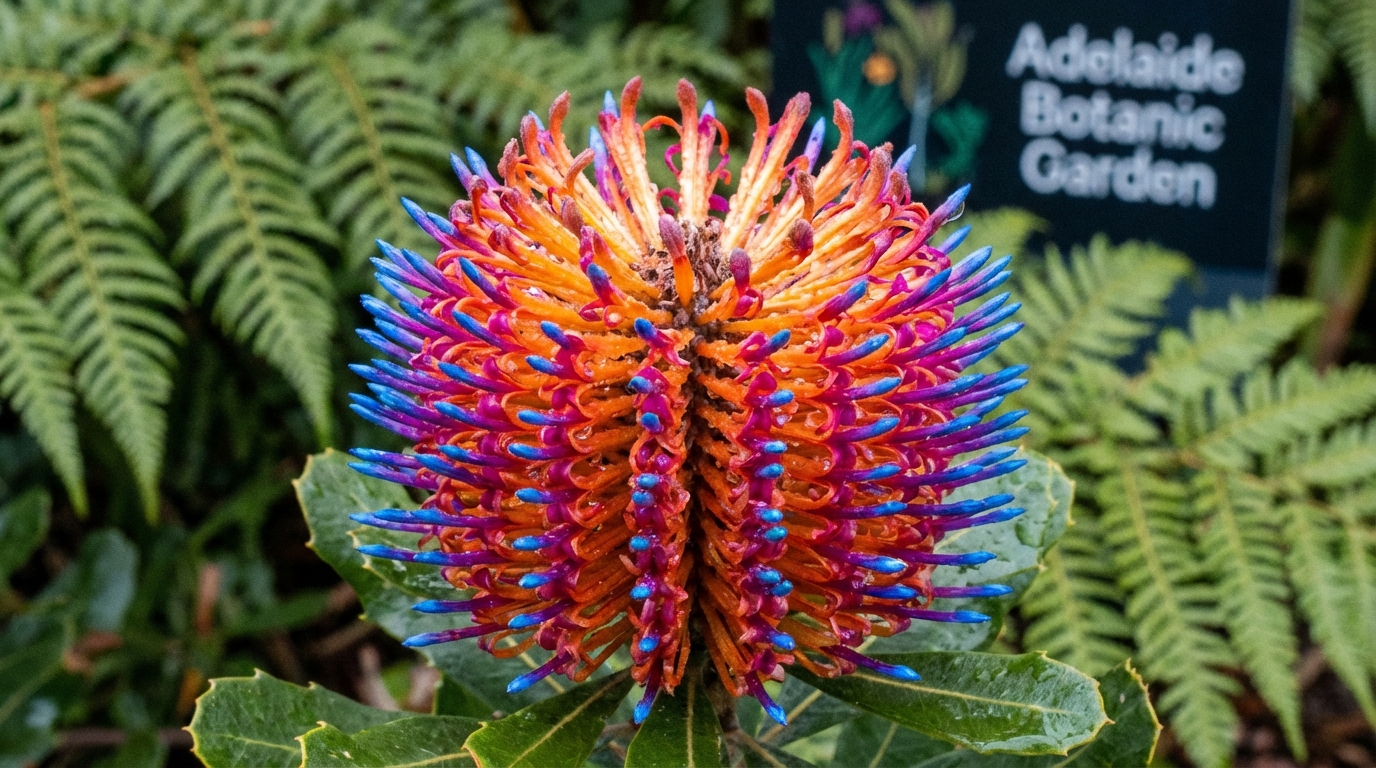
Secondly, focus on details. While the grand vistas are impressive, some of the garden's most captivating beauty lies in its smaller elements. Look for the intricate patterns on a leaf, the delicate texture of a flower petal, or the vibrant hues of a butterfly resting on a bloom. Macro photography or simply getting closer with your lens can reveal a hidden world of detail. Don't forget to look down at the ground; the roots of ancient trees or the intricate paving patterns can offer unexpected visual interest.
Thirdly, explore different perspectives. Don't be afraid to get low to the ground to capture the towering scale of a tree or a conservatory, or find elevated spots to gain a broader view of a garden bed. Experiment with leading lines formed by pathways or rows of trees to guide the viewer's eye through your composition. The reflection pools and water features also offer fantastic opportunities for unique angles and mirror-like images, adding depth and intrigue to your shots.
Fourthly, capture the human element subtly. While the garden's primary focus is nature, people interacting with the space can add a sense of scale, emotion, and life to your photographs. A child peering into a pond, a couple strolling hand-in-hand, or someone quietly reading on a bench can tell a powerful story about the garden's role as a community space. Just remember to be respectful of people's privacy and capture candid moments rather than intrusive posed shots.
Finally, don't rush and revisit. The Adelaide Botanic Garden is a place that reveals new beauty with each season and every visit. What might be a bare tree in winter could be a riot of blossoms in spring. The light changes, the plants grow, and your own perspective evolves. Take your time, absorb the atmosphere, and allow your photographic eye to discover the endless possibilities. Returning at different times of the year allows you to build a comprehensive visual narrative of this dynamic landmark, truly capturing its essence.
Seasonal Events and the Moonlight Cinema
The Adelaide Botanic Garden is far more than just a static collection of plants; it's a dynamic cultural hub, constantly evolving with the seasons and hosting a vibrant array of events that draw the community together. This lively calendar of activities transforms the garden into a living, breathing part of Adelaide's social fabric, reflecting MLifeOn's interest in how people create meaning and connection within their communities. It’s here that the garden truly becomes a place of shared experiences and collective joy.
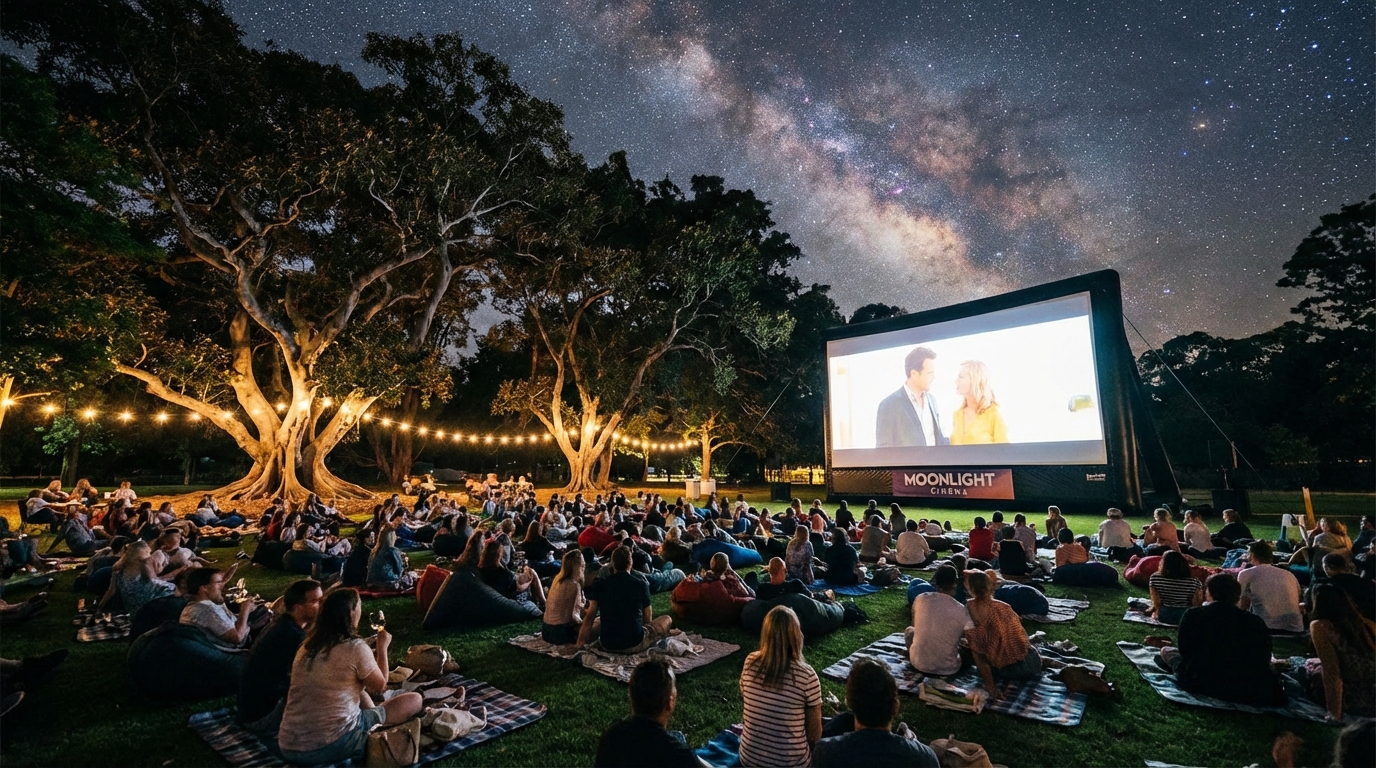
One of the most beloved traditions, particularly during Adelaide's long, warm summer evenings, is the Moonlight Cinema. Imagine settling down on a picnic blanket under a canopy of stars, surrounded by ancient trees, as a classic or contemporary film plays on a large outdoor screen. It's an utterly magical experience that combines the charm of outdoor cinema with the unparalleled ambiance of the botanic garden. I’ve personally enjoyed several evenings there, sharing snacks with friends, feeling the gentle breeze, and watching stories unfold against the backdrop of the illuminated garden. It’s a perfect example of how public spaces can be repurposed for unique cultural enjoyment, creating unforgettable memories for families and friends.
Beyond the cinematic allure, the garden's event calendar is rich with educational workshops and cultural festivals throughout the year. Spring often brings spectacular flower shows and guided walks focusing on new blooms and burgeoning wildlife. These events offer deep dives into horticulture, gardening techniques, and the ecological importance of various plant species, appealing to both seasoned gardeners and curious novices. They provide a fantastic opportunity to learn directly from the garden's expert staff and volunteers, gaining insights that enhance appreciation for its botanical diversity.
Autumn ushers in events celebrating the changing colours of the deciduous trees, with special tours highlighting the fiery reds, oranges, and golds that transform certain sections of the garden. Throughout the year, there are often art installations, sculpture exhibitions, and live music performances seamlessly integrated into the landscape, proving that art and nature can beautifully intertwine. These cultural offerings contribute significantly to the garden's reputation as a multifaceted landmark, appealing to a broad spectrum of interests beyond pure botany.
The garden also plays host to various community-focused events, from wellness programs like yoga and tai chi sessions amidst the greenery, to children's educational activities and storytelling under ancient trees. These initiatives underscore the garden's role as a vital community space, fostering well-being, learning, and social connection. It’s a place where diverse cultures and age groups can come together to appreciate nature and engage in shared experiences, much like the communal gatherings and celebrations found in Vietnamese culture.
These seasonal events and cultural offerings ensure that the Adelaide Botanic Garden remains a dynamic and engaging destination, continually offering new reasons to visit and explore. They transform a beautiful collection of plants into a vibrant, living space that nurtures both nature and community spirit, making it an indispensable part of Adelaide's cultural landscape and a truly unforgettable landmark.
Conclusion
The Adelaide Botanic Garden, more than just a collection of plants, is a profound testament to the enduring power of nature, culture, and human ingenuity. It stands proudly as one of Adelaide's most celebrated and famous landmarks, offering an experience that transcends mere sightseeing. From the tranquil beauty of its meticulously manicured lawns and ancient trees to the architectural marvels of its conservatories and the innovative sustainability of its wetlands, the garden invites visitors on a journey of discovery and connection.
For me, and for the spirit of MLifeOn, the garden is a living story. It speaks of history through its Victorian-era structures, of global diversity through its varied plant collections, and of the future through its commitment to conservation and sustainable practices. Each pathway explored, each plant observed, and each event attended enriches one's understanding of both the natural world and the vibrant community that cherishes this verdant oasis. It’s a place where the senses are awakened, curiosity is sparked, and a deep sense of peace can be found amidst the urban bustle.
Whether you are a seasoned botanist, a keen photographer, a family seeking a peaceful outing, or simply a culturally curious traveler like myself, the Adelaide Botanic Garden offers something truly special. It encapsulates the essence of "More Discovery, More Experience," providing a rich tapestry of sights, sounds, and stories waiting to be uncovered. So, on your next journey to Adelaide, allow yourself the pleasure of wandering through this magnificent green jewel. You will not only witness one of the city's famous landmarks but also embark on a personal journey of inspiration and connection, much like the diverse cultural narratives we strive to share at MLifeOn.
Article URL Slug
The slug is auto-generated from the article title but can be edited for better SEO.
Preview URL: mlifeon.com/generating-22
Slug Best Practices:
- • Use lowercase letters, numbers, and hyphens only
- • Keep it short and descriptive (3-5 words)
- • Include target keywords when relevant
- • Avoid special characters and spaces
Multi-Language Translations
Translate this article to Vietnamese and Chinese using AI
How Translation Works:
- • Uses Google Gemini AI for natural, fluent translations
- • Preserves all Markdown formatting and image links
- • Optimizes SEO metadata for each language
- • Creates separate translation records linked to this article
- • Translations are stored in the database (not just cached)
Export Article JSON
ℹ️ The JSON file will be downloaded to your computer. Each format has a different structure optimized for its platform.
Publish to MLifeOn
📋 Publishing Activity Log
| Timestamp | Platform | Status | Category | API Endpoint | Message | Details |
|---|---|---|---|---|---|---|
| 2026-01-13 13:08:05 | MLIFEON | ✅ Success | travel |
http://localhost:8000/api/v1/agent/posts/
|
Article published successfully to MLifeOn |
Publishing Log Details - 2026-01-13 13:08:05Platform & StatusPlatform MLIFEON Status SUCCESS HTTP Status 201 Category travel API Endpointhttp://localhost:8000/api/v1/agent/posts/
MessageArticle published successfully to MLifeOn Full Response Data{'data': {'id': '024042f0-5fd7-40a6-8bf7-d62954481789', 'url': 'https://mlifeon.com/articles/adelaide-botanic-garden-a-verdant-jewel-among-adelaides-famous-landmarks', 'slug': 'adelaide-botanic-garden-a-verdant-jewel-among-adelaides-famous-landmarks', 'title': "Adelaide Botanic Garden: A Verdant Jewel Among Adelaide's Famous Landmarks", 'status': 'draft', 'created_at': '2026-01-13T13:08:02.168581+00:00', 'updated_at': '2026-01-13T13:08:02.168596+00:00', 'translations': {'en': "Adelaide Botanic Garden: A Verdant Jewel Among Adelaide's Famous Landmarks", 'vi': 'Vườn Bách thảo Adelaide: Viên ngọc xanh mướt giữa những biểu tượng nổi tiếng của Adelaide'}, 'dashboard_url': 'https://backend-v2.mlifeon.com/dashboard/posts/024042f0-5fd7-40a6-8bf7-d62954481789/edit/'}, 'message': 'Bilingual article created successfully as draft', 'success': True}
|